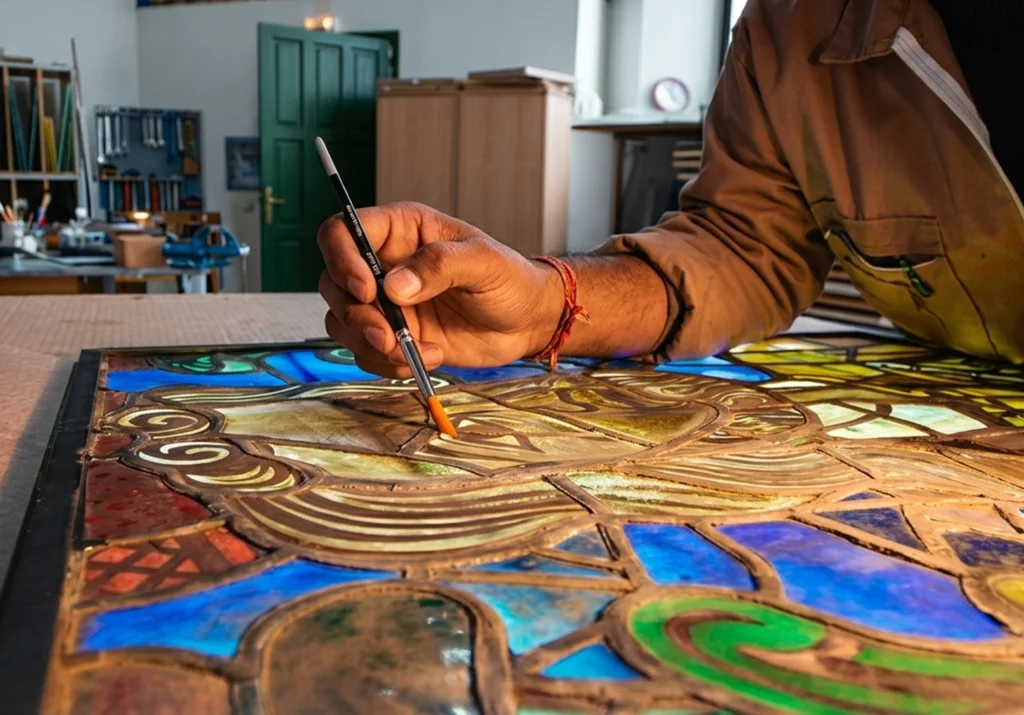
Stained Glass Conservation – Highness Park Padmanabhapuram
Historic stained glass combines colour, craftsmanship, structure, and artistic detail, making its conservation both delicate and specialised. At Highness Park in Thuckalay, participants can explore stained glass conservation through guided learning focused on condition assessment, surface care, safe cleaning, stabilisation, leadwork, colour protection, and preventive conservation. These stained glass conservation sessions at Highness Park are suitable for students, artists, architects, researchers, conservation professionals, and heritage enthusiasts interested in understanding how decorative glass can be carefully studied, protected, and preserved.

Distance

IN TWO WHEELER

IN CAR
Historic stained glass can deteriorate through moisture, dust, pollution, temperature changes, weakened leadwork, cracks, broken glass, and previous repairs. Over time, these factors may affect the surface, colour, structural stability, and overall appearance of decorative glass panels, making careful observation essential before conservation begins.
At Highness Park, participants can learn how environmental conditions, ageing materials, structural movement, and handling influence stained glass. Understanding these causes helps learners recognise early signs of deterioration and appreciate why condition assessment, preventive care, material compatibility, and timely conservation are important for protecting historic stained glass and decorative heritage features.
Stained Glass Conservation – Highness Park Padmanabhapuram
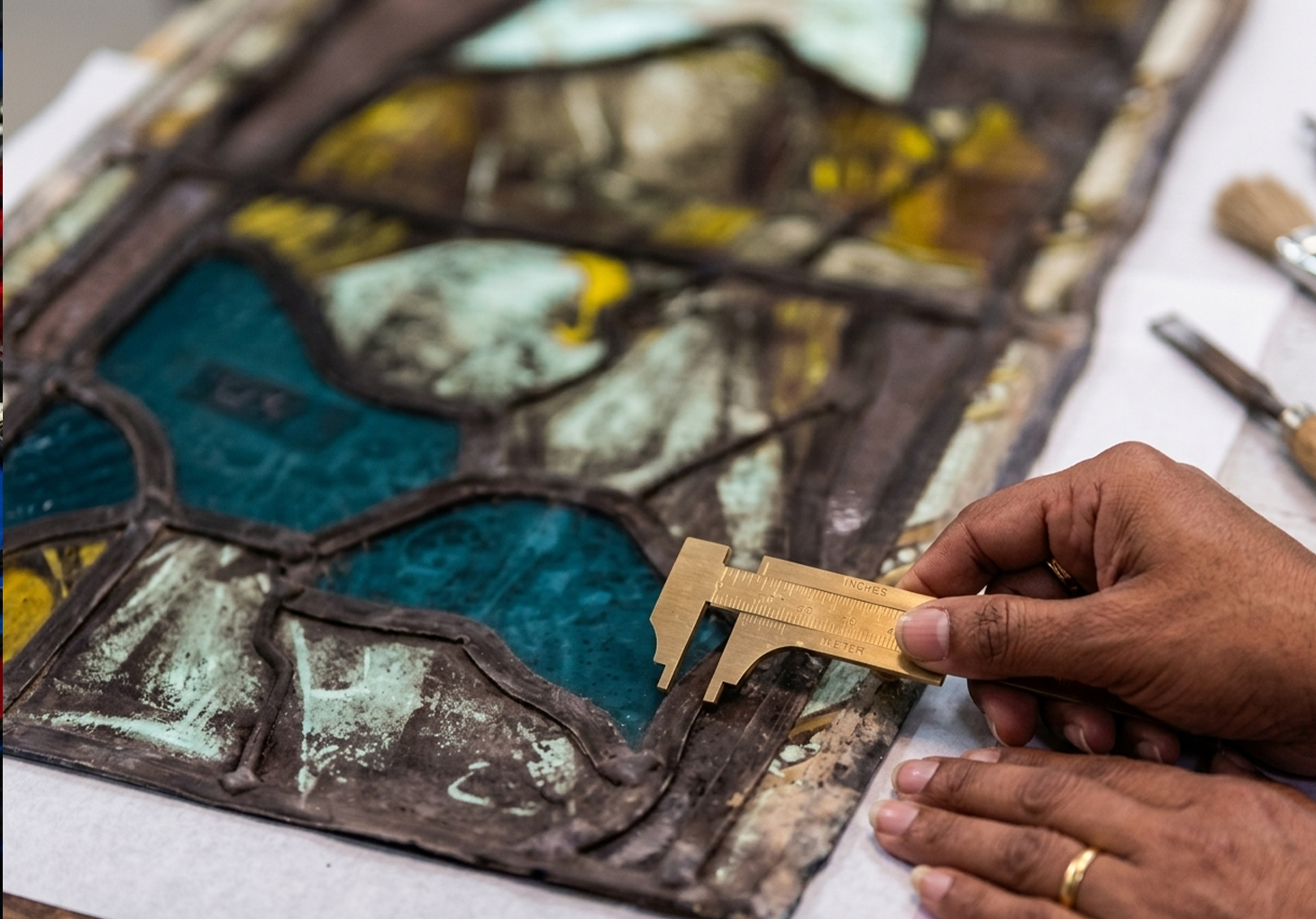
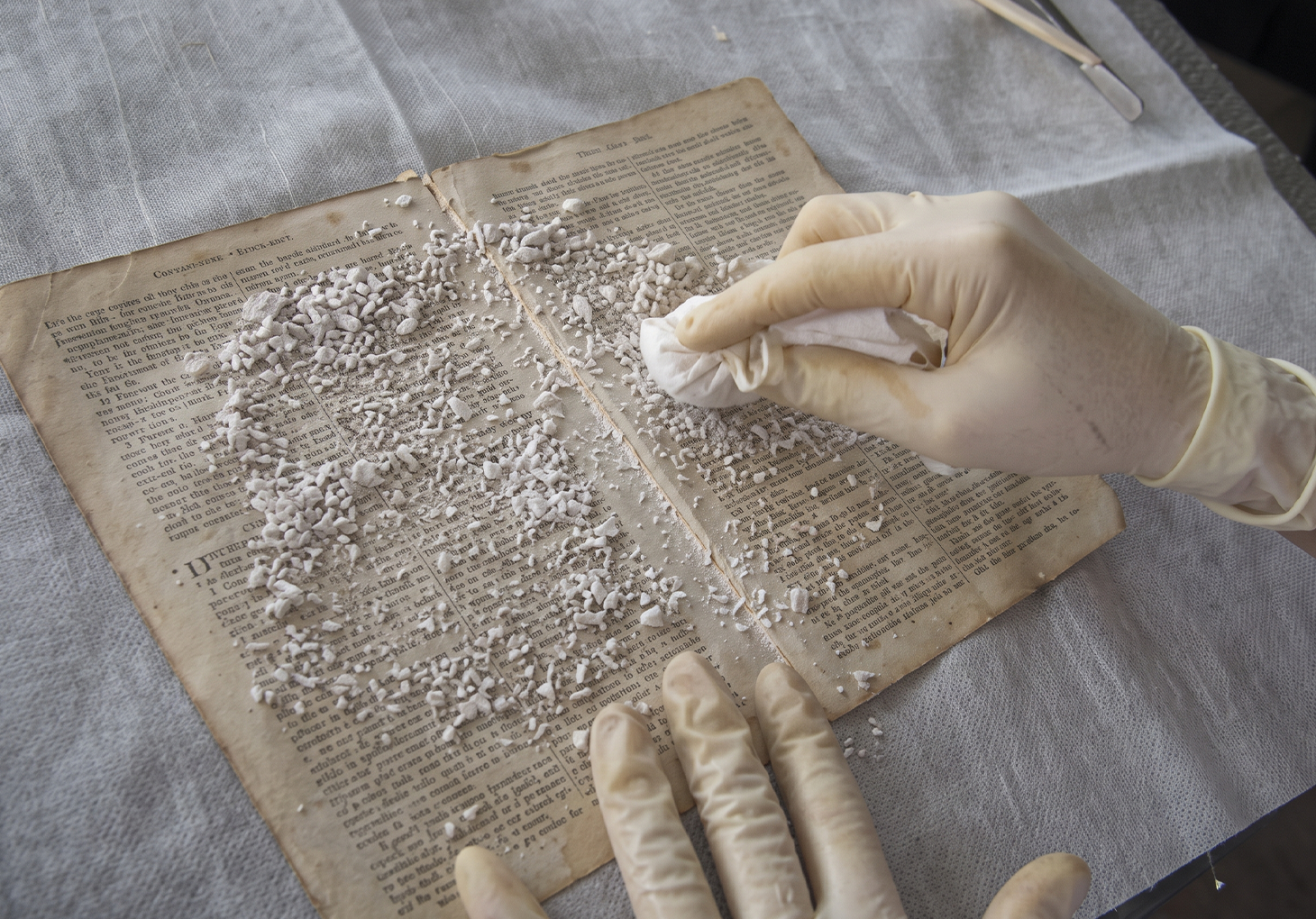
Before conservation begins, stained glass must be carefully examined to identify cracks, surface deposits, weakened leadwork, loose sections, colour changes, and previous repairs. At Highness Park, participants can learn how condition assessment, documentation, gentle cleaning, structural support, and stabilisation are approached with care. Through guided practical exposure, learners can understand why each intervention must respect the original glass, painted details, lead framework, and historic character, helping protect both the visual beauty and structural integrity of stained glass while reducing the risk of further deterioration.
The long-term preservation of stained glass depends on understanding the relationship between glass, painted detail, leadwork, colour, and structural support. At Highness Park, participants can explore how these elements respond to age, moisture, movement, surface deposits, and environmental conditions, and why each requires careful assessment during conservation.
The sessions also introduce preventive conservation methods that help reduce future deterioration through regular inspection, appropriate cleaning, moisture control, safe handling, and structural monitoring. Through guided observation and practical learning, participants can better understand how thoughtful care helps protect the colour, craftsmanship, stability, and historic character of stained glass.
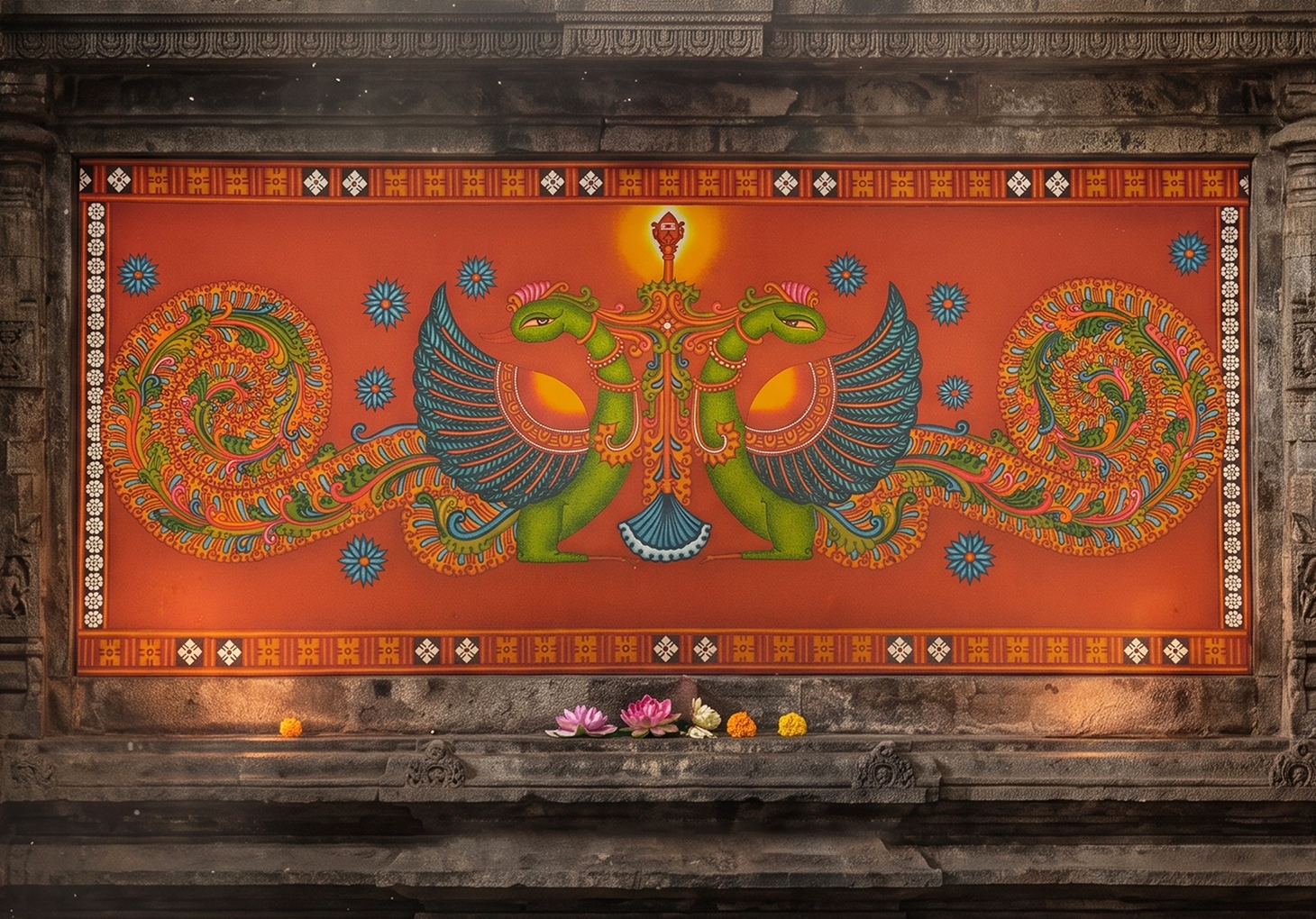
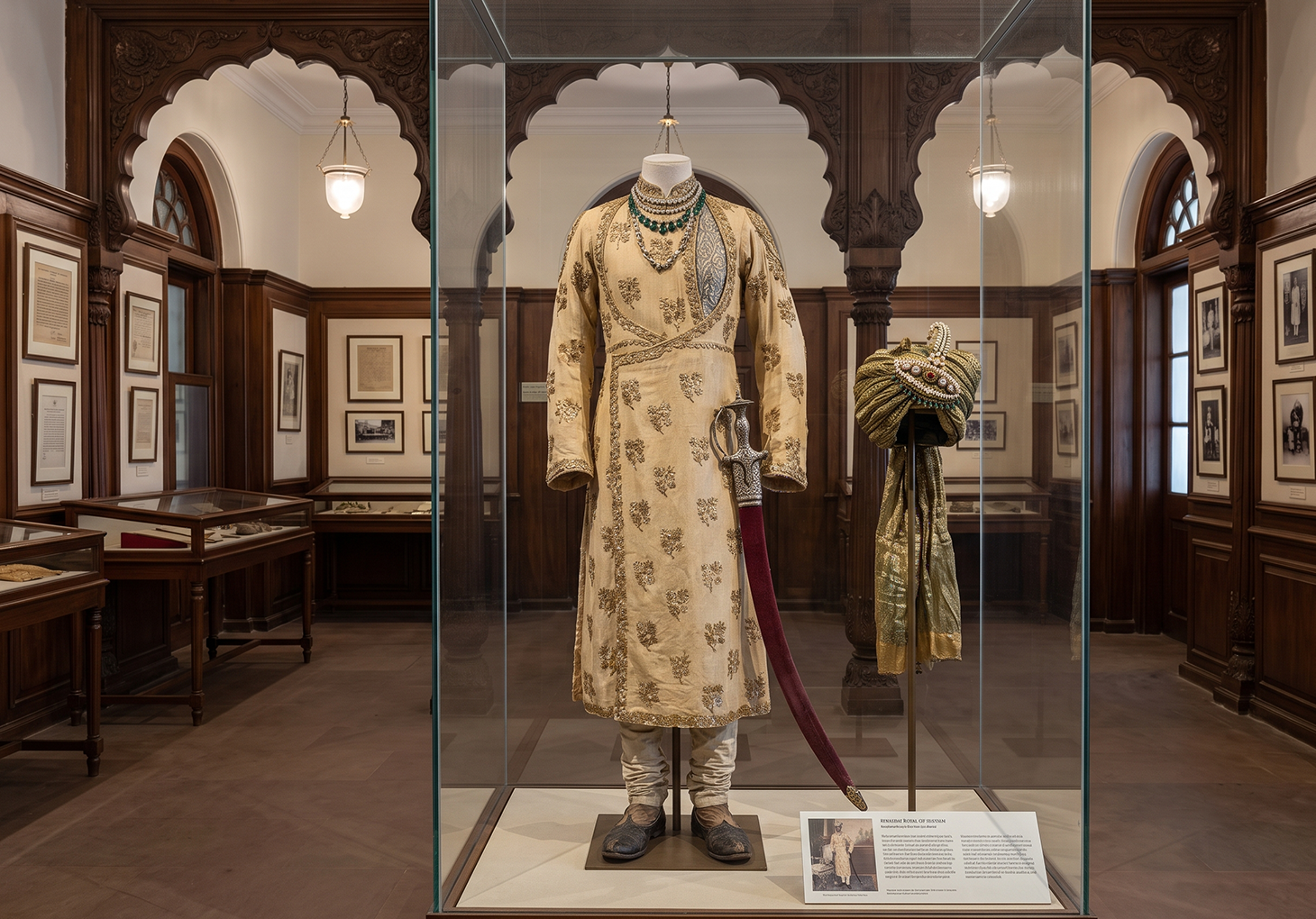
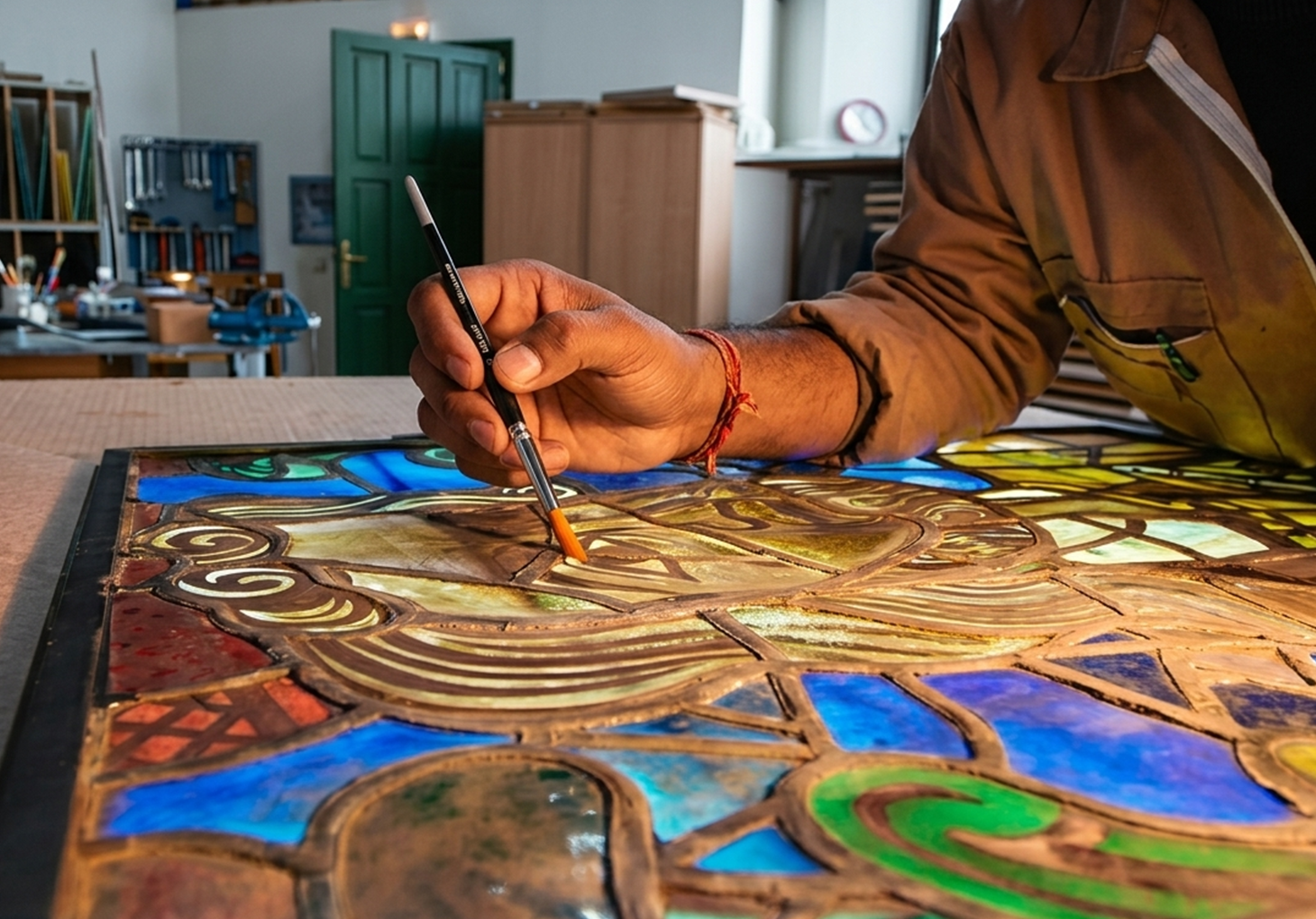


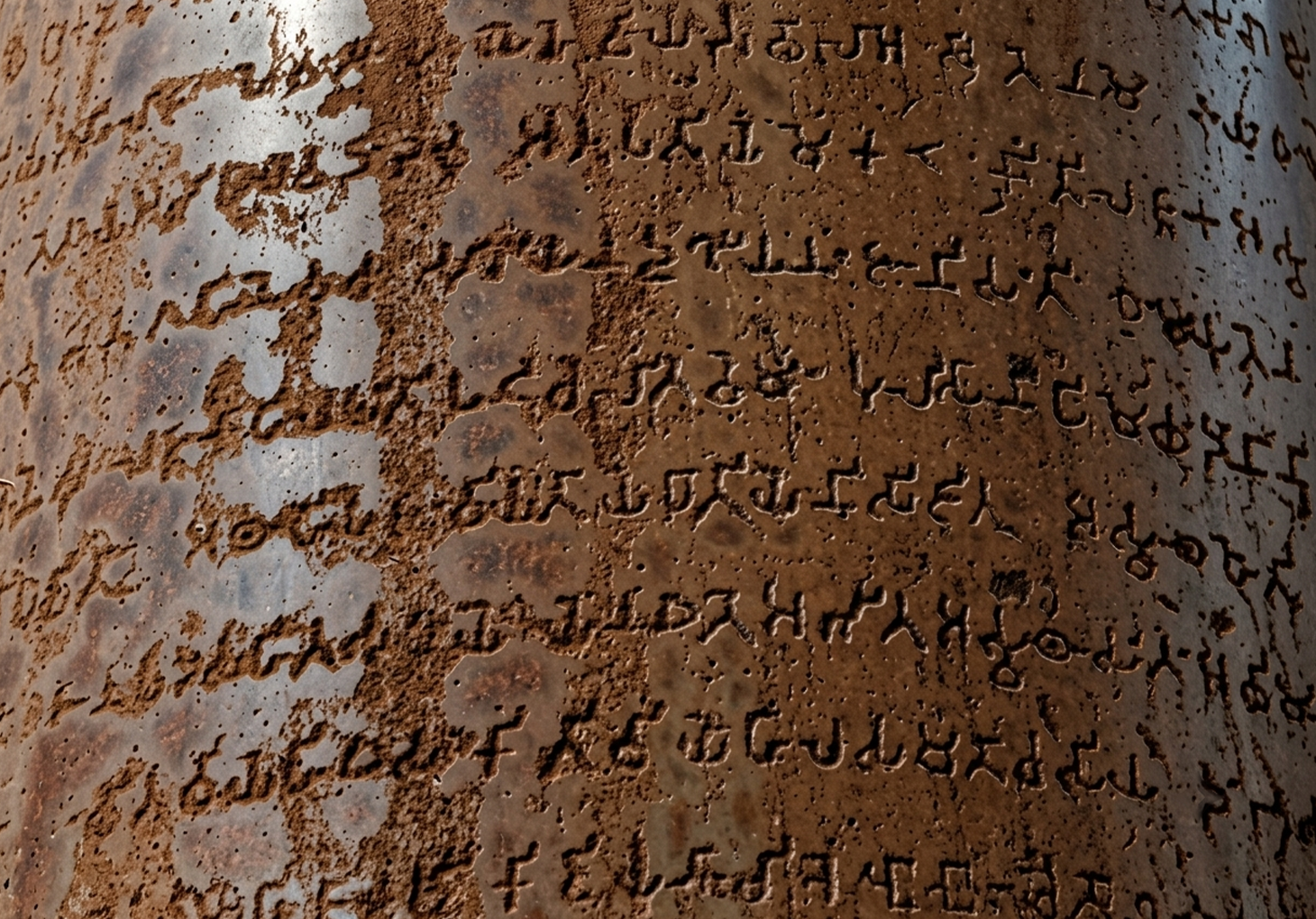
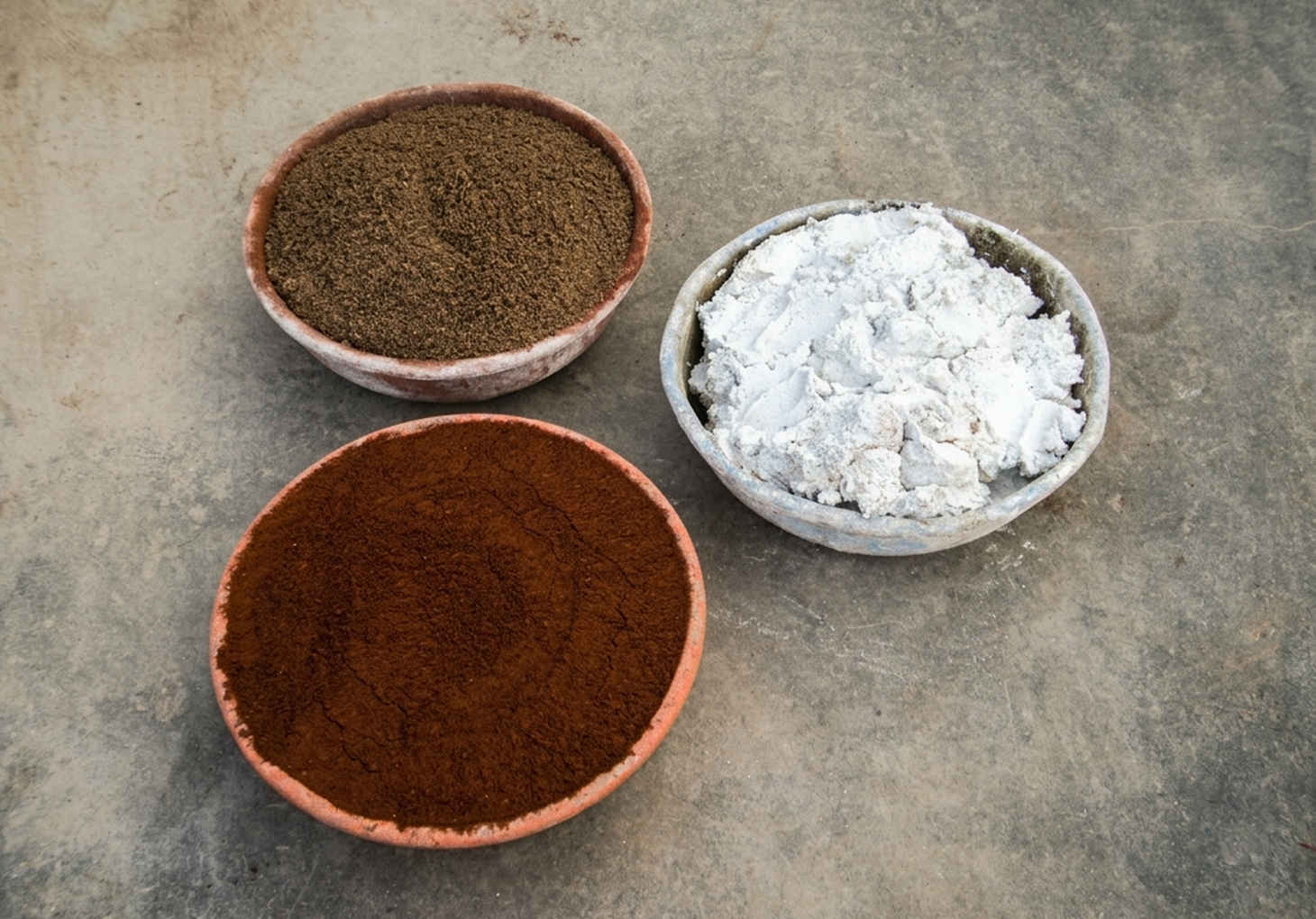
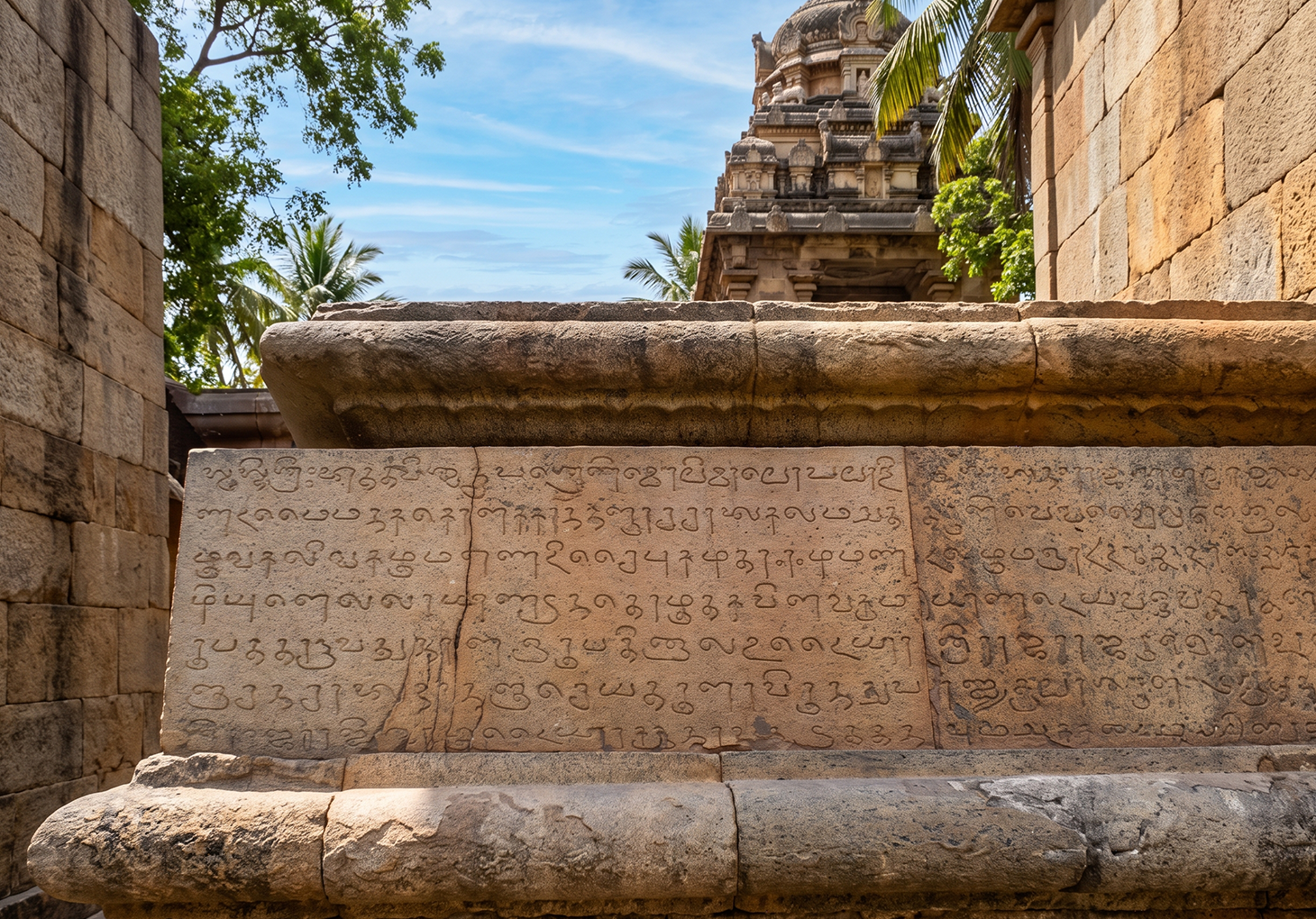
Stained Glass Windows Gothic Architecture – Highness Park Padmanabhapuram
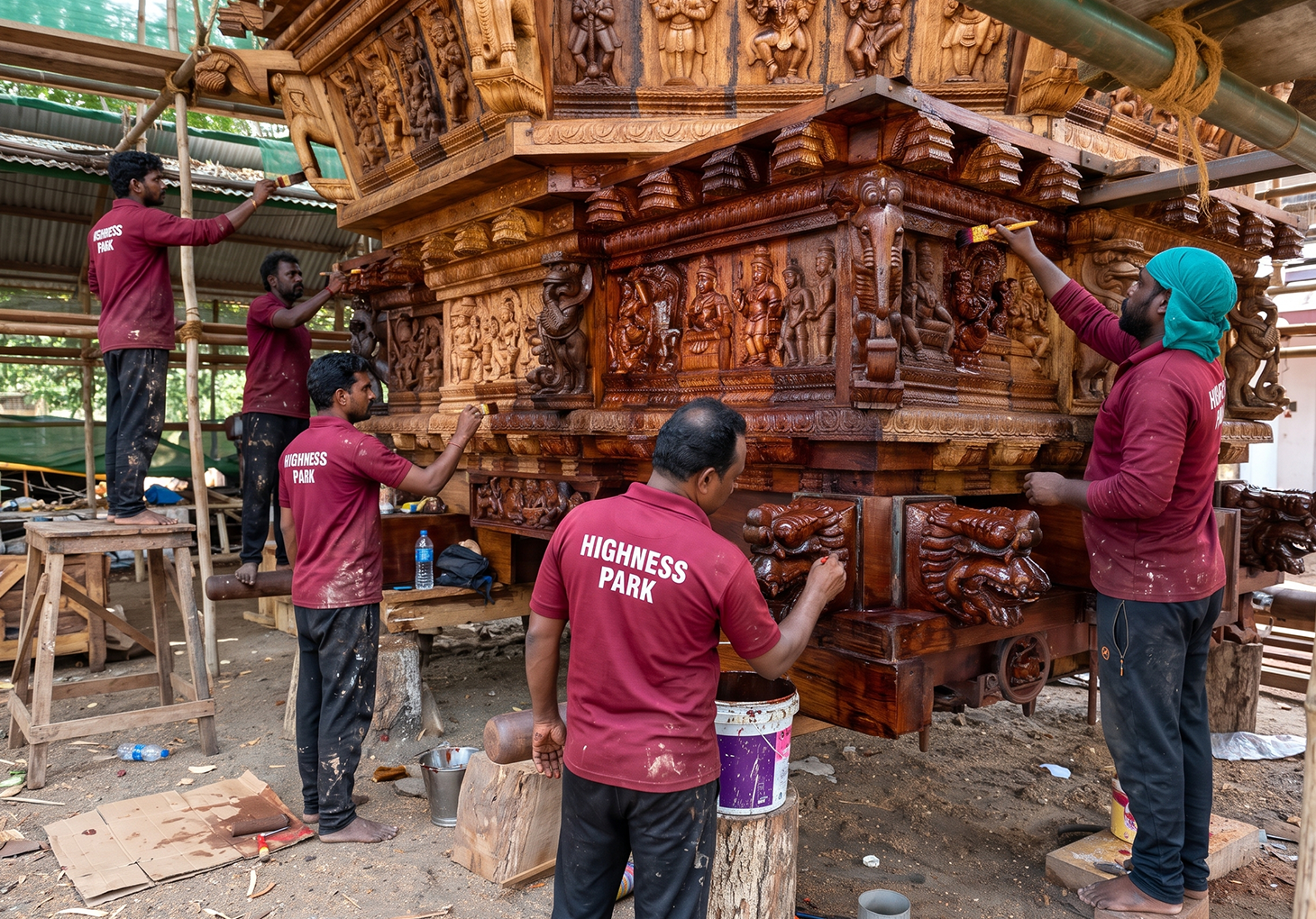
Every piece of historic stained glass carries a combination of colour, craftsmanship, structure, and artistic expression. At Highness Park, practical learning in stained glass conservation helps participants understand how fragile glass panels are examined, cleaned, stabilised, supported, and monitored with attention to their original materials and character.
Whether you are a student, artist, architect, researcher, conservation professional, or heritage enthusiast, the experience offers a closer look at the care required to protect glass, painted details, leadwork, and colour. Through guided observation and practical exposure, participants can better appreciate how careful conservation helps preserve the beauty, craftsmanship, structural stability, and cultural value of stained glass for future generations.

Make every stay, celebration, and event more memorable at Highness Park Hotel; your welcoming destination for comfort, convenience, and meaningful experiences.