Paper Conservation – Highness Park Padmanabhapuram
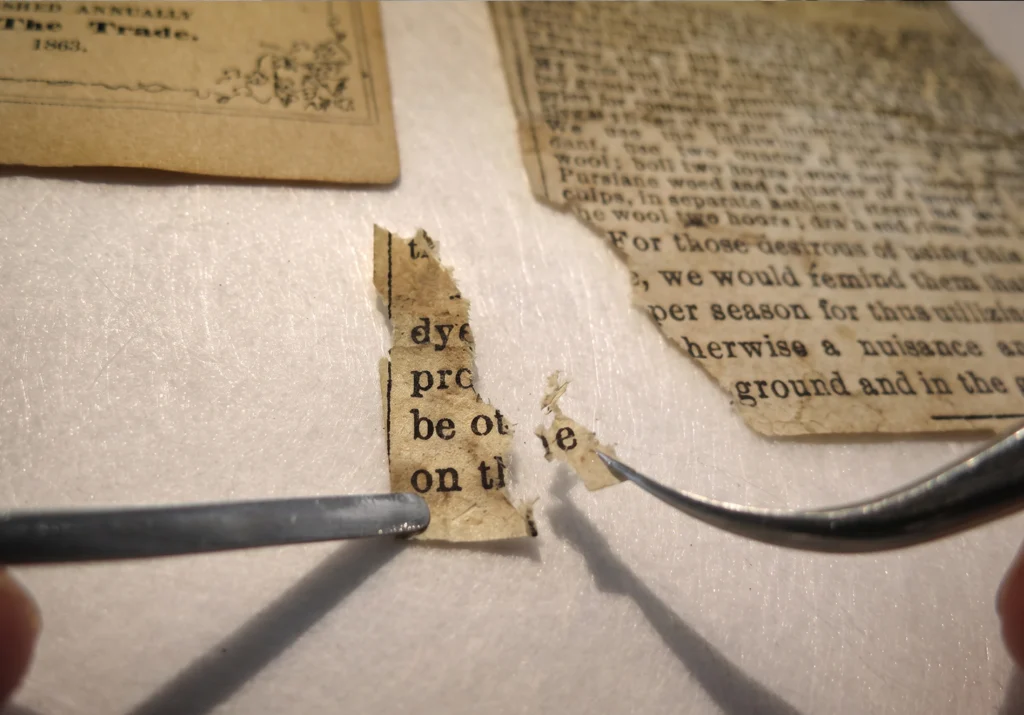
Paper can carry history, knowledge, artwork, records, and personal stories, but it is also highly vulnerable to age, moisture, light, handling, and environmental damage. At Highness Park in Thuckalay, participants can explore paper conservation techniques through guided learning focused on condition assessment, safe handling, cleaning, stabilisation, repair, storage, and preventive care. These paper conservation workshops at Highness Park are suitable for students, researchers, archivists, artists, conservation professionals, and heritage enthusiasts interested in understanding how valuable paper materials and historic documents can be carefully protected and preserved.
Distance

IN TWO WHEELER

IN CAR
Historic paper and documents can deteriorate gradually through age, humidity, light exposure, dust, insects, acidic materials, poor storage, and frequent handling. Understanding these causes helps participants recognise early signs such as discolouration, brittleness, stains, tears, fading, mould, and surface weakness before further damage occurs.
At Highness Park, learners can explore how environmental conditions, storage methods, material quality, and human handling affect the long-term survival of paper. This knowledge builds a stronger foundation for making careful decisions about documentation, preventive conservation, safe storage, and appropriate treatment of historic records and paper-based heritage materials.
Paper Conservation – Highness Park Padmanabhapuram
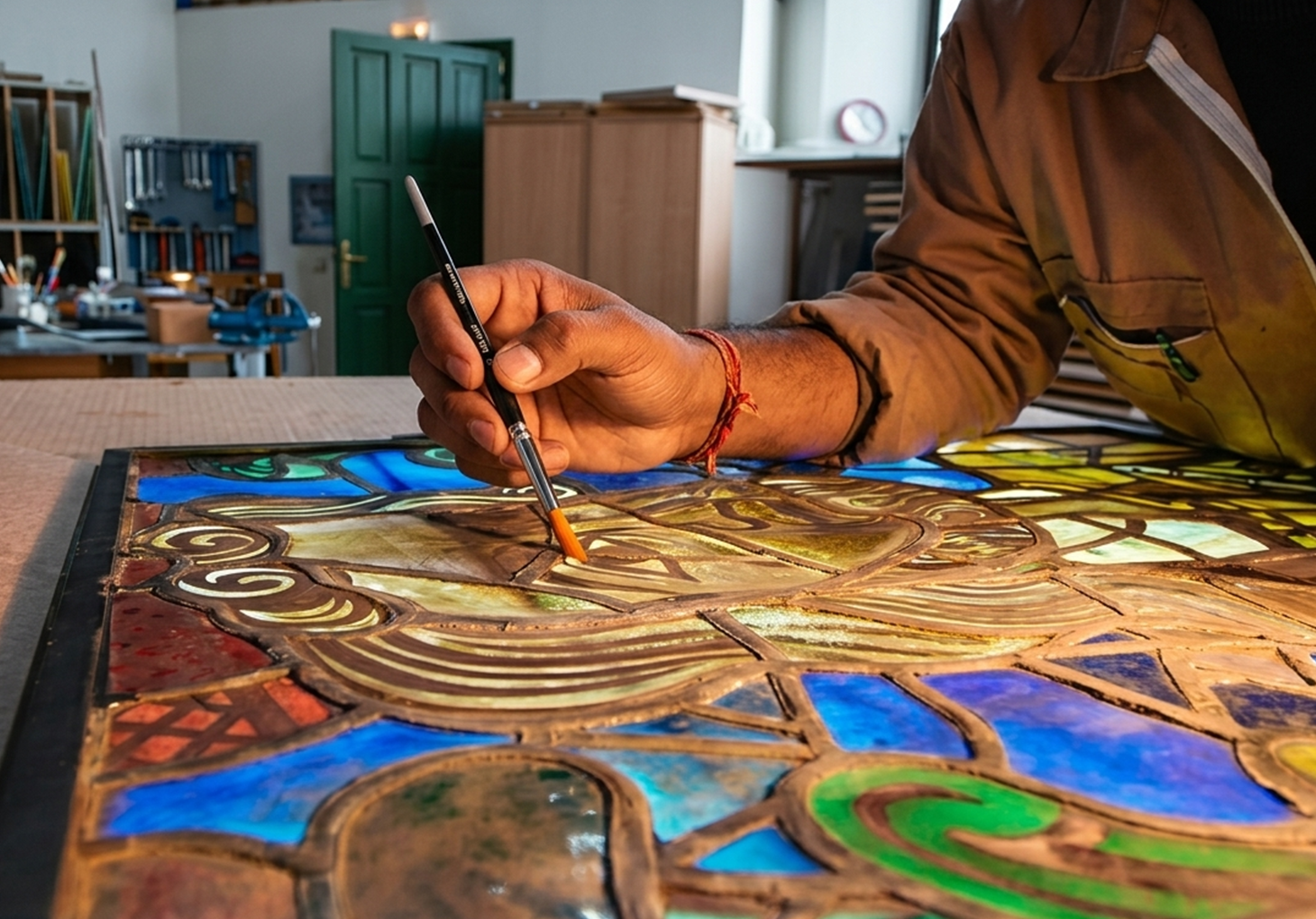
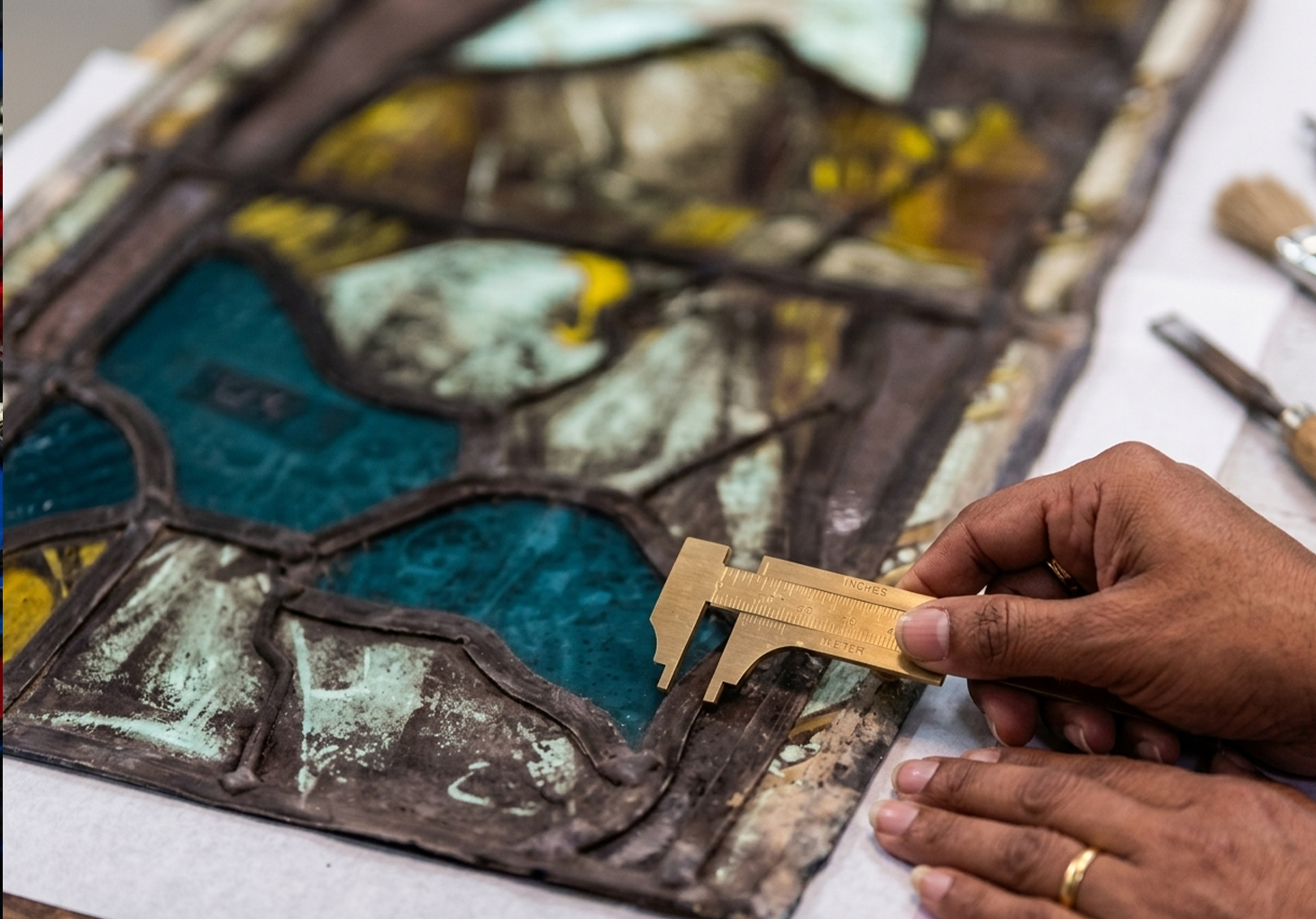
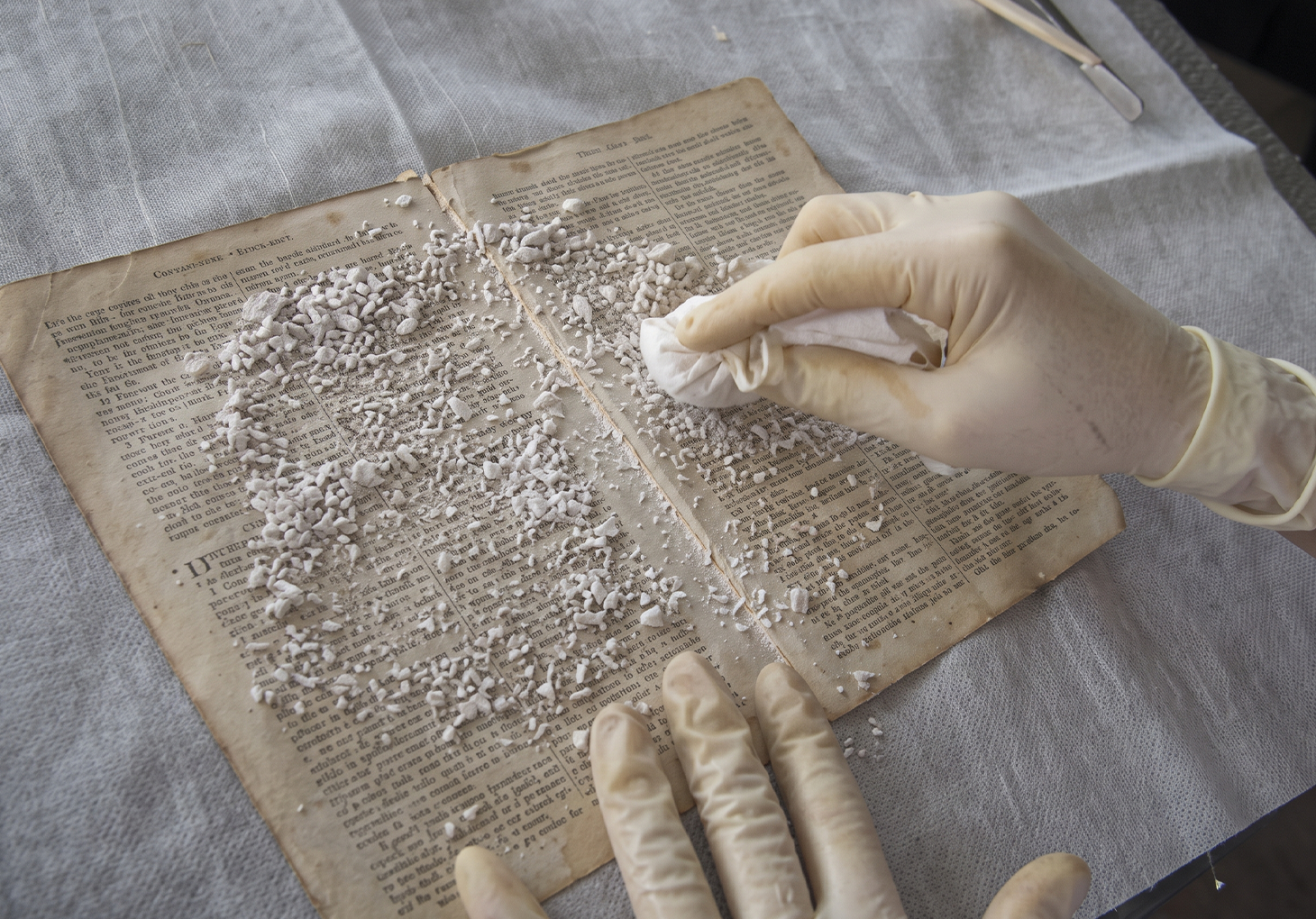
Before any treatment begins, paper materials must be carefully examined to understand their condition, stains, tears, brittleness, surface dirt, moisture damage, and previous repairs. At Highness Park, participants can learn how visual assessment, documentation, gentle cleaning, flattening, stabilisation, and careful handling support the conservation process. Through guided practical exposure, learners understand why every step must respect the original fibres, inks, pigments, and structure of the document, helping reduce further deterioration while preparing historic paper for safer storage, handling, and long-term preservation.
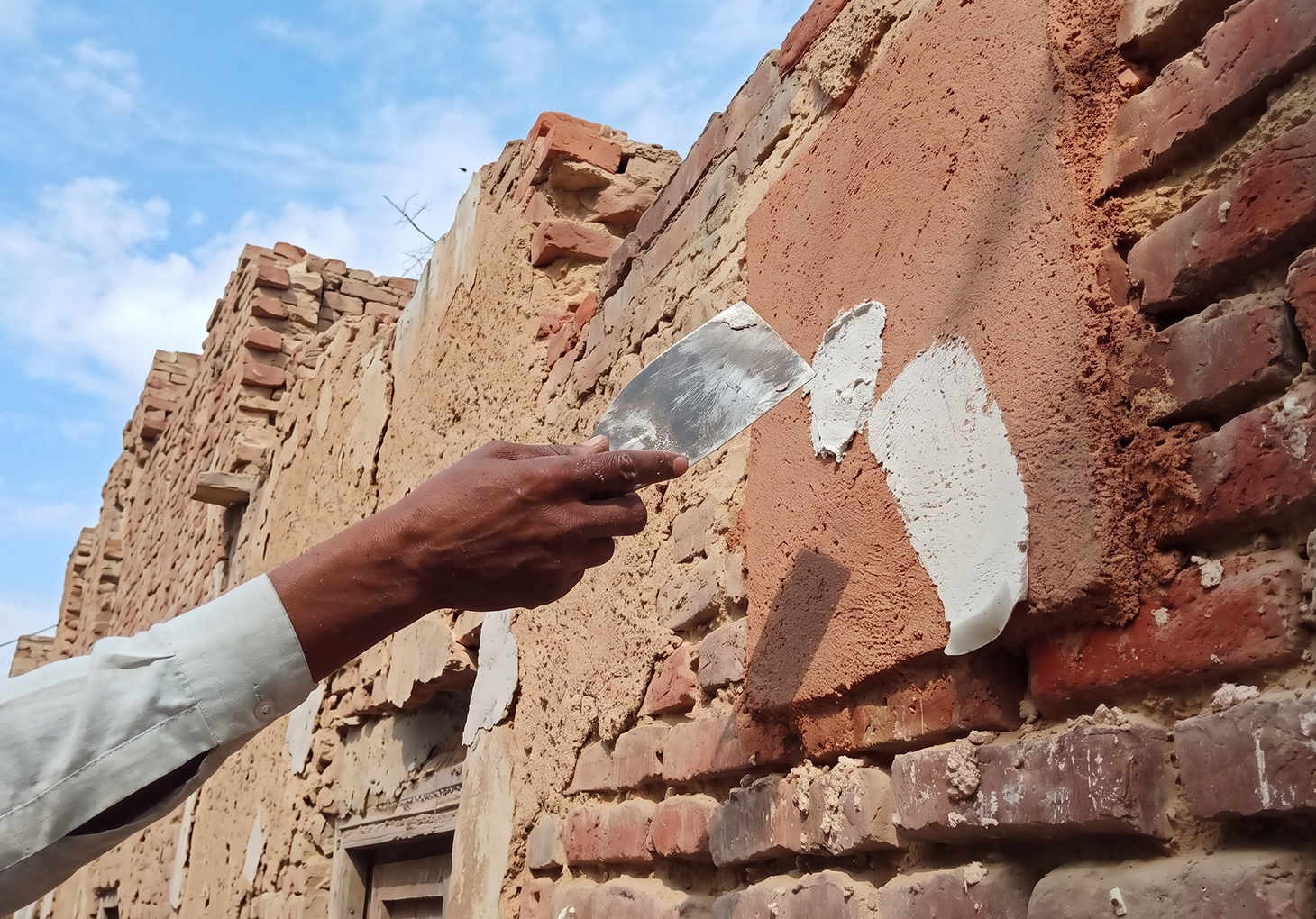
Repair and storage decisions play an important role in extending the life of historic paper and documents. At Highness Park, participants can explore methods such as tear repair, edge support, flattening, protective enclosures, archival storage, and careful handling, while understanding why each intervention should remain minimal, compatible, and reversible wherever possible.
The sessions also introduce preventive conservation, including the importance of controlling light, humidity, dust, pests, handling, and storage conditions. Through guided practical learning, participants can understand how thoughtful maintenance and proper storage reduce future deterioration and help preserve documents, manuscripts, drawings, prints, and other paper-based heritage materials for longer periods.


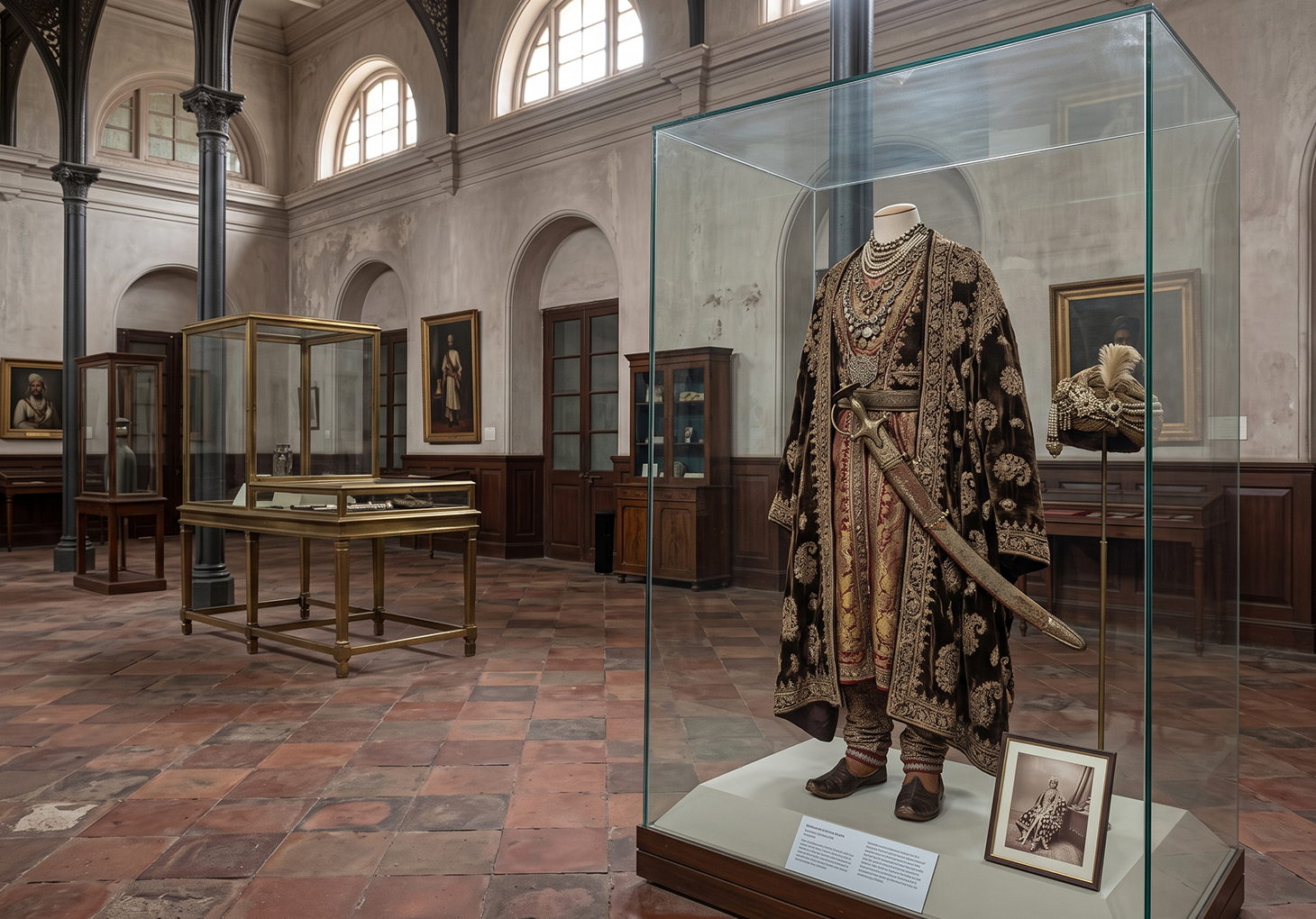
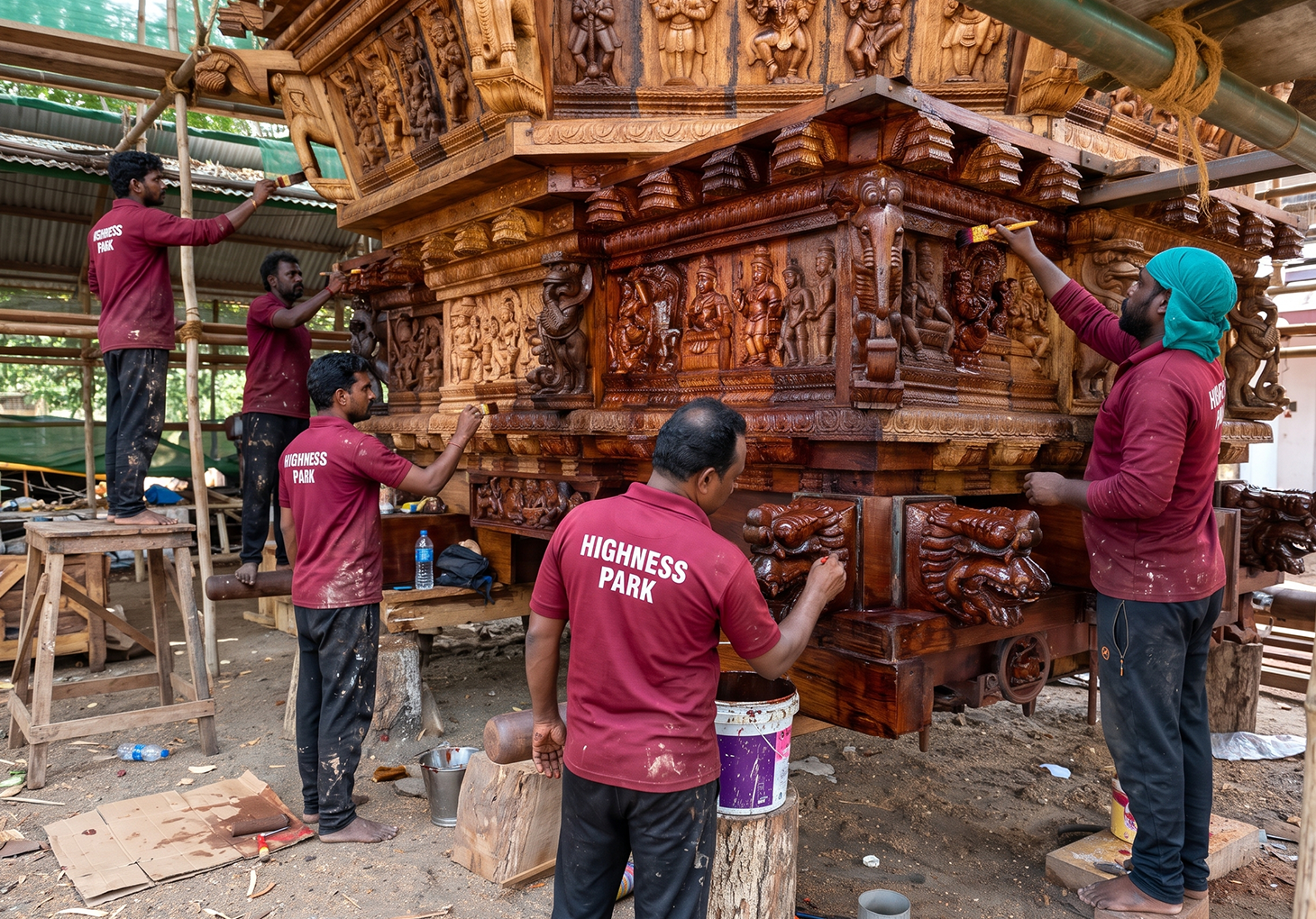
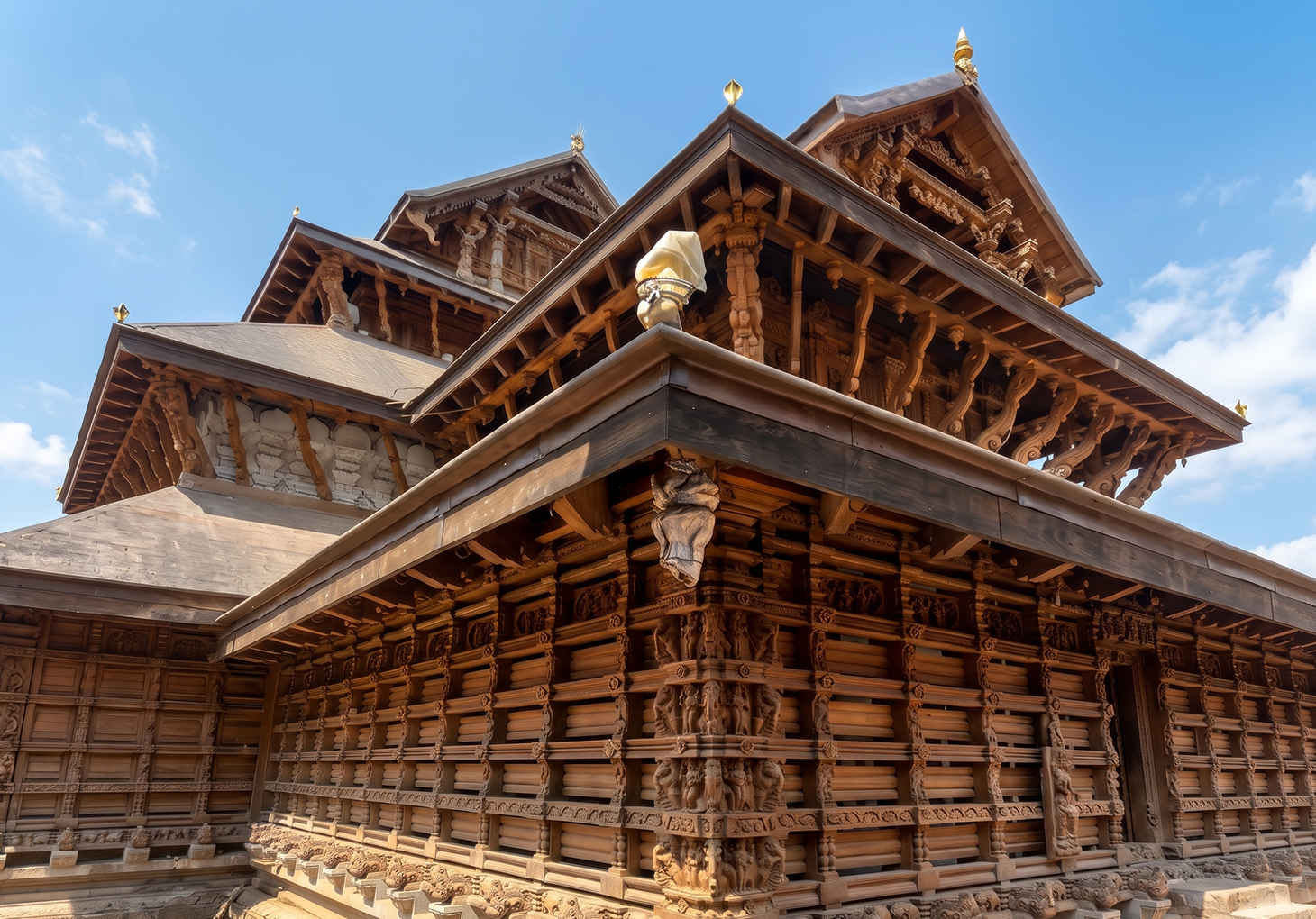
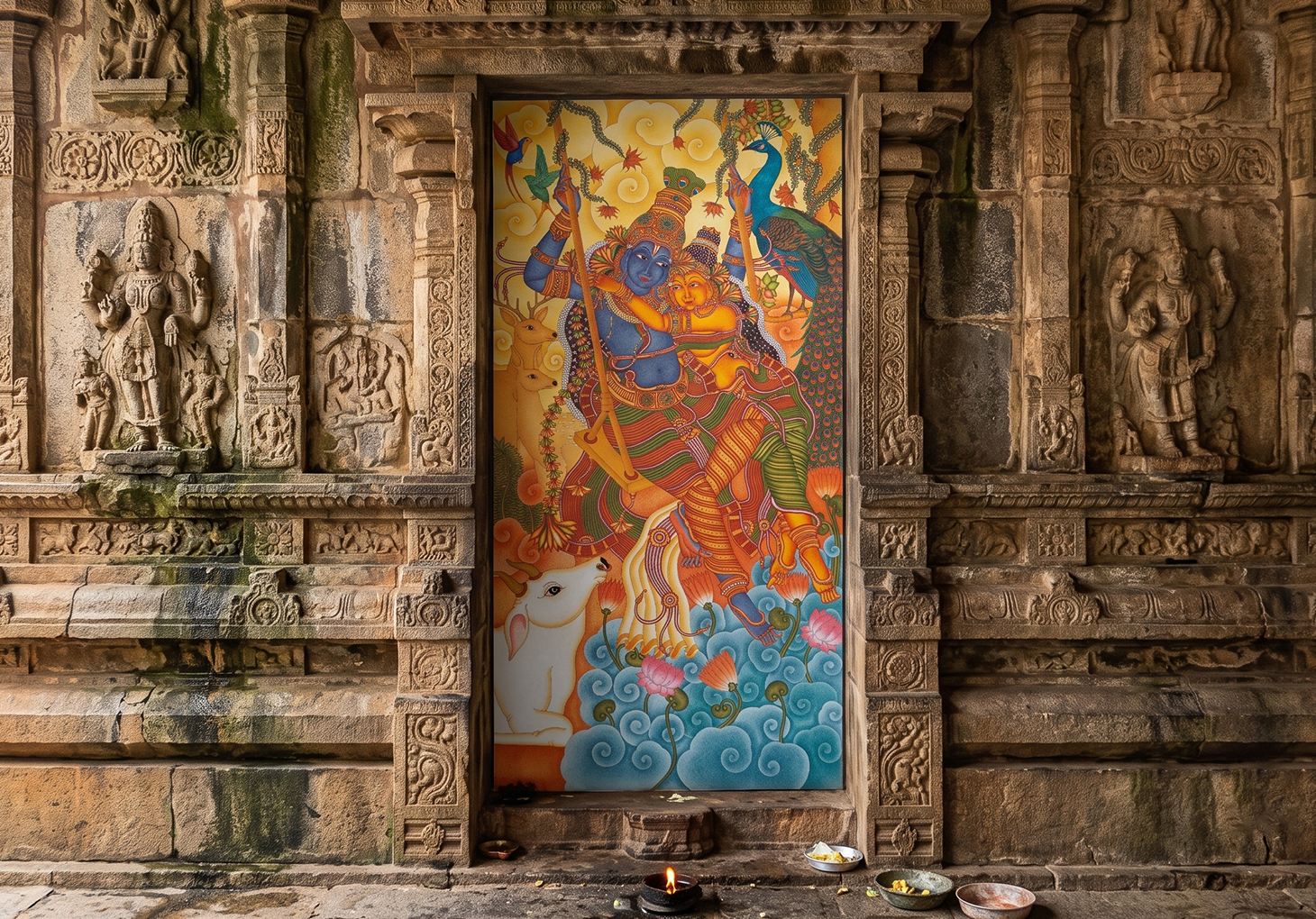
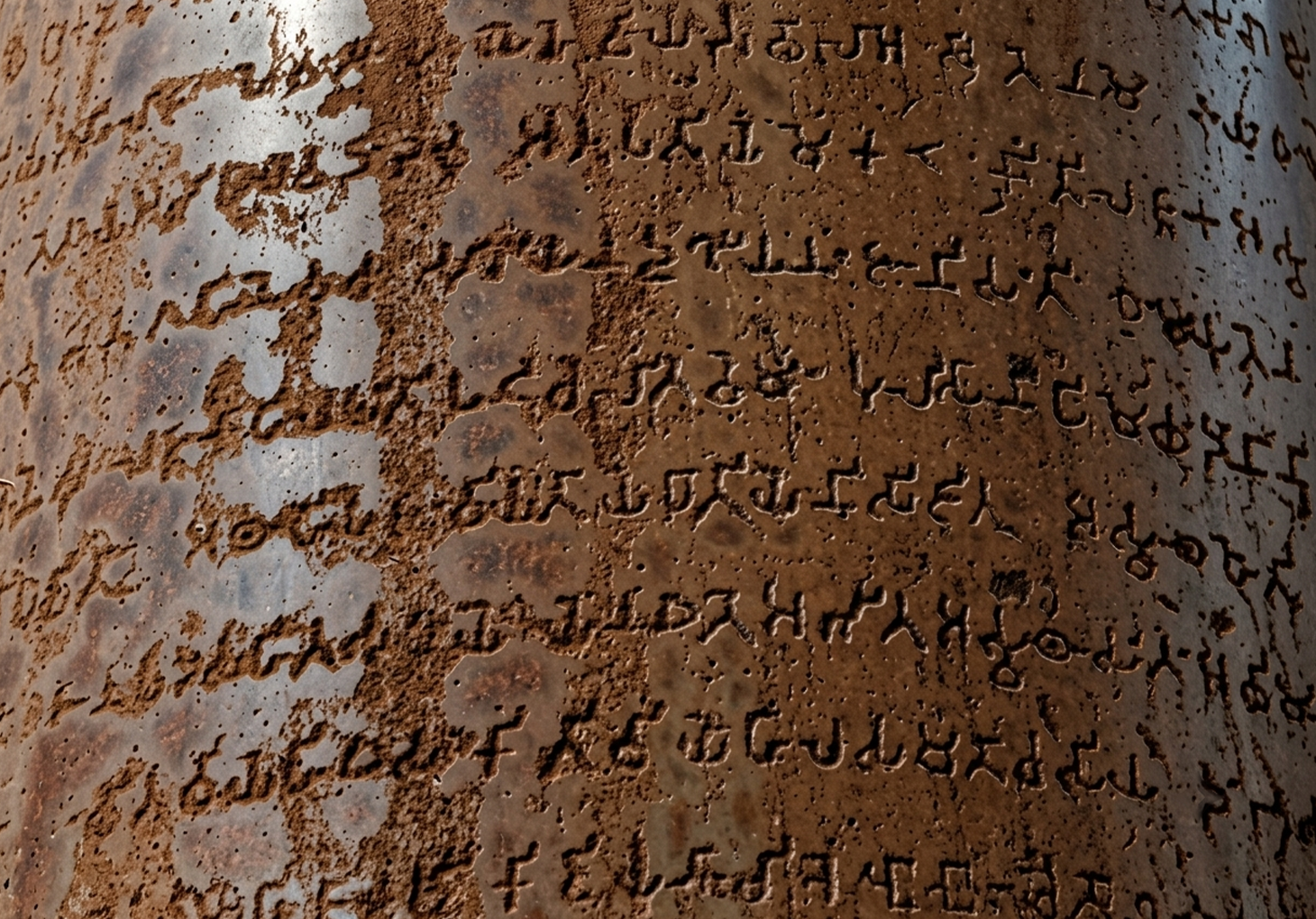
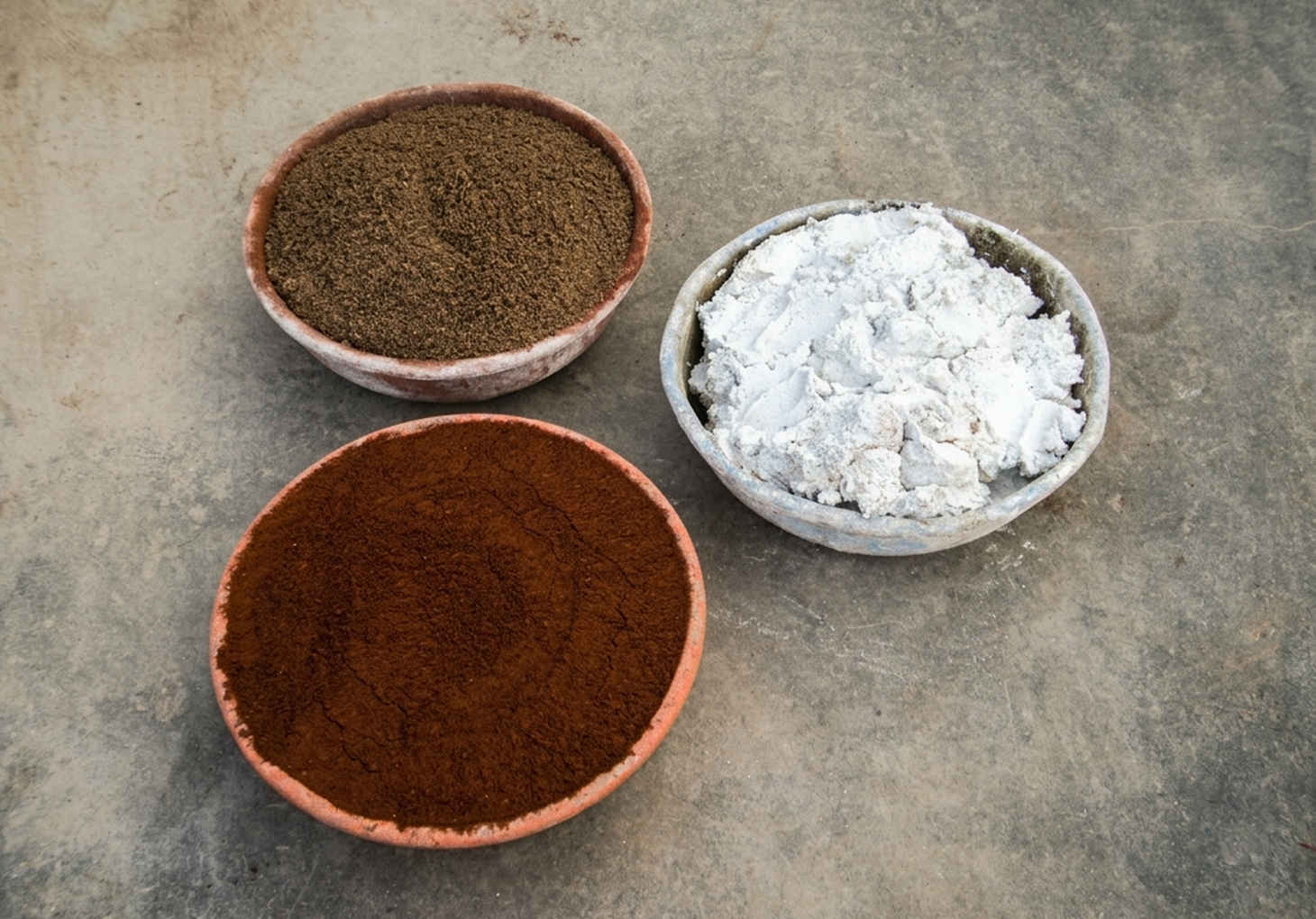
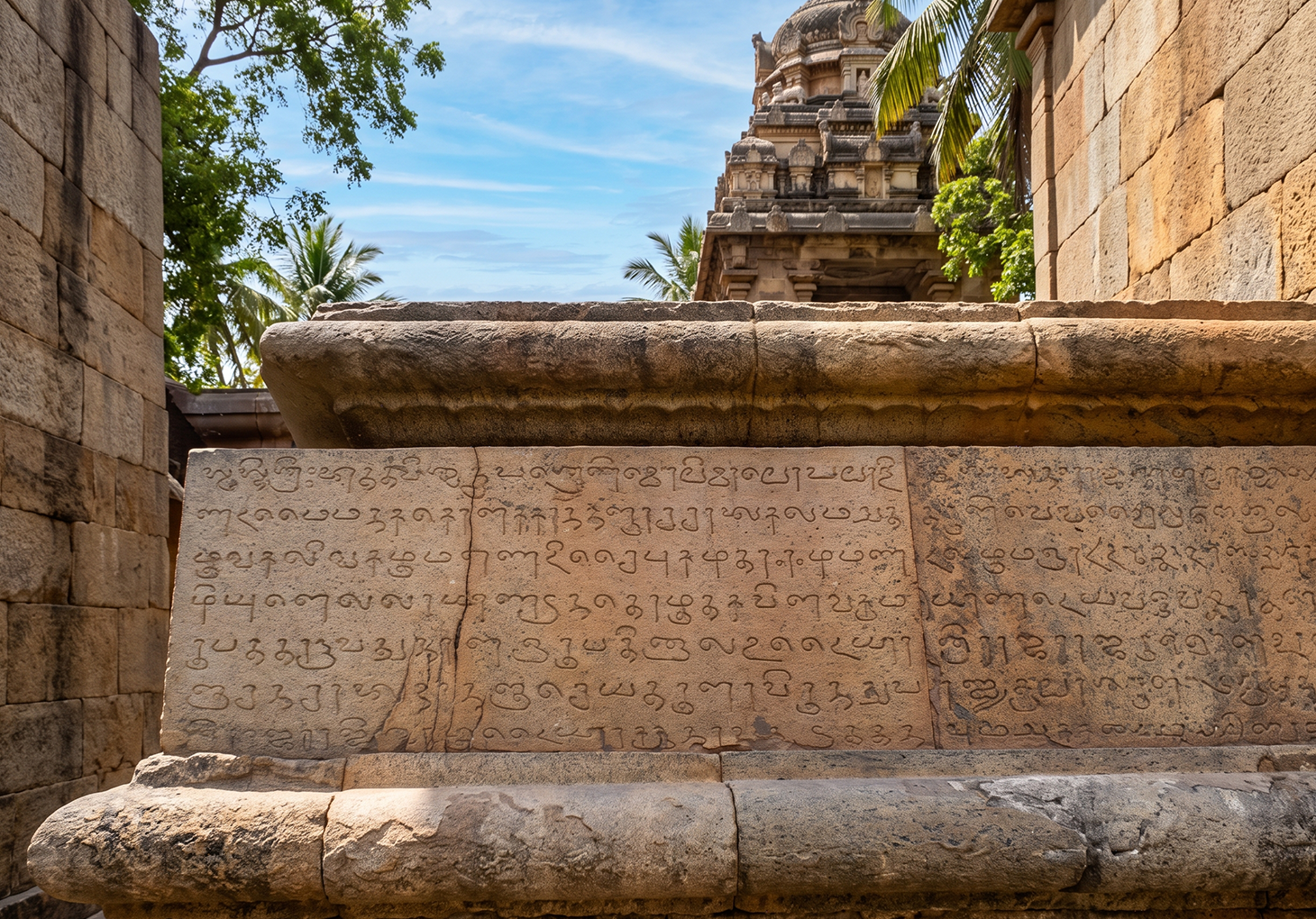
Document Conservation – Highness Park Padmanabhapuram
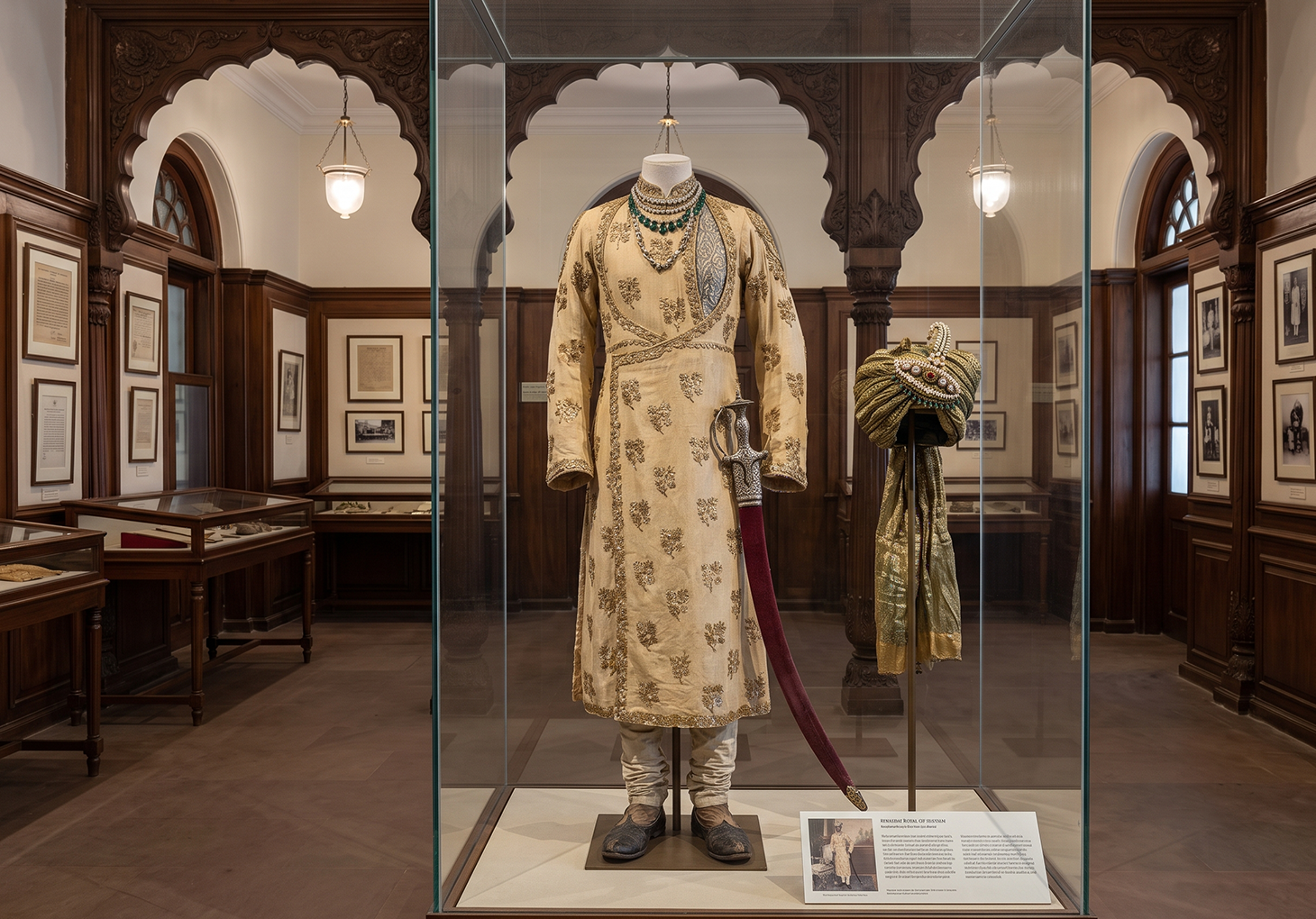
Every historic document carries something worth protecting—a record, a memory, a piece of knowledge, or a connection to the past. At Highness Park, practical learning in paper conservation helps participants understand how fragile paper materials are examined, cleaned, stabilised, repaired, stored, and cared for with patience and responsibility.
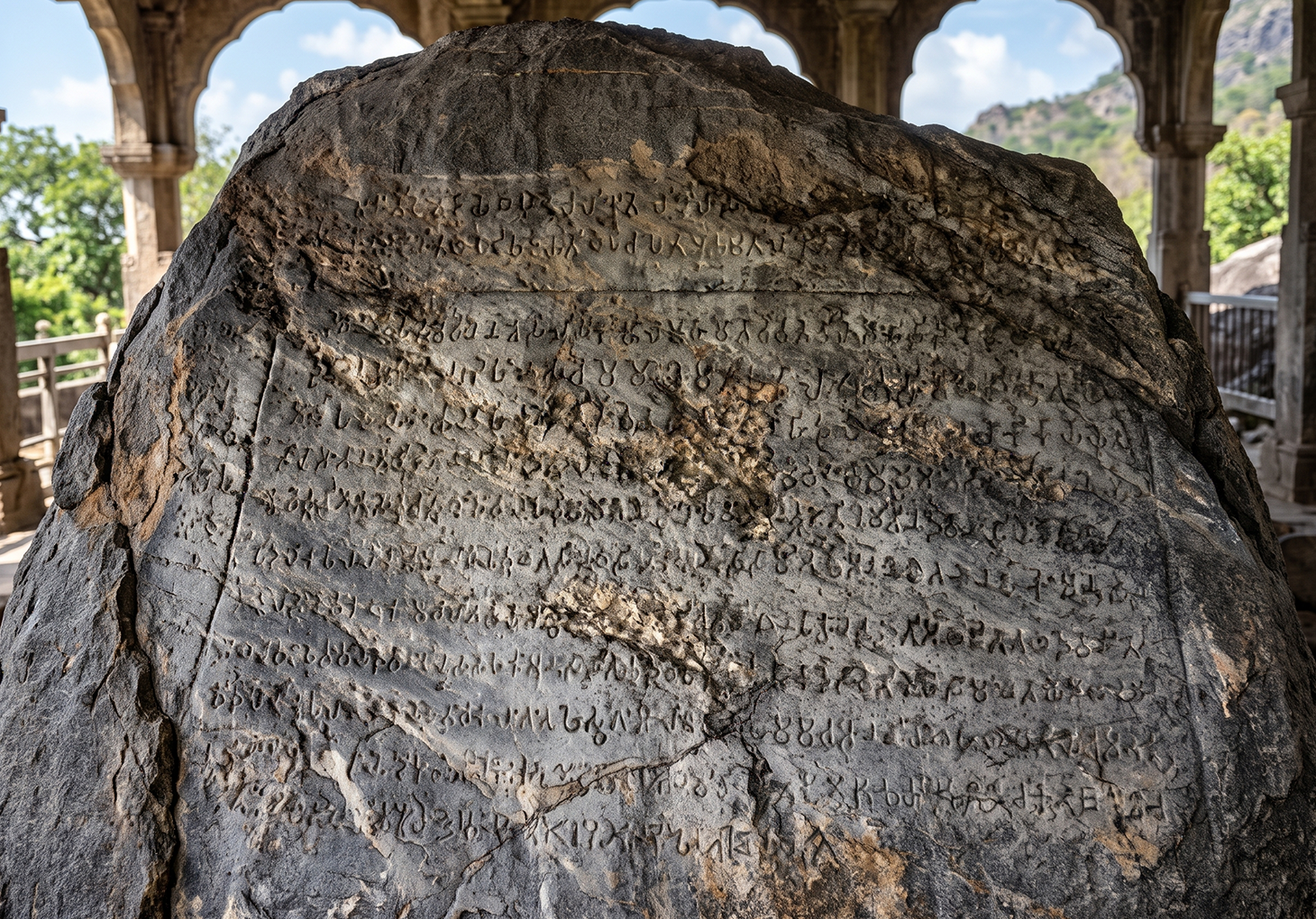
Whether you are a student, researcher, archivist, artist, conservation professional, or heritage enthusiast, the experience offers an opportunity to develop a deeper appreciation for documents, manuscripts, drawings, prints, and paper-based heritage. Through guided observation and practical exposure, participants can better understand how thoughtful conservation helps preserve historic information, craftsmanship, and cultural memory for those who come after us.

Make every stay, celebration, and event more memorable at Highness Park Hotel; your welcoming destination for comfort, convenience, and meaningful experiences.