Epigraphy and the Historical Sciences – Highness Park Padmanabhapuram
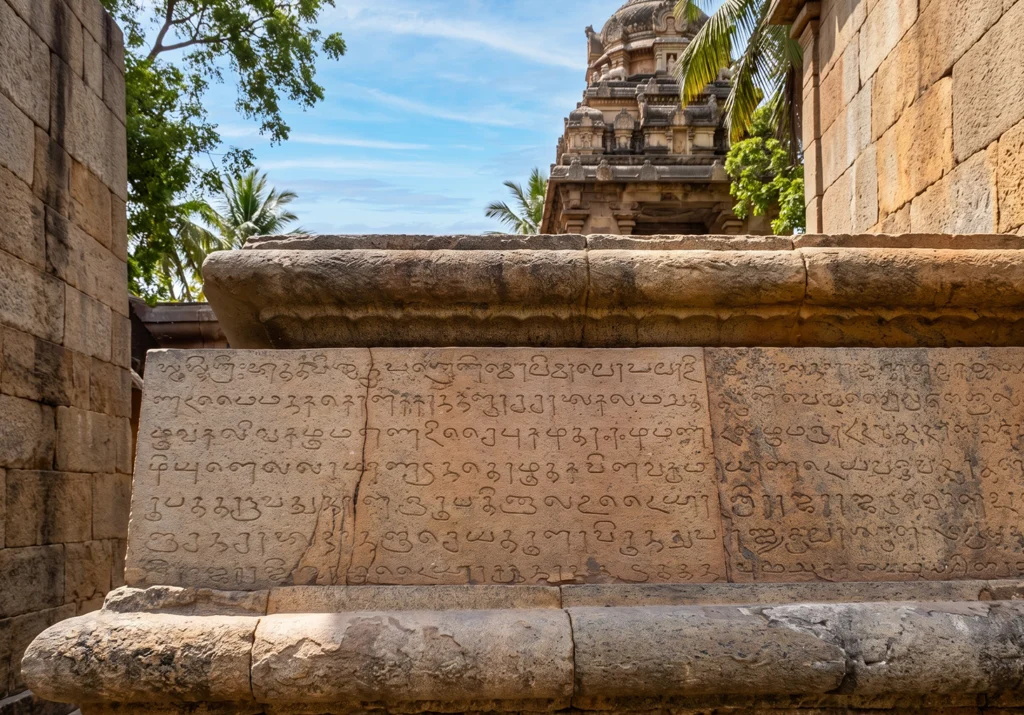
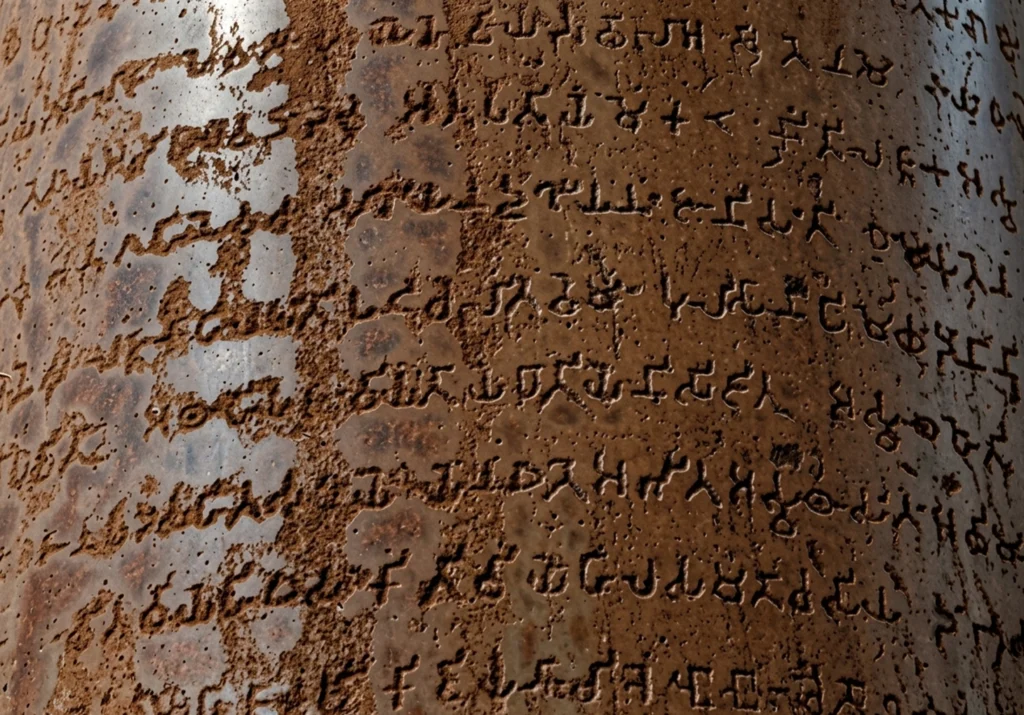
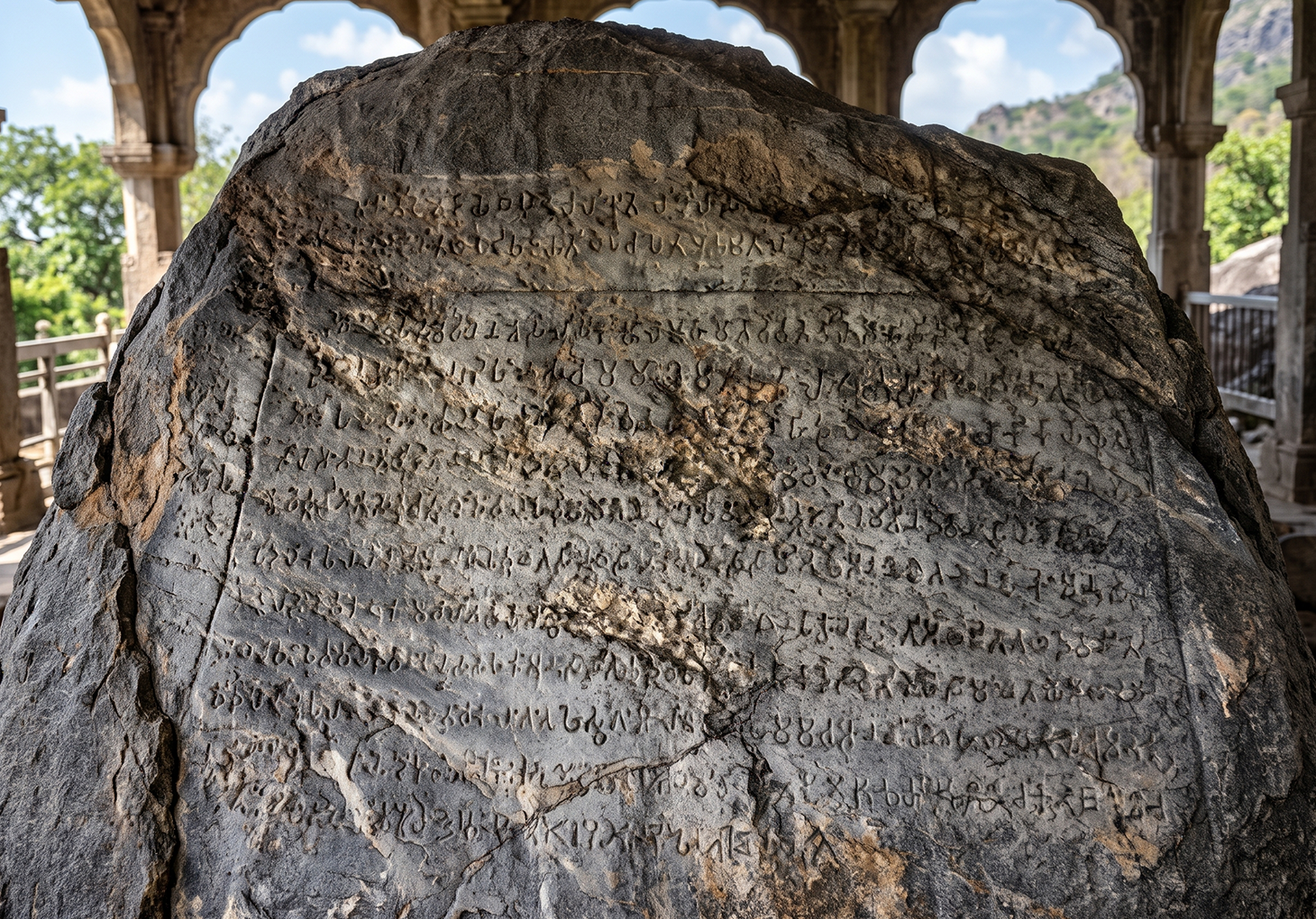
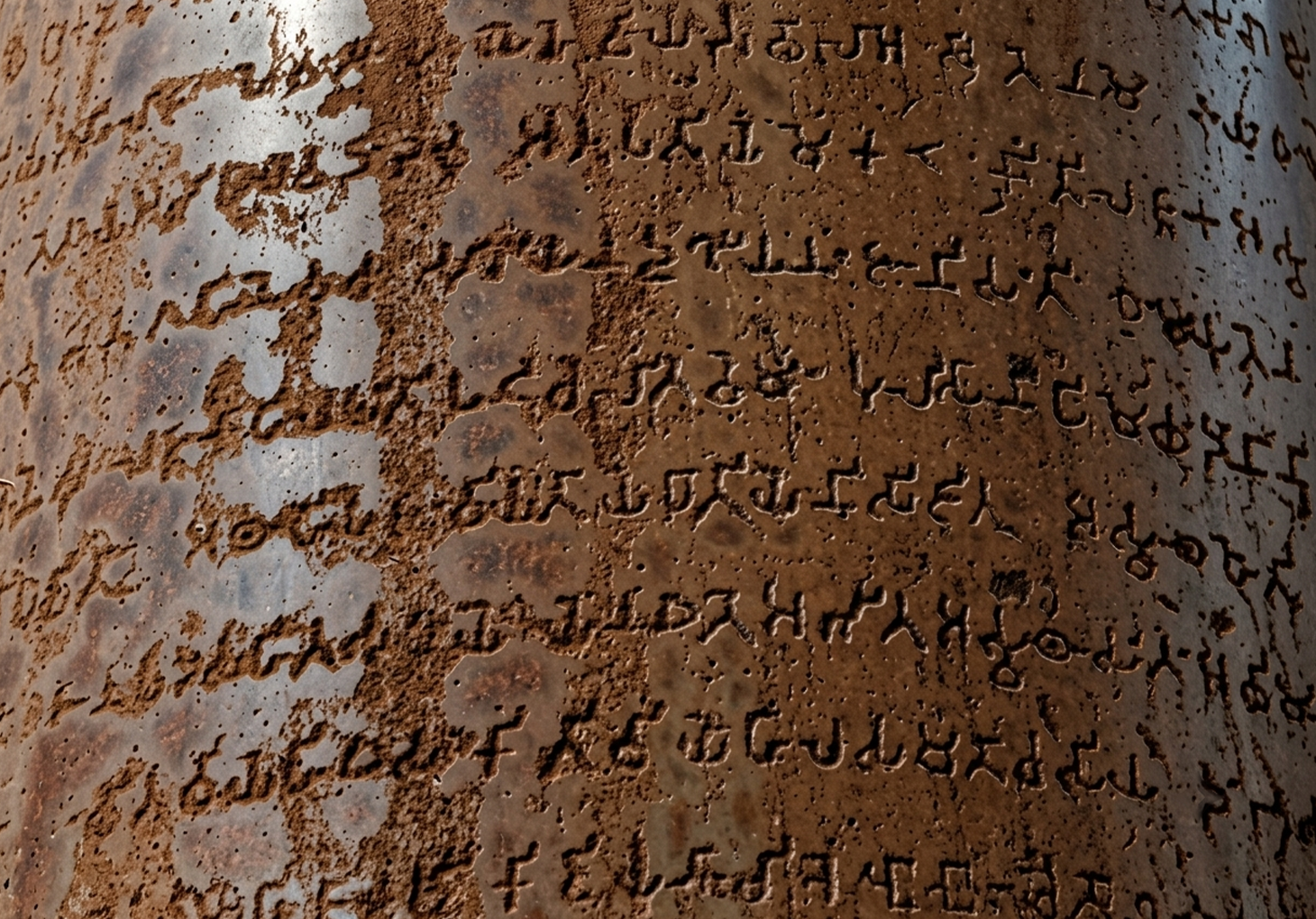
Inscriptions carved on stone, metal, and other historic surfaces can reveal names, dates, beliefs, rulers, places, and events from the past. At Highness Park in Thuckalay, participants can explore epigraphy study and inscription learning through guided sessions focused on scripts, symbols, language, dating, documentation, and historical interpretation. These epigraphy learning sessions at Highness Park are suitable for students, researchers, historians, archaeology enthusiasts, heritage professionals, and curious travellers interested in understanding how inscriptions help preserve and interpret history, culture, and regional heritage.
Distance

IN TWO WHEELER

IN CAR
Inscriptions are important historical records because they can preserve details about rulers, communities, religious practices, land grants, trade, social customs, dates, and significant events. Studying them helps participants understand how people recorded information before modern documentation became common, giving valuable context to local history and cultural development.
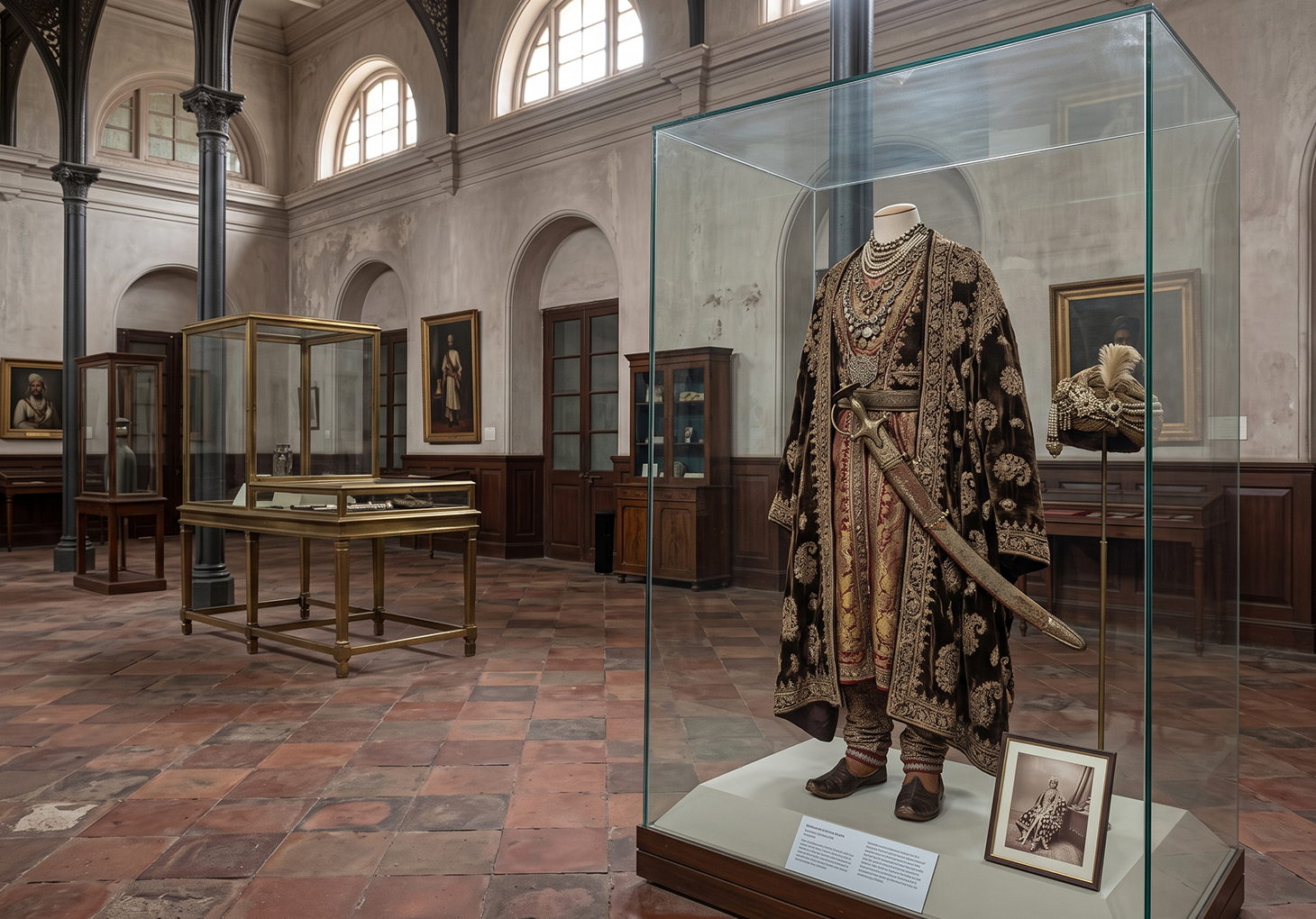
At Highness Park, learners can explore how inscriptions contribute to the study of history, archaeology, language, and regional identity. By observing scripts, wording, symbols, names, dates, and references to places or institutions, participants can better understand how epigraphic evidence helps connect historic monuments, communities, traditions, and events with the stories preserved across generations.
Epigraphy and the Historical Sciences – Highness Park Padmanabhapuram
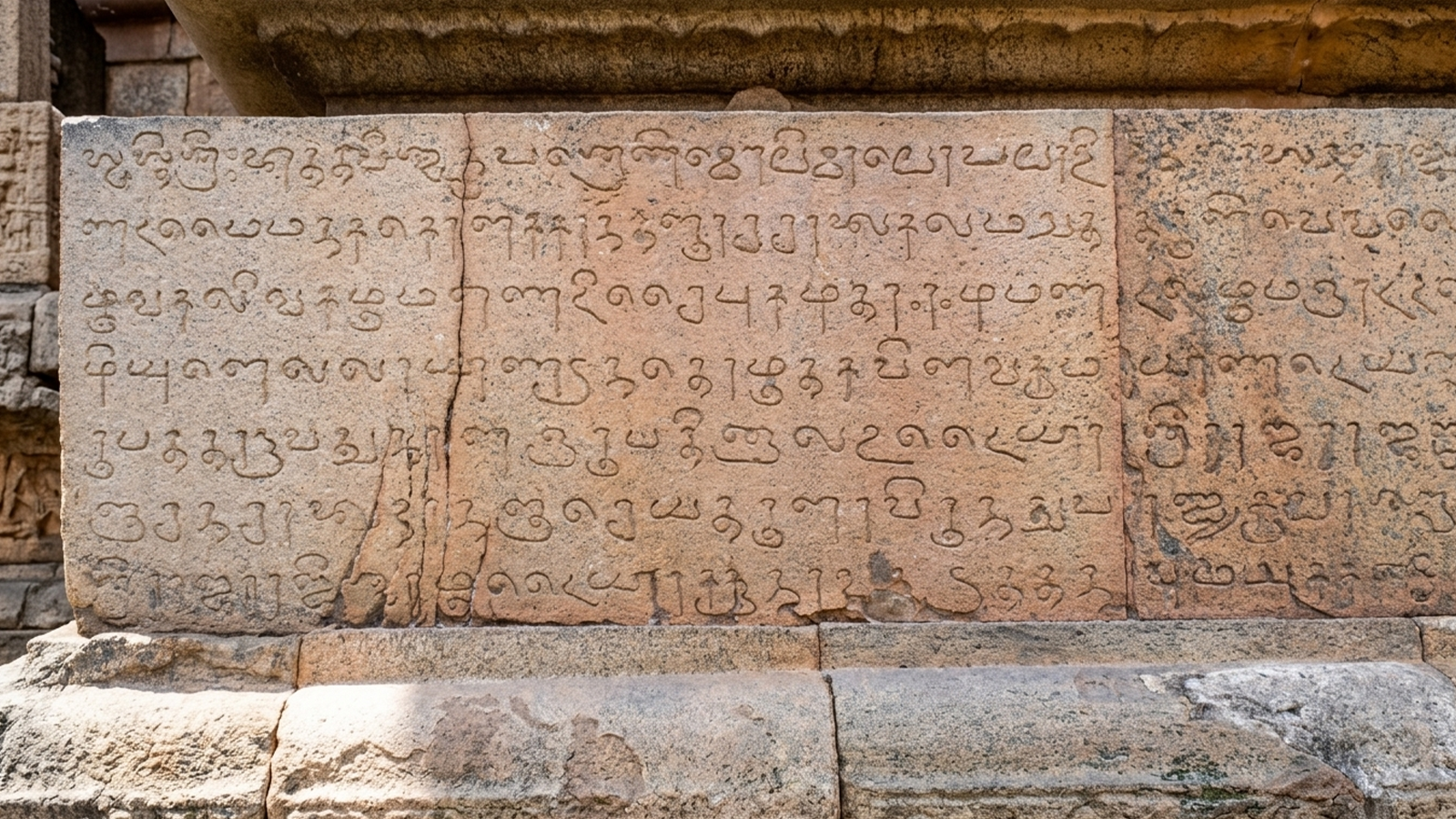
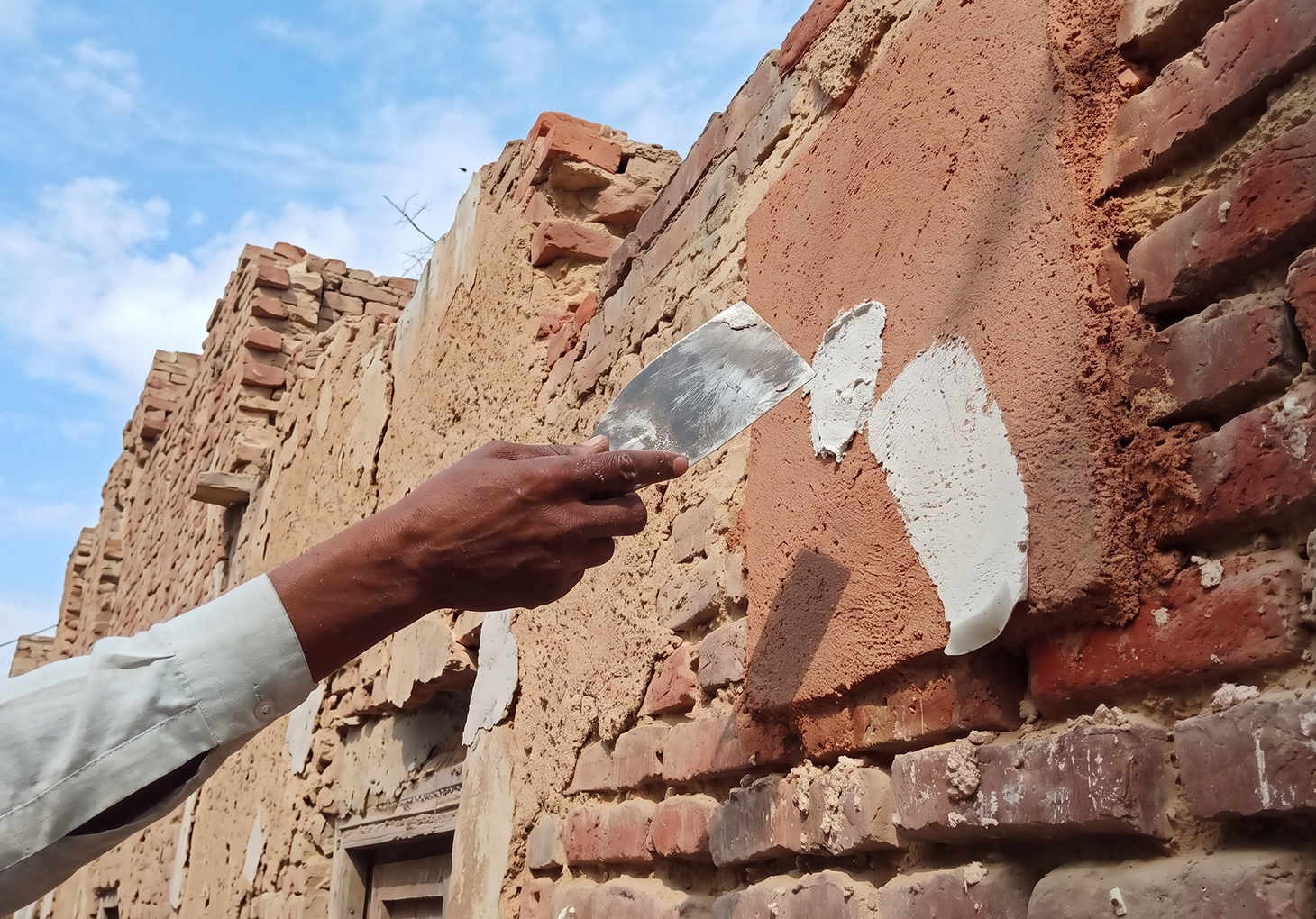
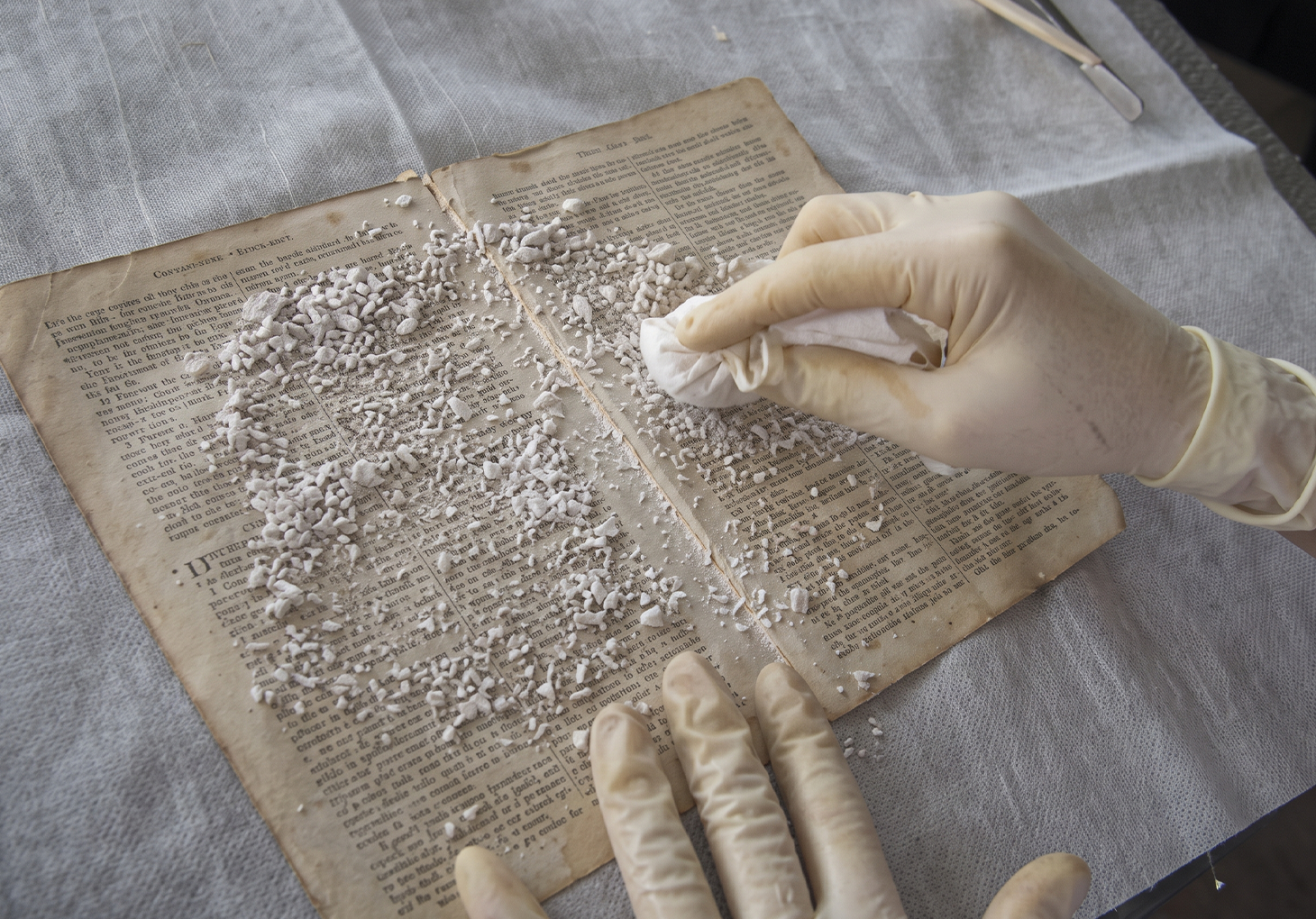
Ancient inscriptions need to be approached with careful observation, patience, and accurate documentation. At Highness Park, participants can learn how to examine letter forms, symbols, surface condition, spacing, language, and context before attempting to interpret the text. The sessions also introduce methods of recording, photographing, tracing, transcribing, and comparing inscriptions, helping learners understand how epigraphic evidence is preserved for further study. Through guided practical exposure, participants can develop a clearer understanding of how inscriptions are read, documented, and connected with historical events, places, people, and cultural traditions.
Scripts and languages are central to understanding what an inscription communicates and when it may have been created. At Highness Park, participants can explore letter forms, linguistic patterns, abbreviations, symbols, and writing styles, learning how these clues help identify the language, period, and cultural context of an inscription.
The sessions also introduce basic approaches to dating and historical interpretation, including comparison with known scripts, names, titles, events, and references to places. Through guided study and observation, learners can understand how epigraphic evidence supports the reconstruction of chronology, political history, social life, religious traditions, and regional cultural development.
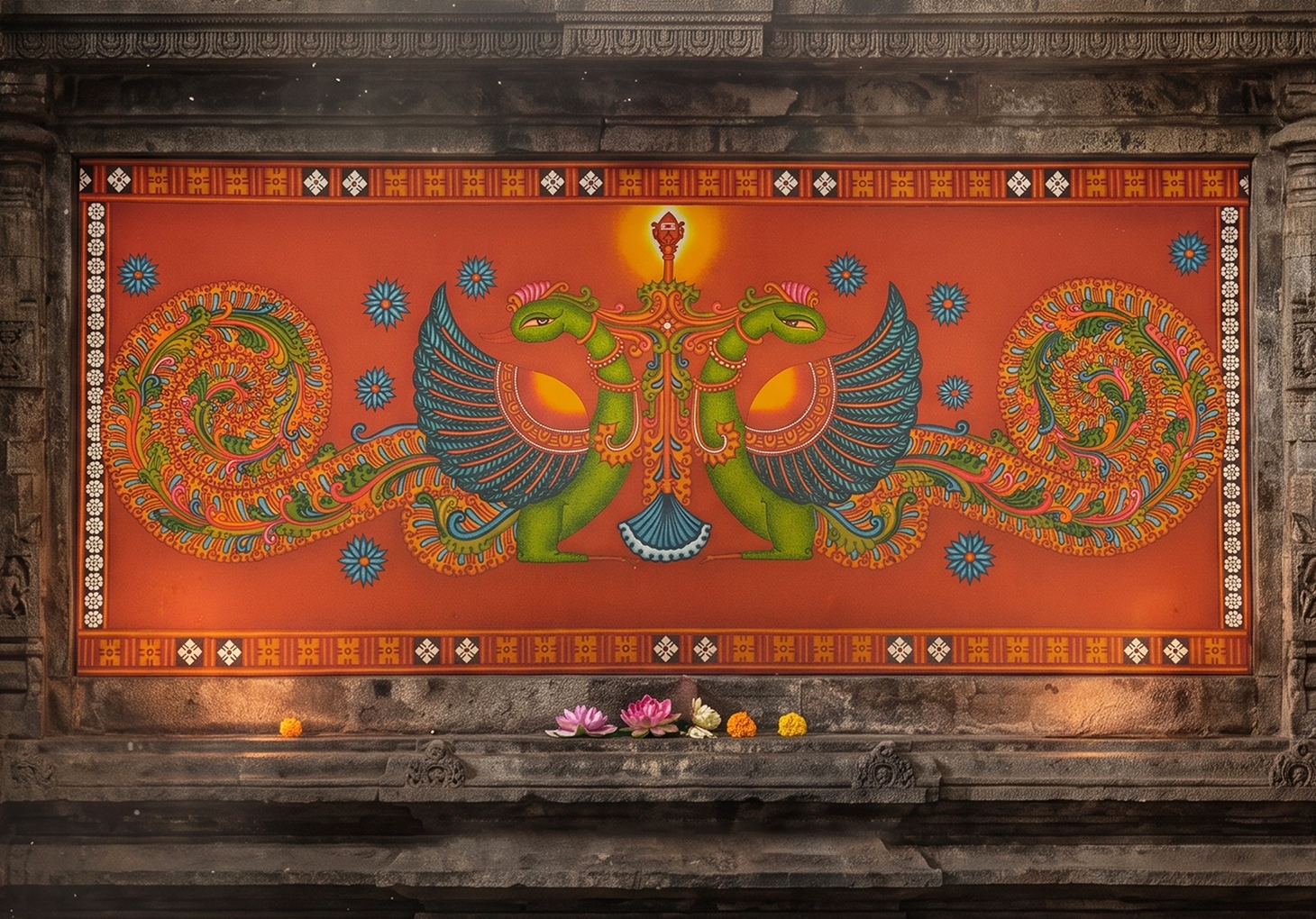
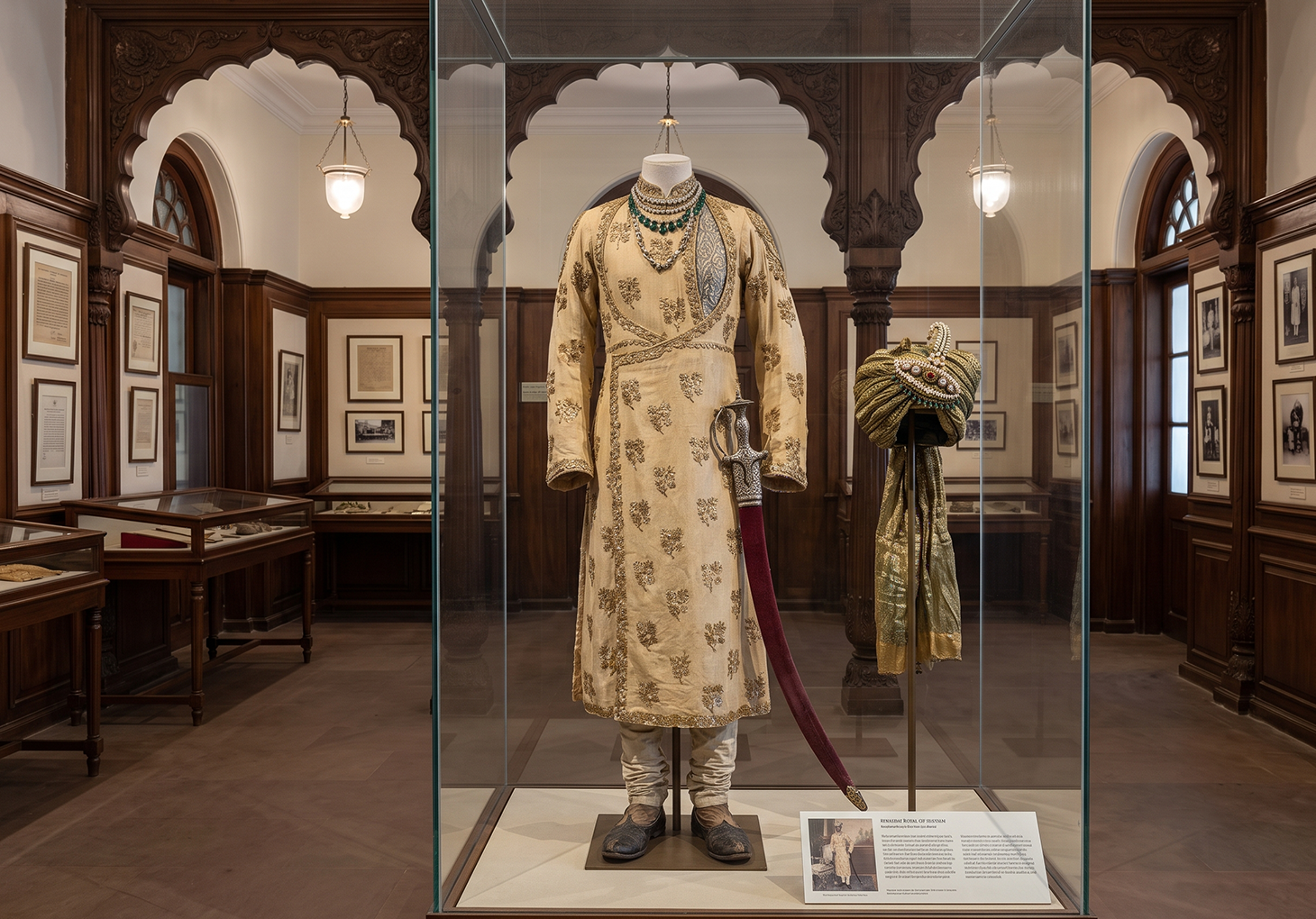
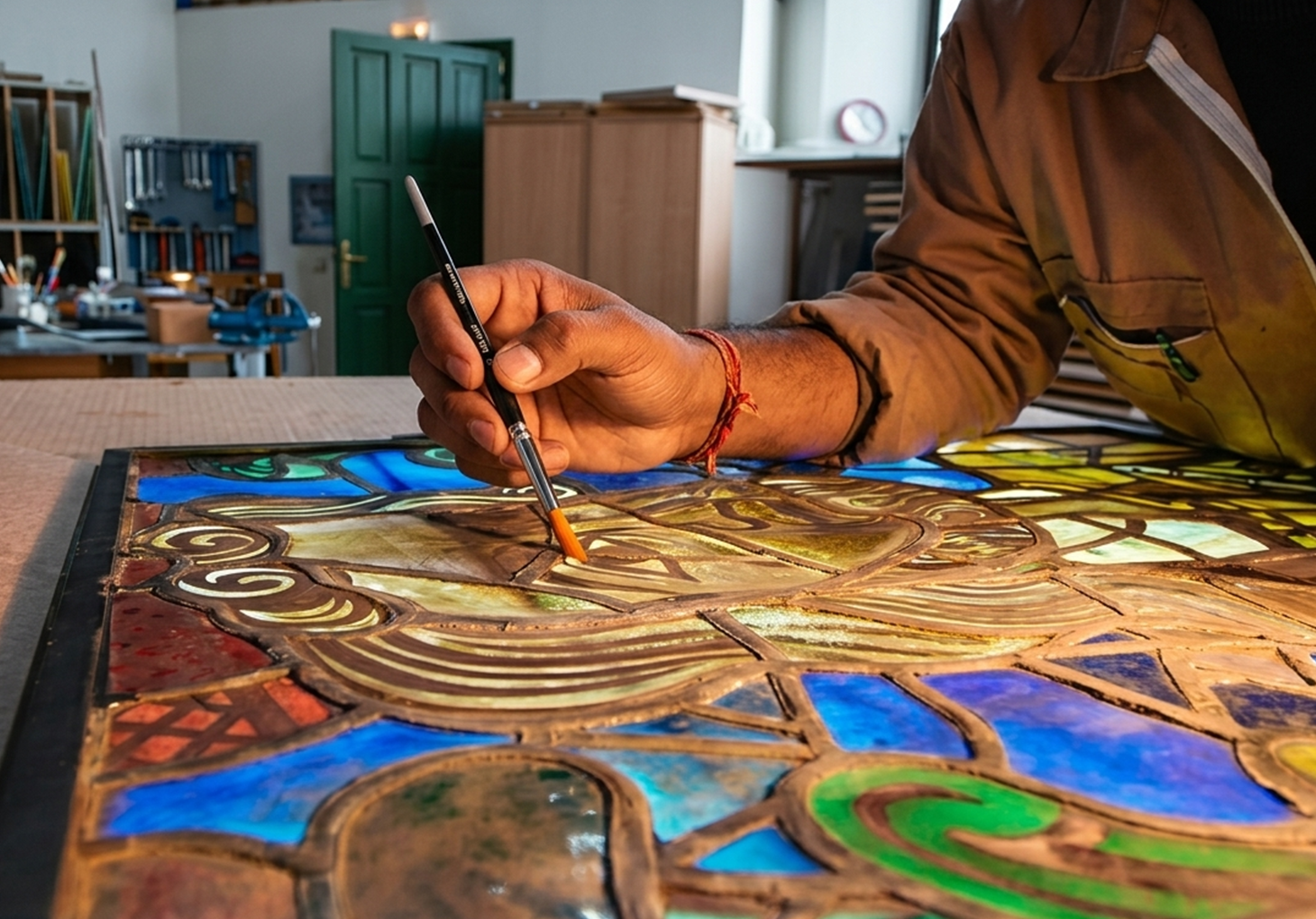

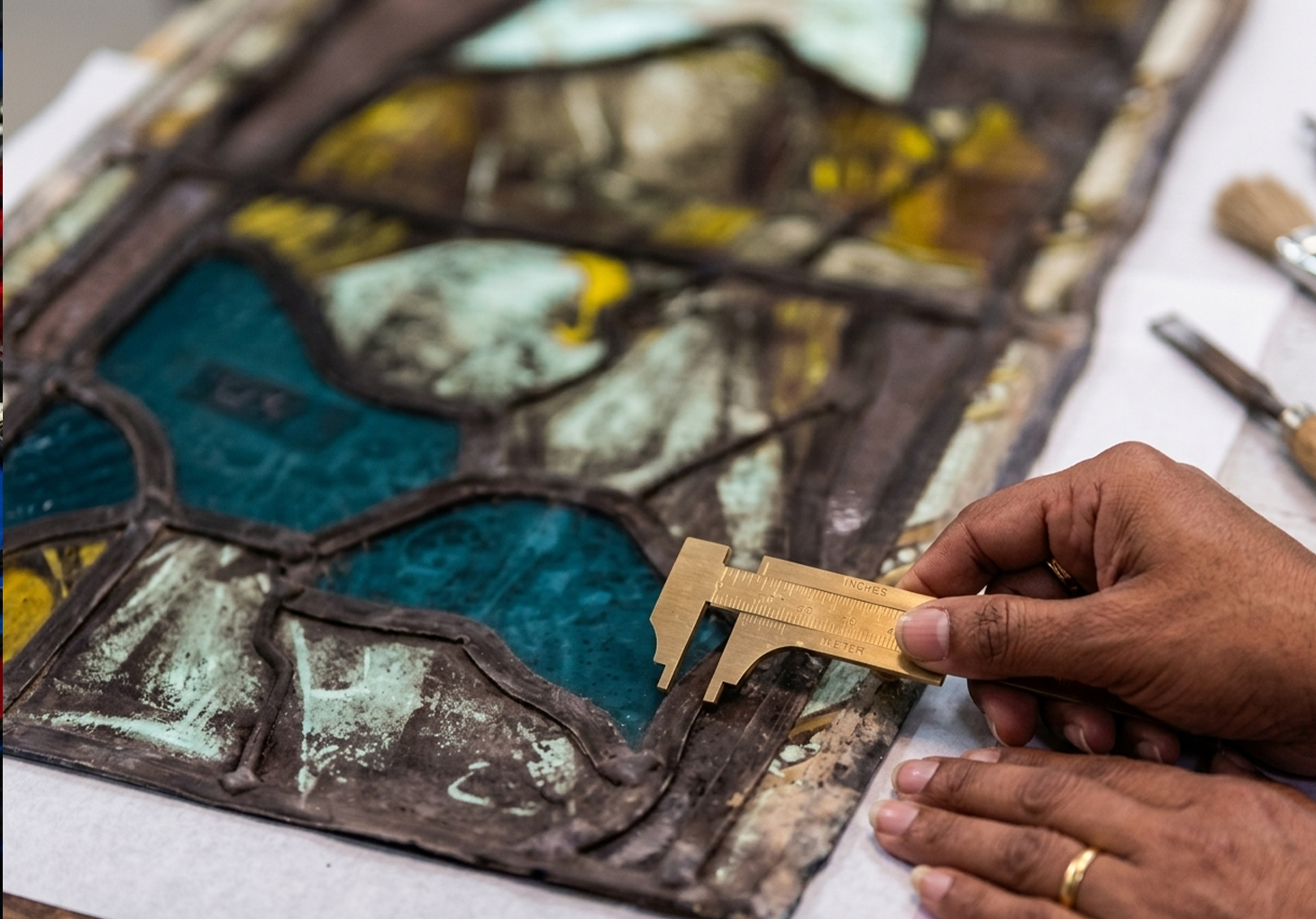


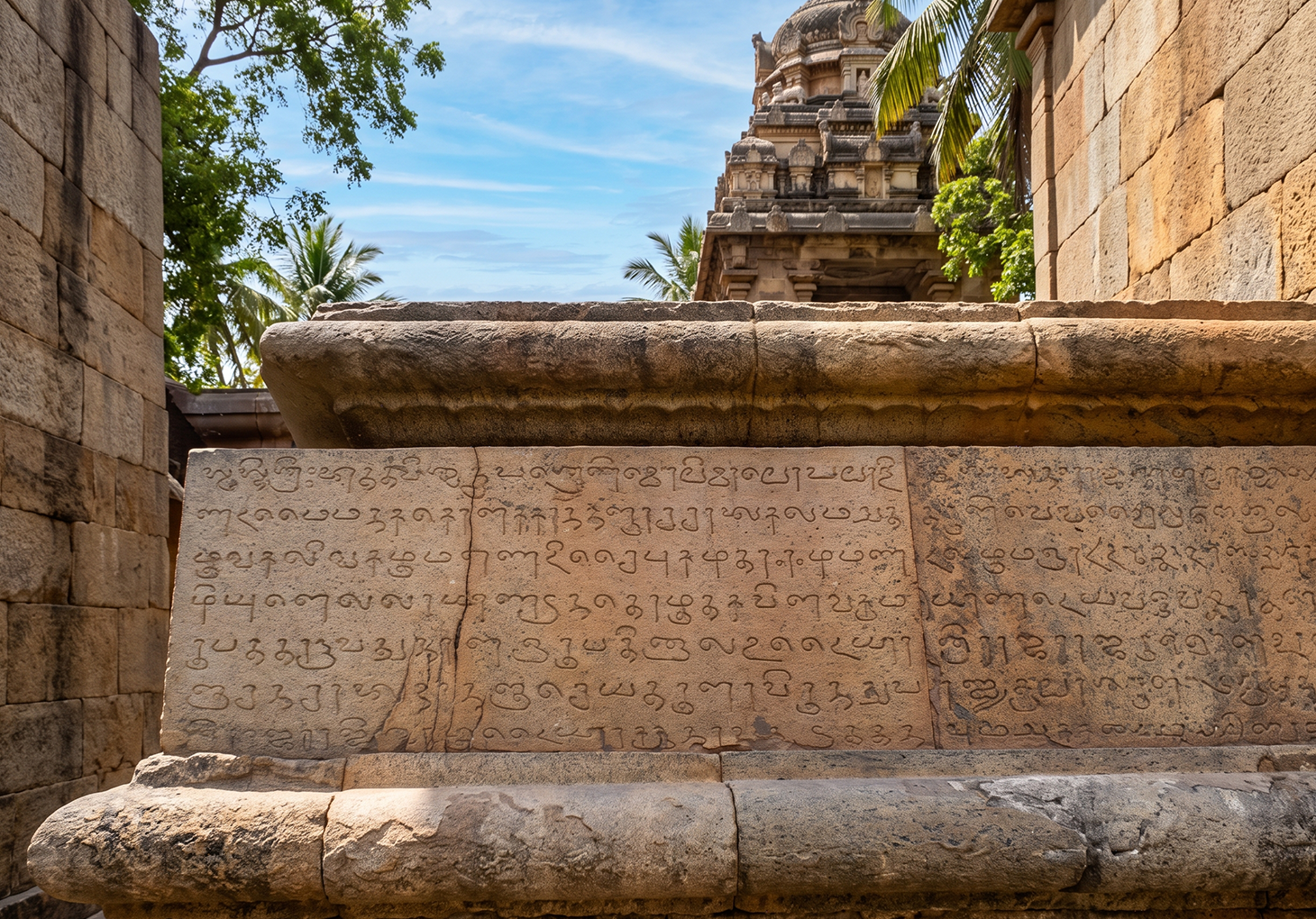
Epigraphy Study – Highness Park Padmanabhapuram
Every inscription carries a voice from the past—sometimes a name, a date, a belief, or a record of an event that might otherwise have been forgotten. At Highness Park, practical learning in epigraphy helps participants understand how inscriptions are observed, documented, read, compared, dated, and interpreted with care and historical awareness.
Whether you are a student, researcher, historian, archaeology enthusiast, heritage professional, or curious traveller, the experience offers a meaningful way to connect with scripts, languages, monuments, and regional history. Through guided observation and practical exposure, participants can better appreciate how epigraphy helps preserve historical evidence, cultural identity, and the stories of earlier generations for continued study and understanding.

Make every stay, celebration, and event more memorable at Highness Park Hotel; your welcoming destination for comfort, convenience, and meaningful experiences.