Archaeological Doctoral Reasearch Guidance – Highness Park Padmanabhapuram
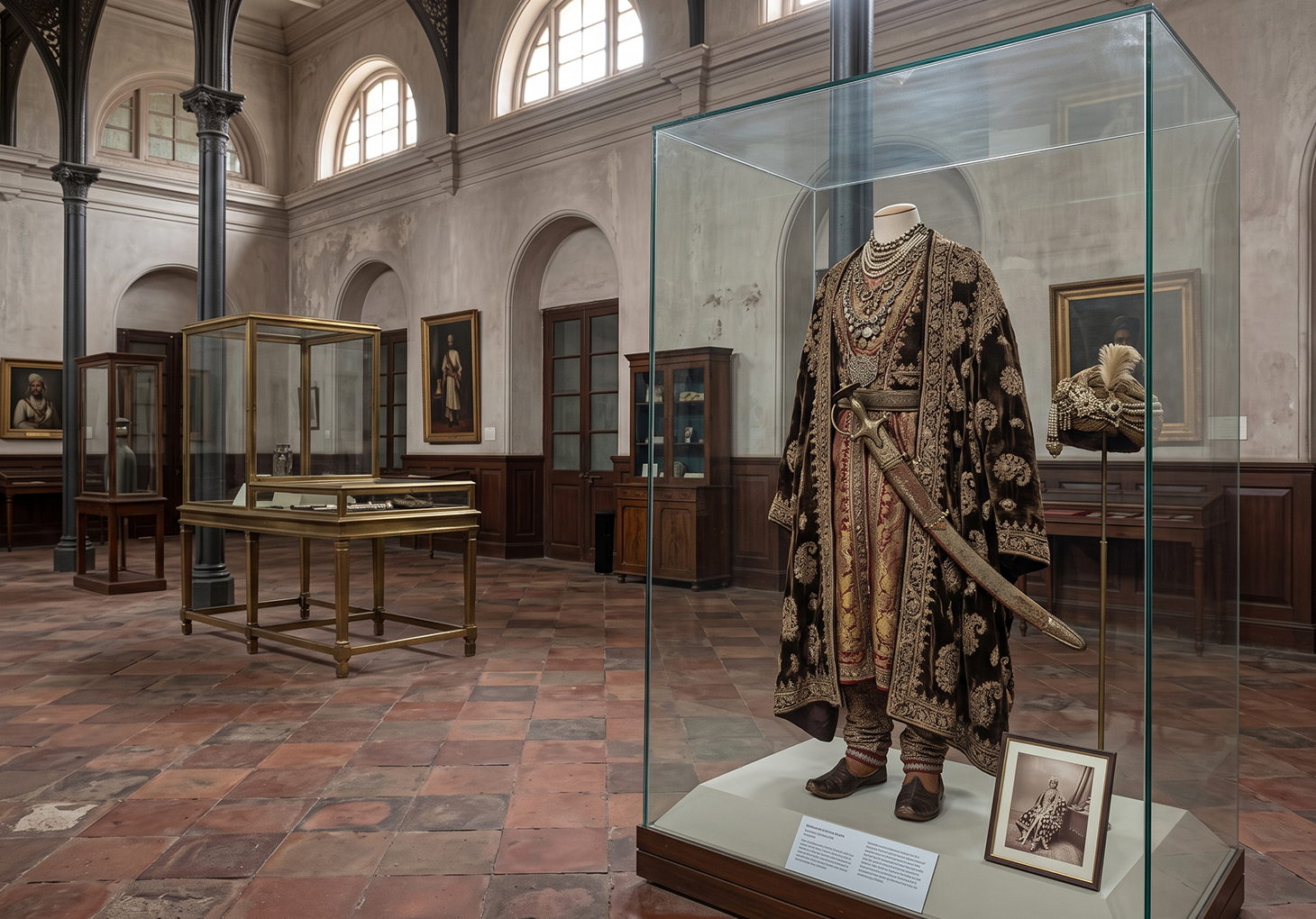
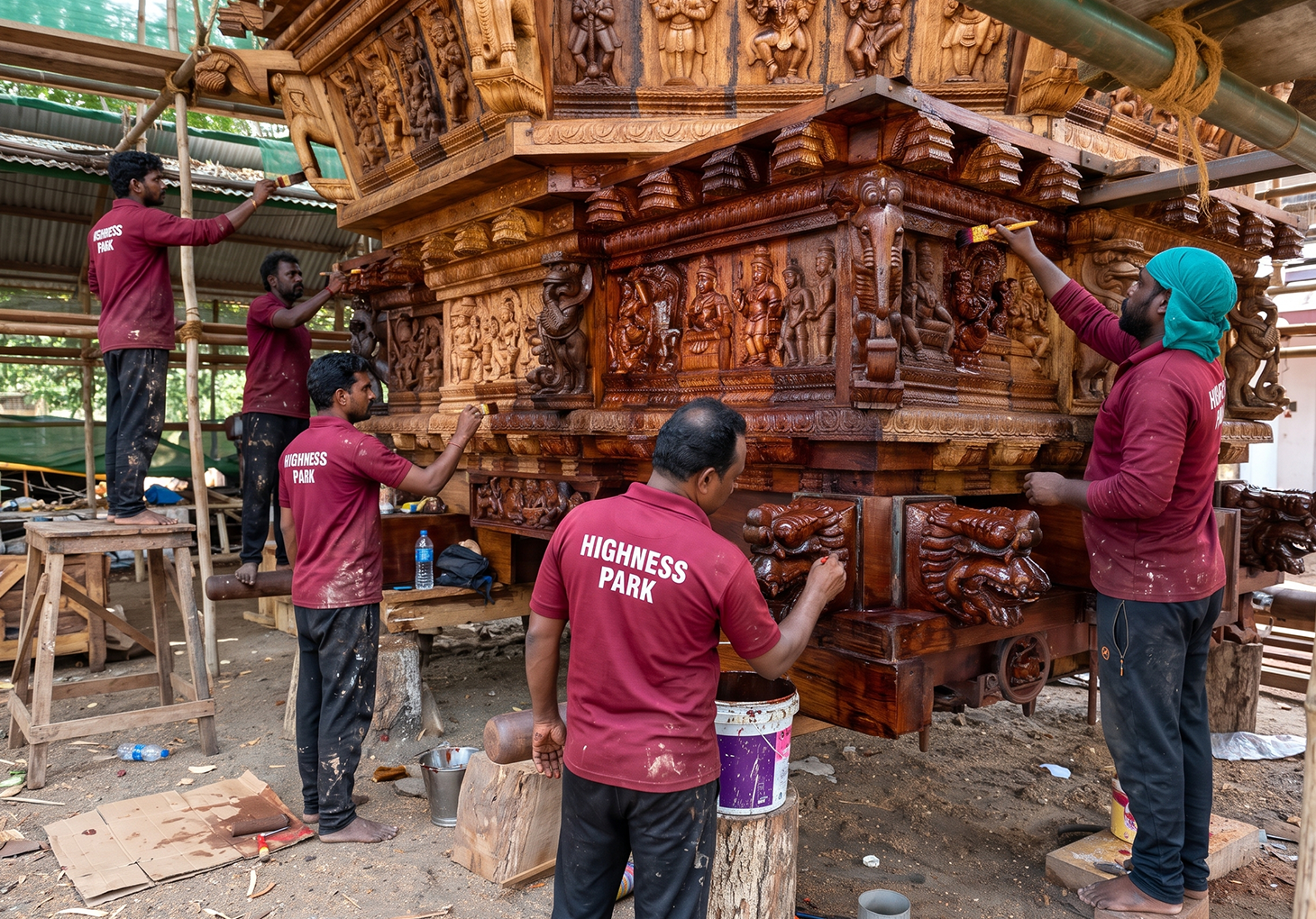
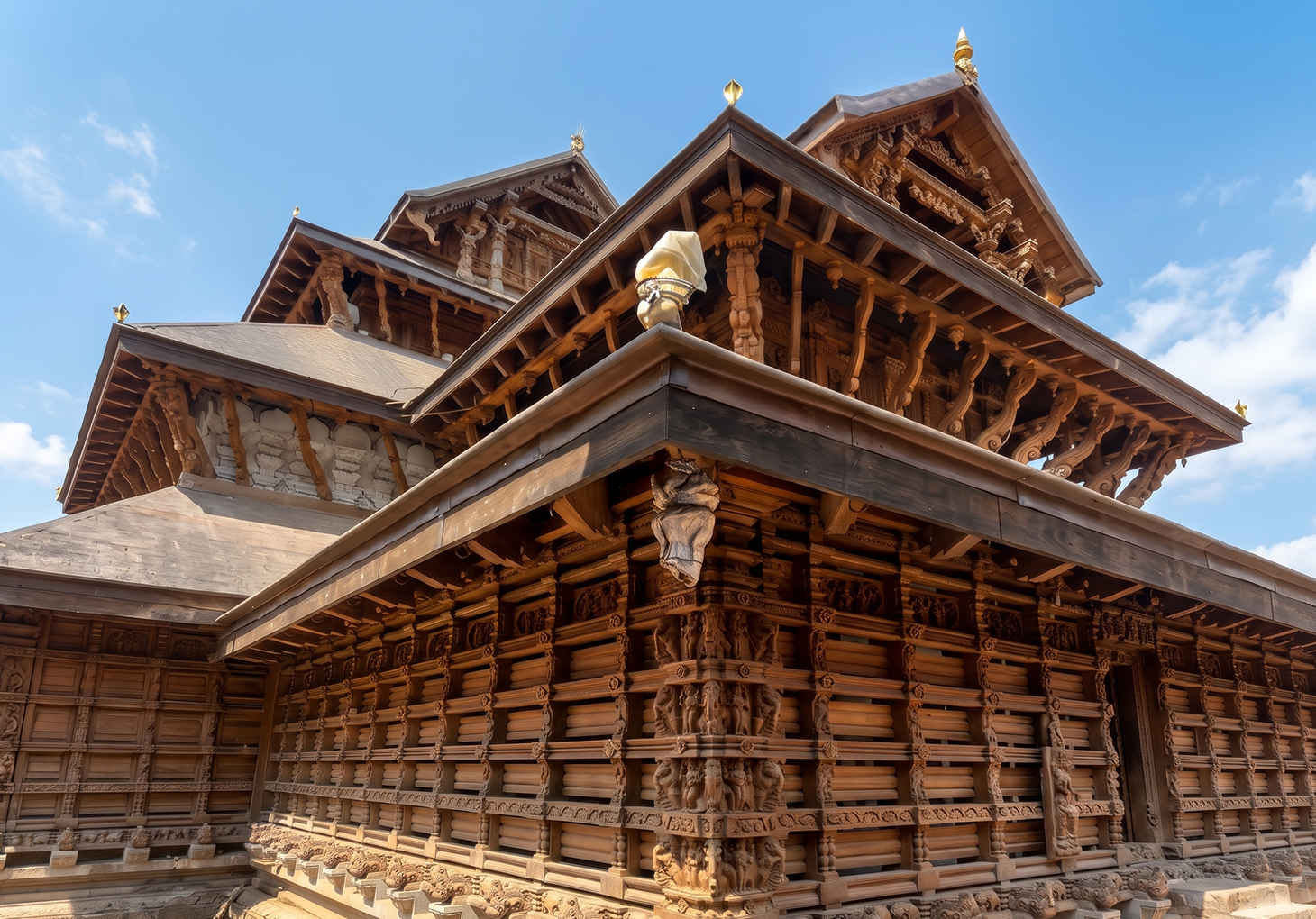
Doctoral research in archaeology requires clear direction, strong methodology, careful documentation, and meaningful interpretation. At Highness Park in Thuckalay, research scholars can access Archaeological Doctoral Research Guidance focused on developing research topics, research questions, methodology, fieldwork planning, documentation, analysis, interpretation, and academic structure. The guidance is suitable for PhD scholars, archaeology researchers, heritage professionals, historians, and interdisciplinary learners seeking focused support in shaping rigorous and relevant research connected with archaeology, heritage, material culture, monuments, inscriptions, conservation, and regional history.
Distance

IN TWO WHEELER

IN CAR
A strong doctoral study begins with a research topic that is clear, focused, relevant, and academically workable. At Highness Park, scholars can receive guidance in refining broad interests into meaningful research areas connected with archaeology, heritage, material culture, inscriptions, monuments, conservation, and regional history.
The process can help researchers consider research gaps, available evidence, field access, scope, originality, feasibility, and academic significance before finalising a topic. This gives PhD scholars and archaeology researchers a stronger foundation for developing focused questions and building a study that remains manageable, well-defined, and relevant throughout the doctoral journey.
Archaeological Doctoral Reasearch Guidance – Highness Park Padmanabhapuram
Effective doctoral research depends on well-defined research questions, an appropriate methodology, and realistic fieldwork planning. At Highness Park, scholars can receive guidance in aligning research objectives, evidence sources, field methods, documentation techniques, sampling approaches, site visits, interviews, surveys, and analytical frameworks with the needs of their archaeological study. Careful planning also helps researchers consider time, access, ethics, permissions, logistics, and data quality before fieldwork begins. This structured approach enables PhD scholars and archaeology researchers to gather relevant evidence and build a stronger foundation for analysis, interpretation, and academic writing.
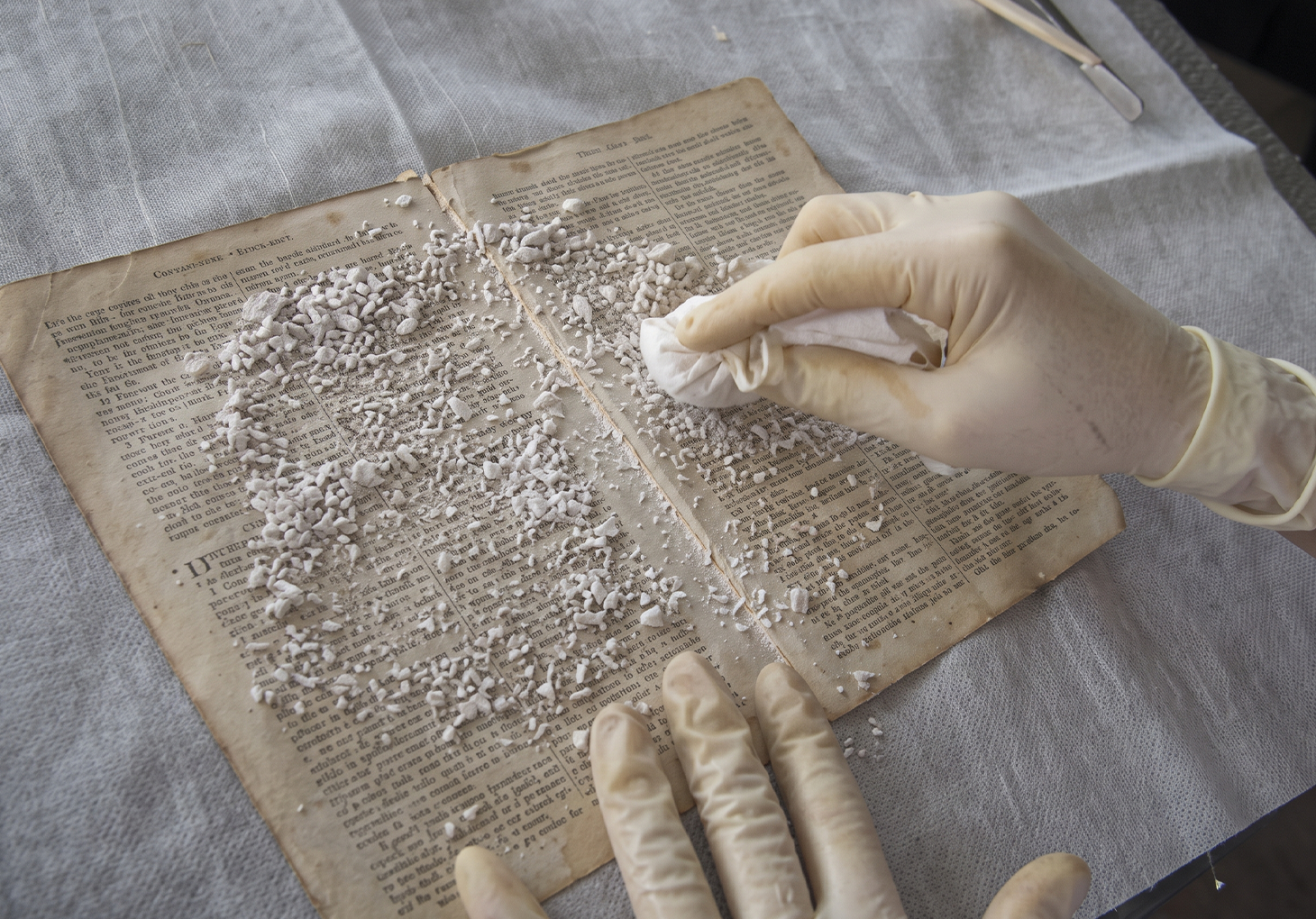
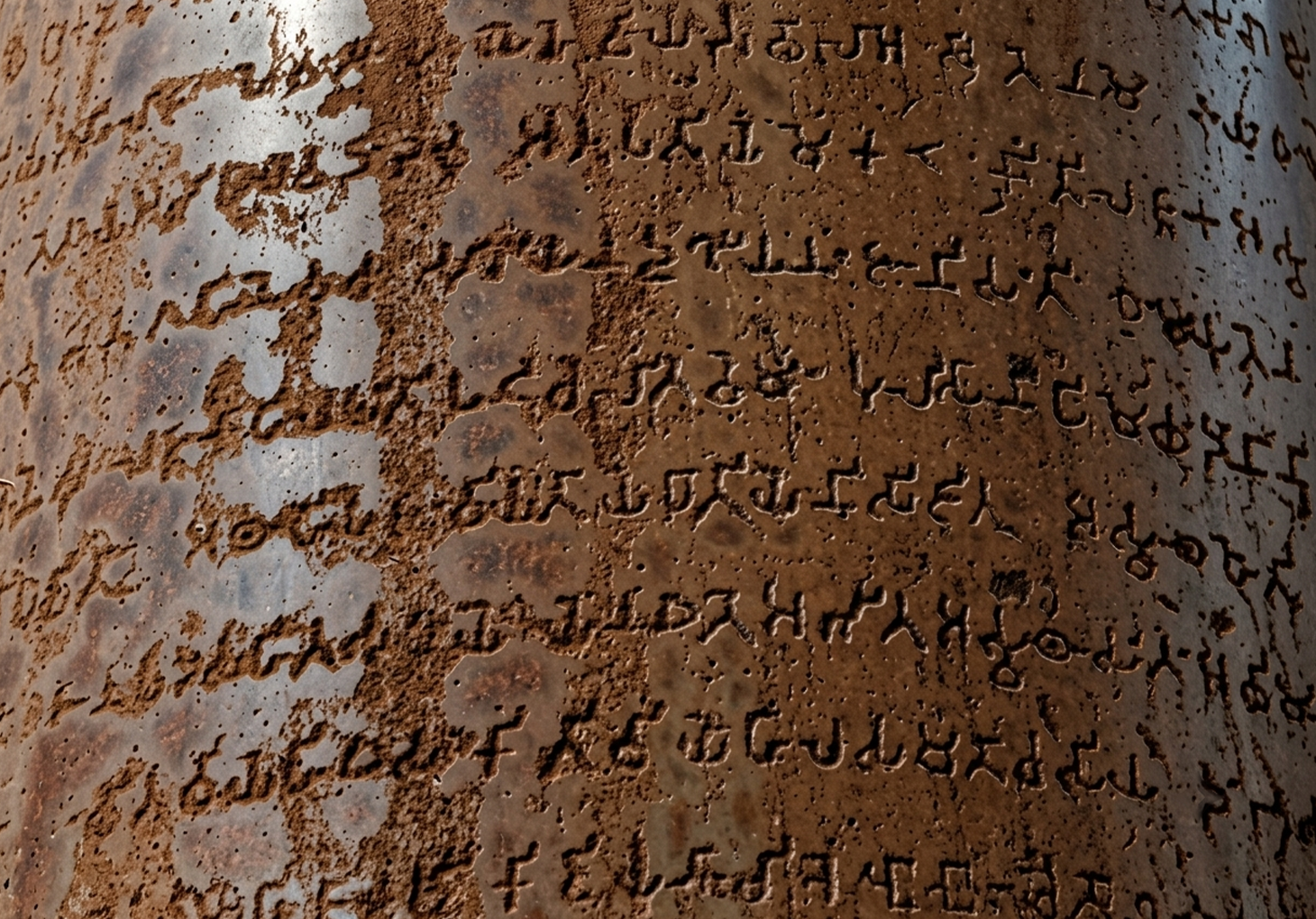
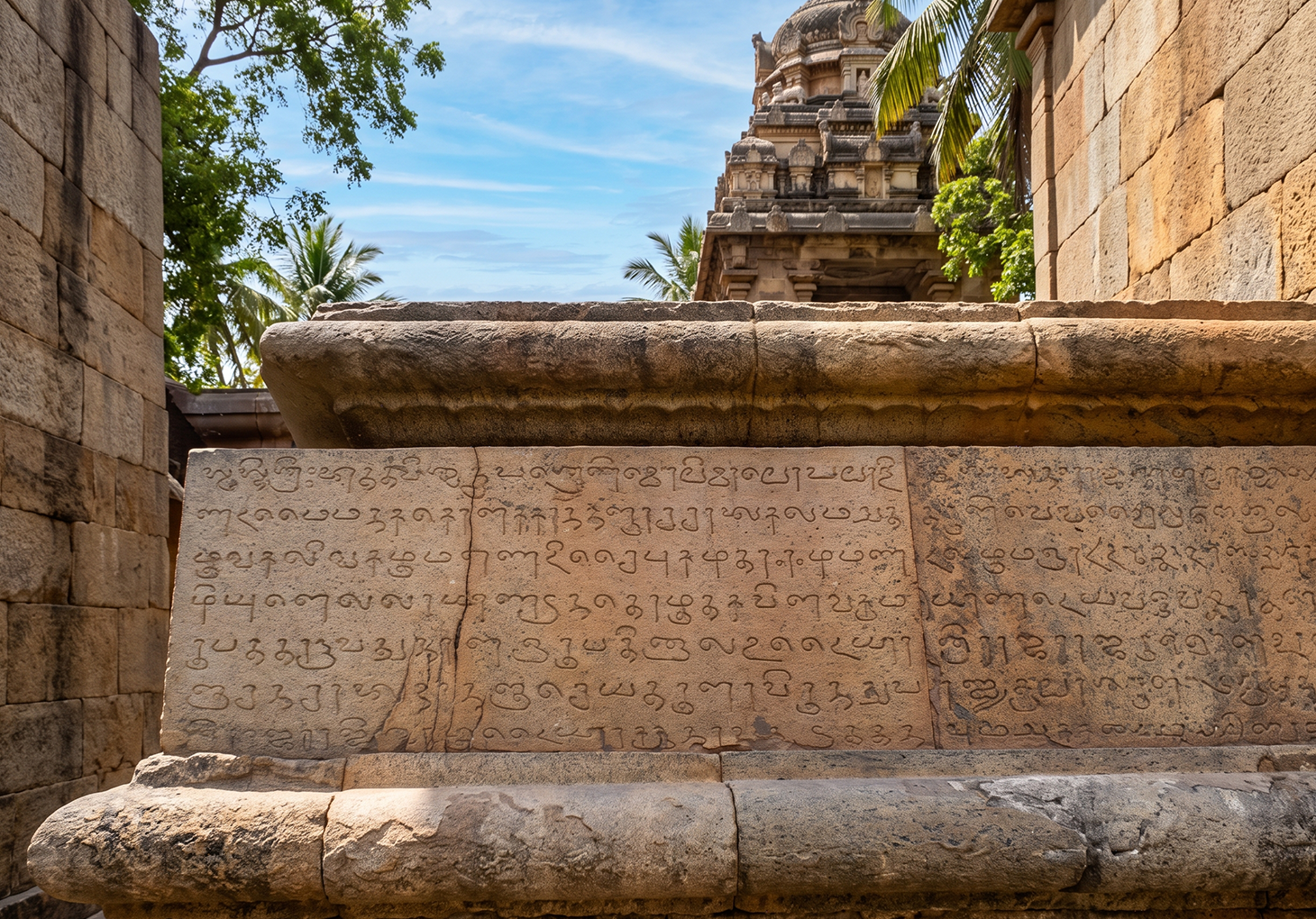
Strong archaeological research depends on accurate documentation, careful analysis, and interpretation that is firmly connected to evidence. At Highness Park, scholars can receive guidance in organising field notes, photographs, drawings, site records, inscriptions, artefact data, references, and research observations so that information remains clear and academically usable.
The guidance also supports comparative analysis, contextual interpretation, chronology, material understanding, and evidence-based argument development. By learning how to connect field findings, historical sources, archaeological data, and existing scholarship, PhD researchers can strengthen the clarity of their conclusions and build a more coherent foundation for chapters, discussions, academic writing, and doctoral submission.

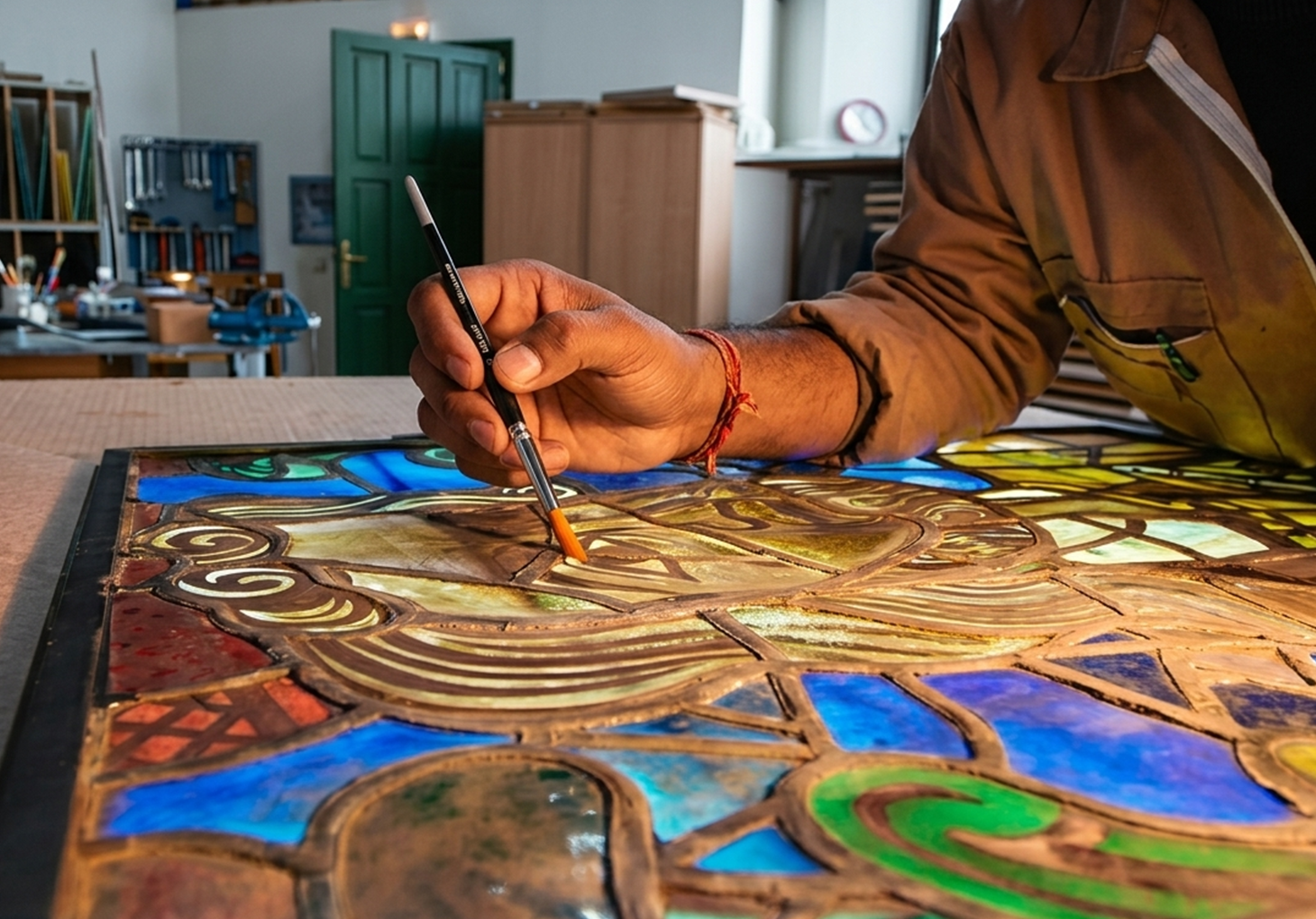

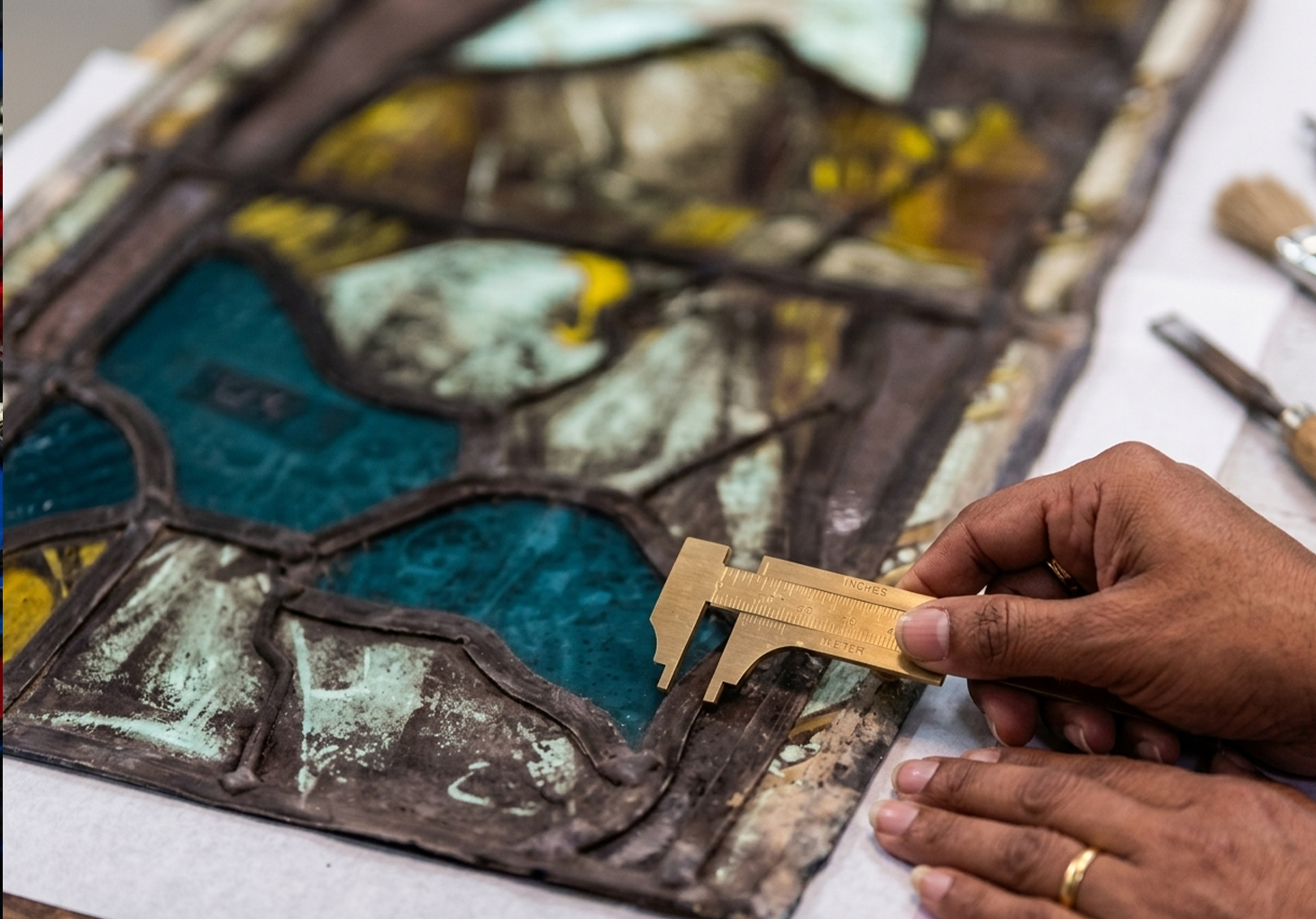

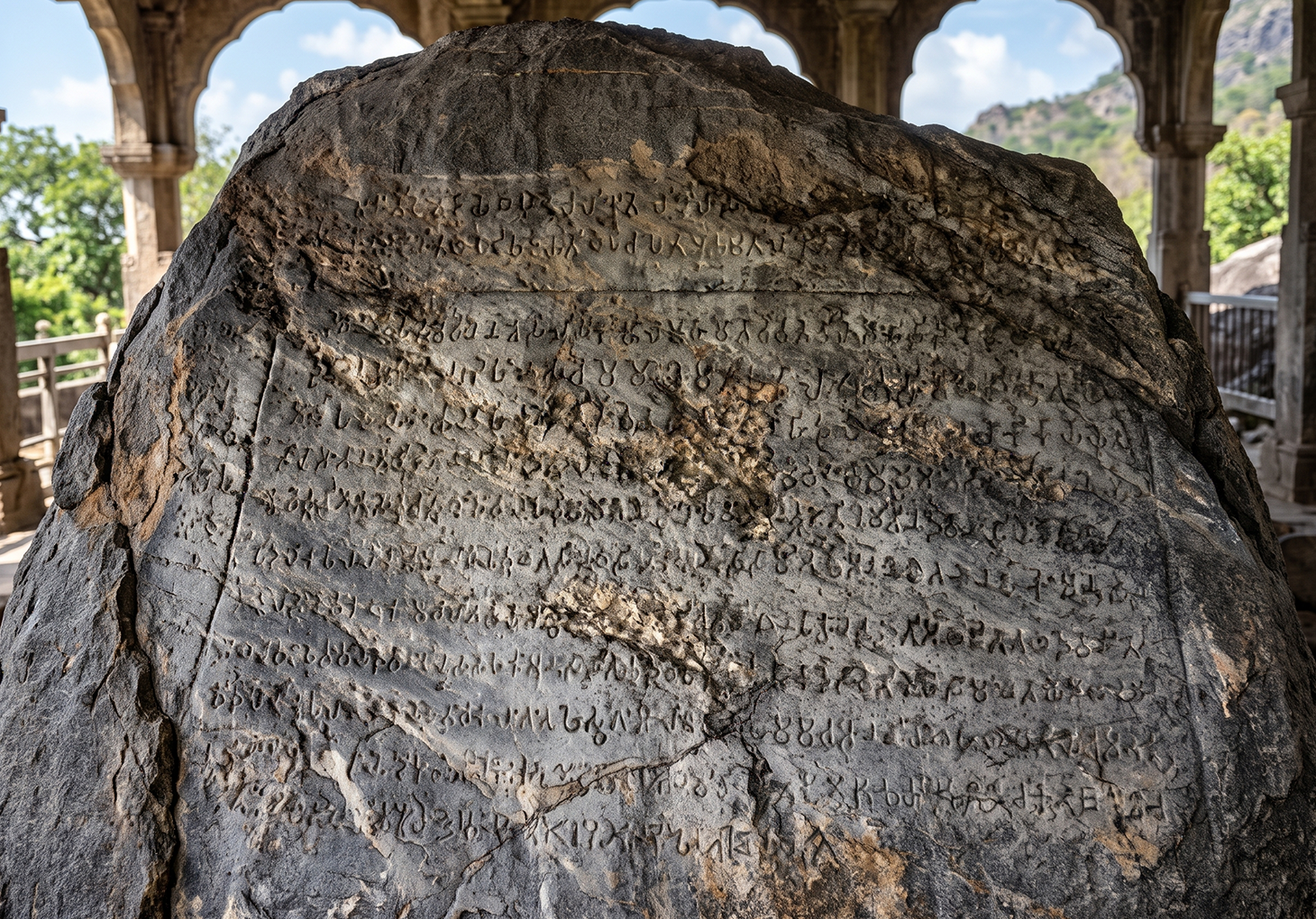
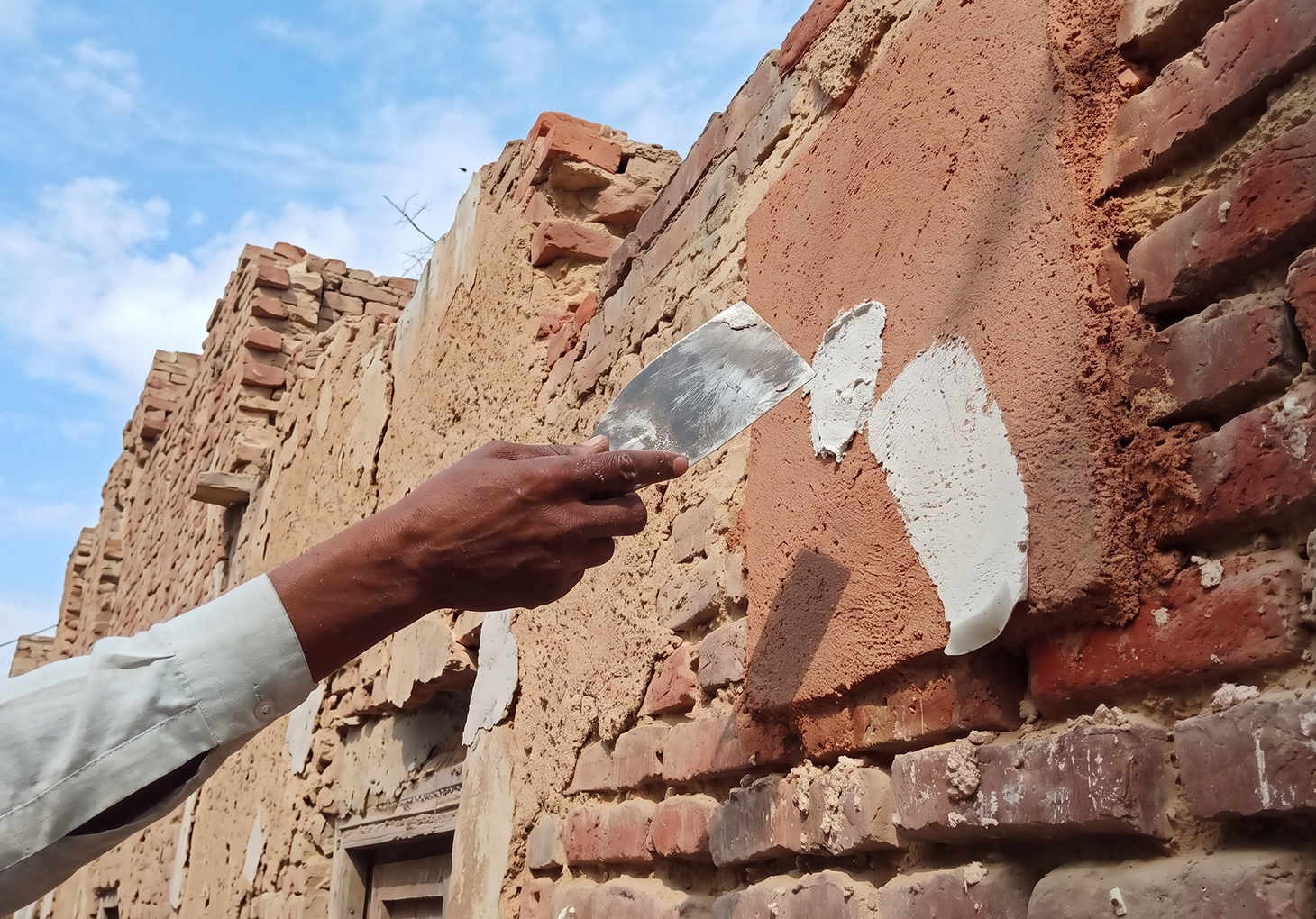
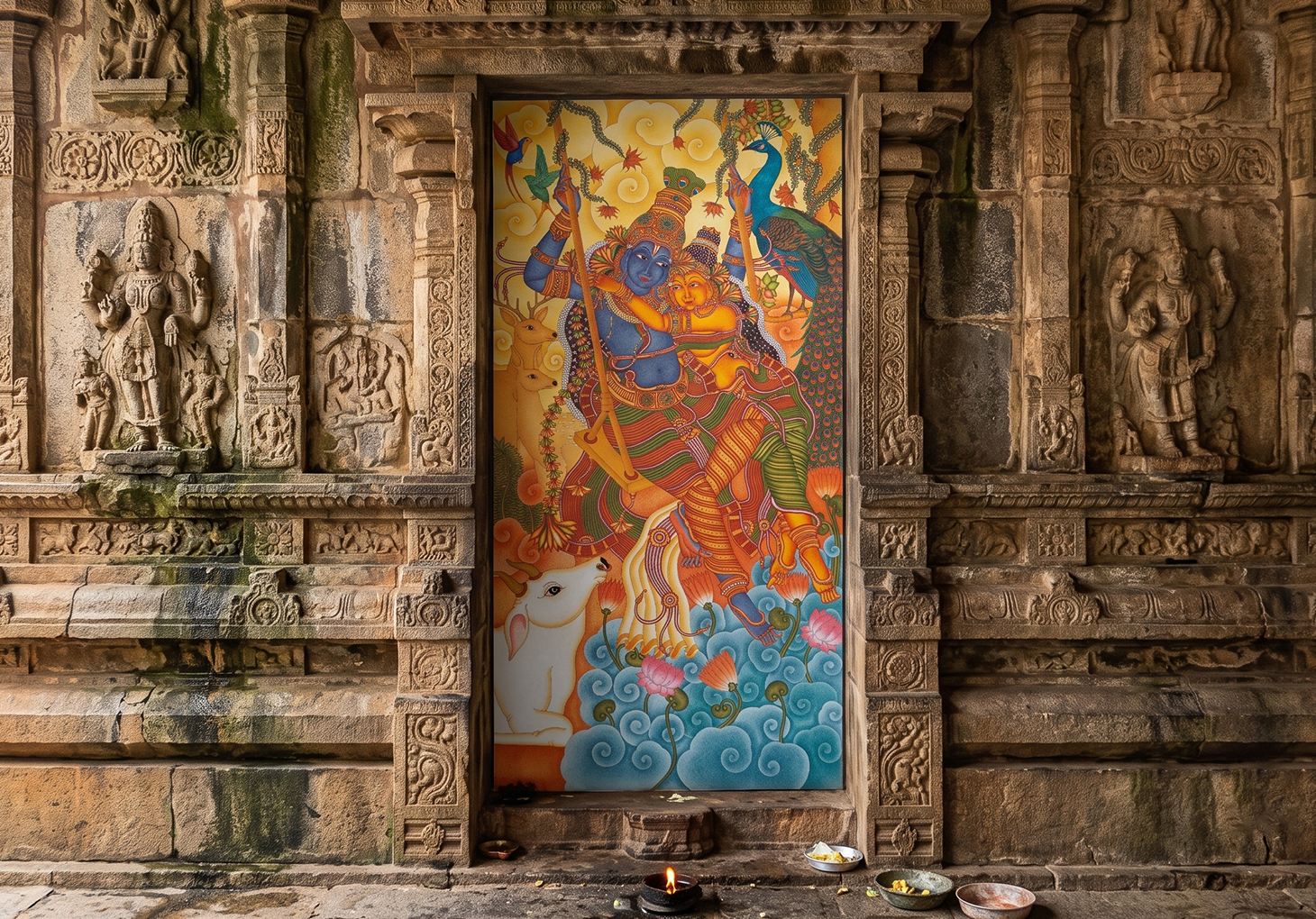
Doctoral Reasearch Guidance for Mural Paintings – Highness Park Padmanabhapuram
Doctoral research is a long academic journey, and the right guidance can make each stage more purposeful. At Highness Park, scholars can receive focused support to refine their research direction, methodology, fieldwork planning, documentation, analysis, interpretation, and academic structure, helping them move forward with greater clarity and confidence.
Whether you are working on archaeology, heritage, inscriptions, monuments, conservation, material culture, or regional history, the guidance is designed to support thoughtful and independent research. Through structured discussion, critical review, and research-focused mentoring, PhD scholars can strengthen their academic approach, address gaps more effectively, and develop work that reflects careful evidence, clear reasoning, and meaningful scholarly contribution.

Make every stay, celebration, and event more memorable at Highness Park Hotel; your welcoming destination for comfort, convenience, and meaningful experiences.