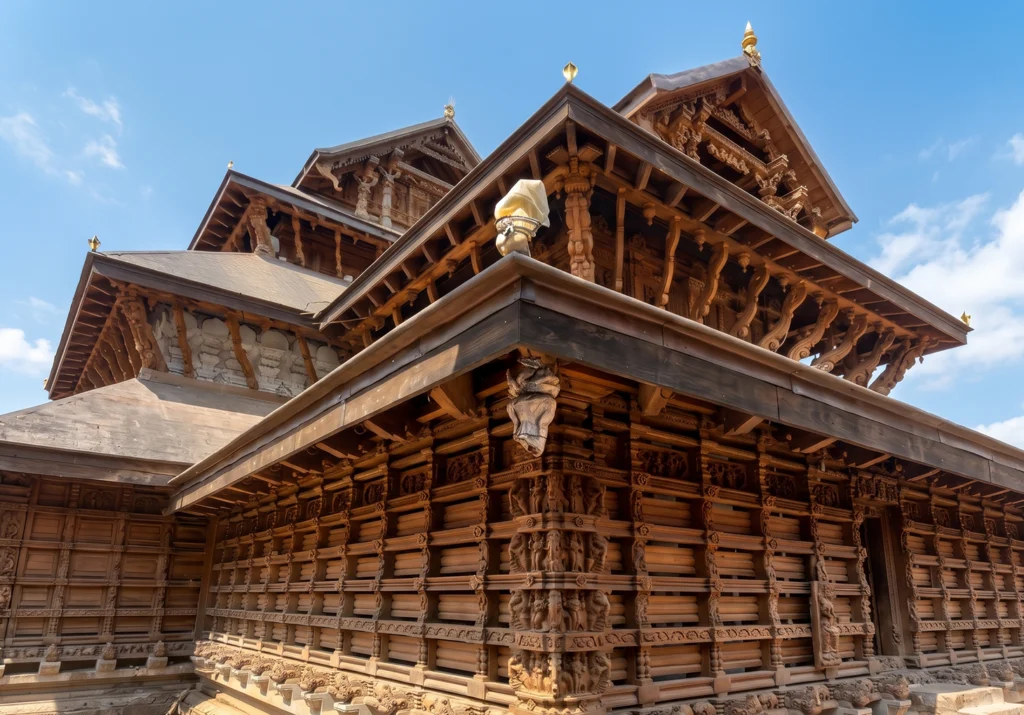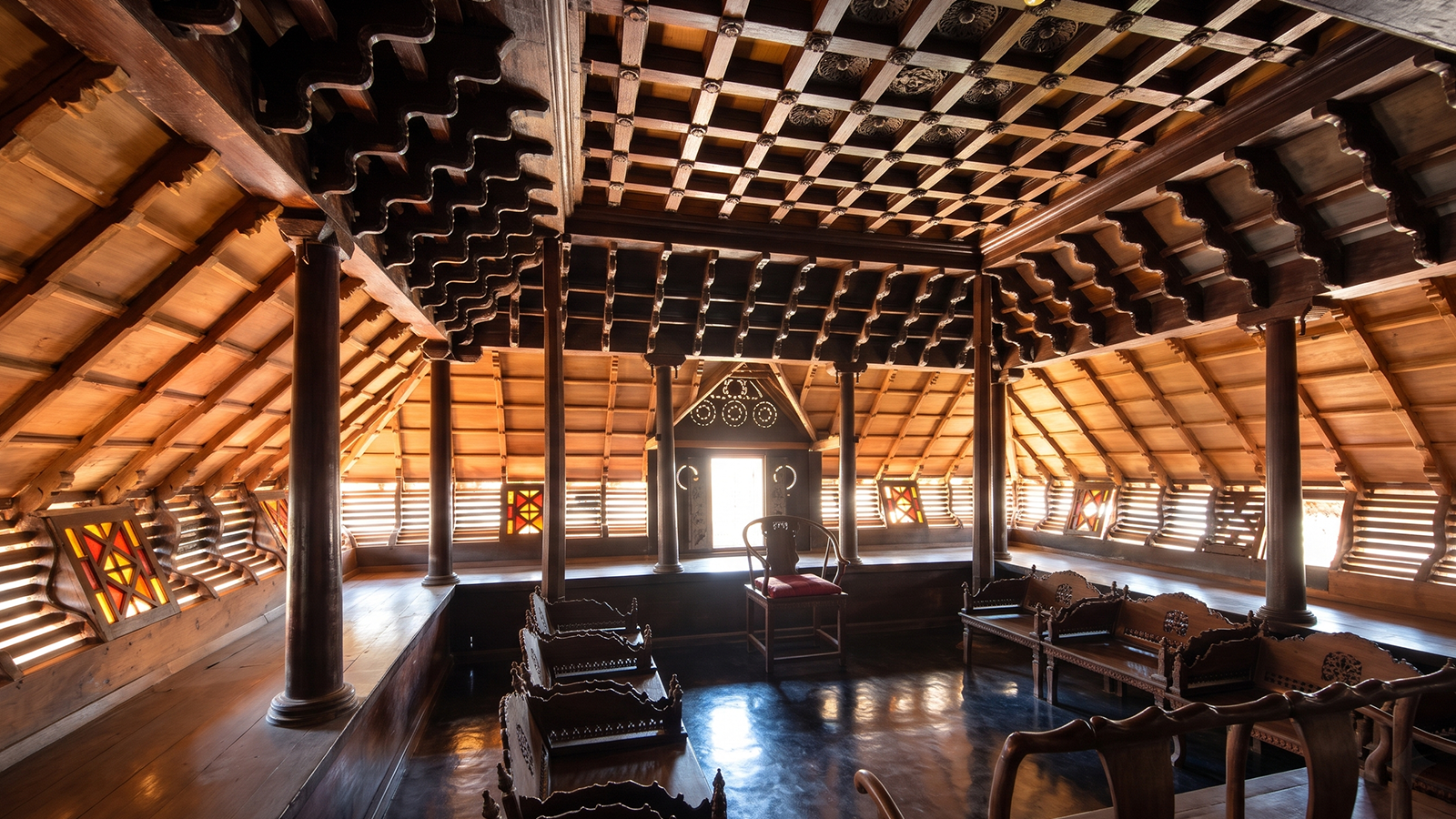
Wood Preservation – Highness Park Padmanabhapuram
Historic timber carries the marks of traditional craftsmanship, construction methods, and cultural heritage, but it can weaken over time through moisture, insects, fungal growth, weathering, and poor maintenance. At Highness Park in Thuckalay, participants can explore traditional wood preservation through guided learning focused on condition assessment, cleaning, stabilisation, protective treatment, and preventive conservation. These wood preservation sessions at Highness Park are suitable for students, architects, researchers, conservation professionals, craftsmen, and heritage enthusiasts interested in understanding how historic timber, wooden architectural elements, furniture, and decorative features can be carefully protected and preserved.

Distance
IN TWO WHEELER

IN CAR
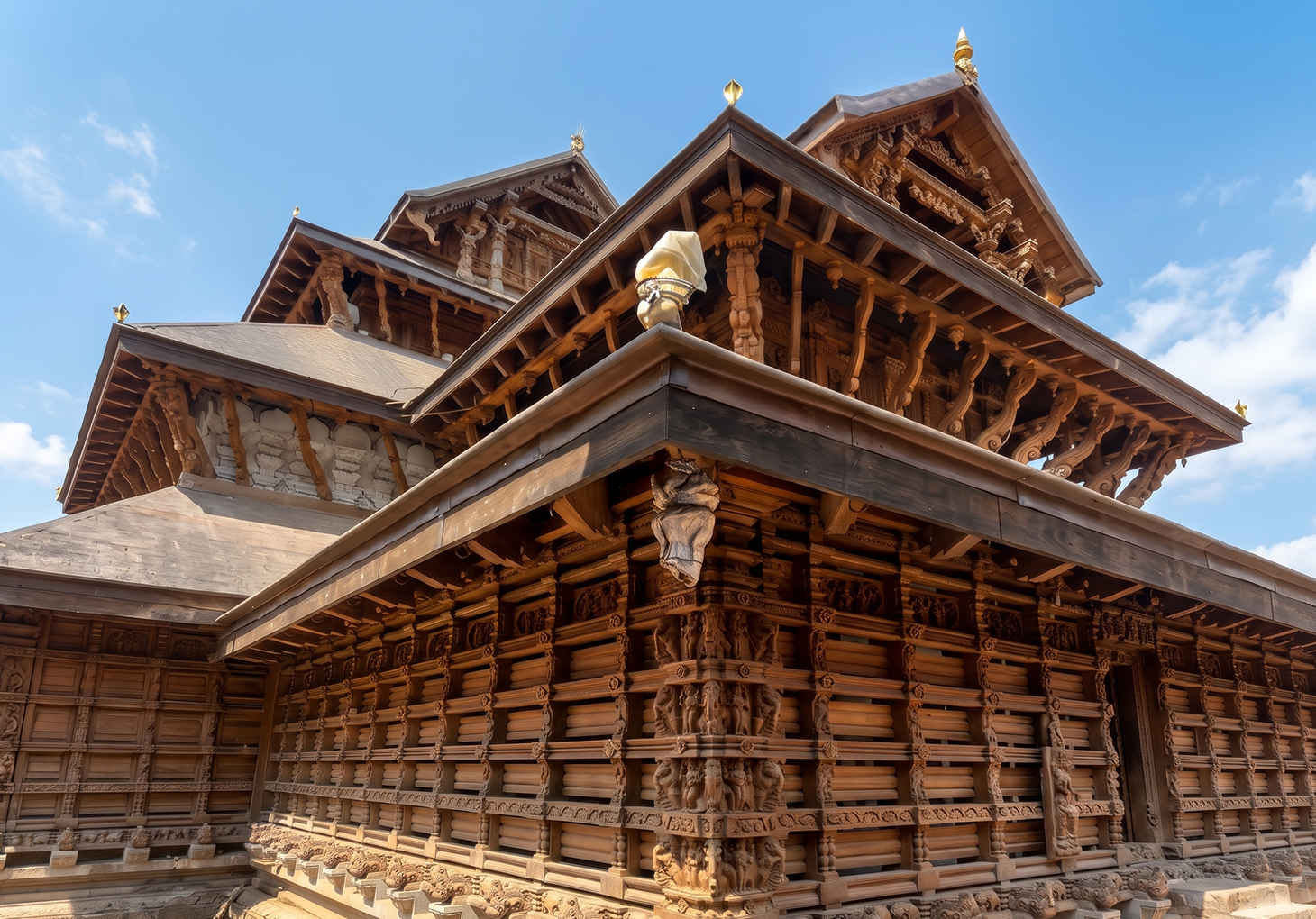
Historic timber can deteriorate gradually through moisture, humidity, insects, fungal growth, sunlight, temperature changes, structural movement, and poor maintenance. Over time, these conditions may lead to cracking, warping, discolouration, surface erosion, weakened joints, and loss of strength, affecting both appearance and structural stability.
At Highness Park, participants can learn how to recognise these signs and understand how environmental conditions, biological activity, age, and previous treatments influence wooden materials. This knowledge helps learners appreciate why regular inspection, early identification, material assessment, and preventive conservation are essential for protecting historic timber, traditional wooden structures, furniture, and decorative elements.
Wood Preservation – Highness Park Padmanabhapuram
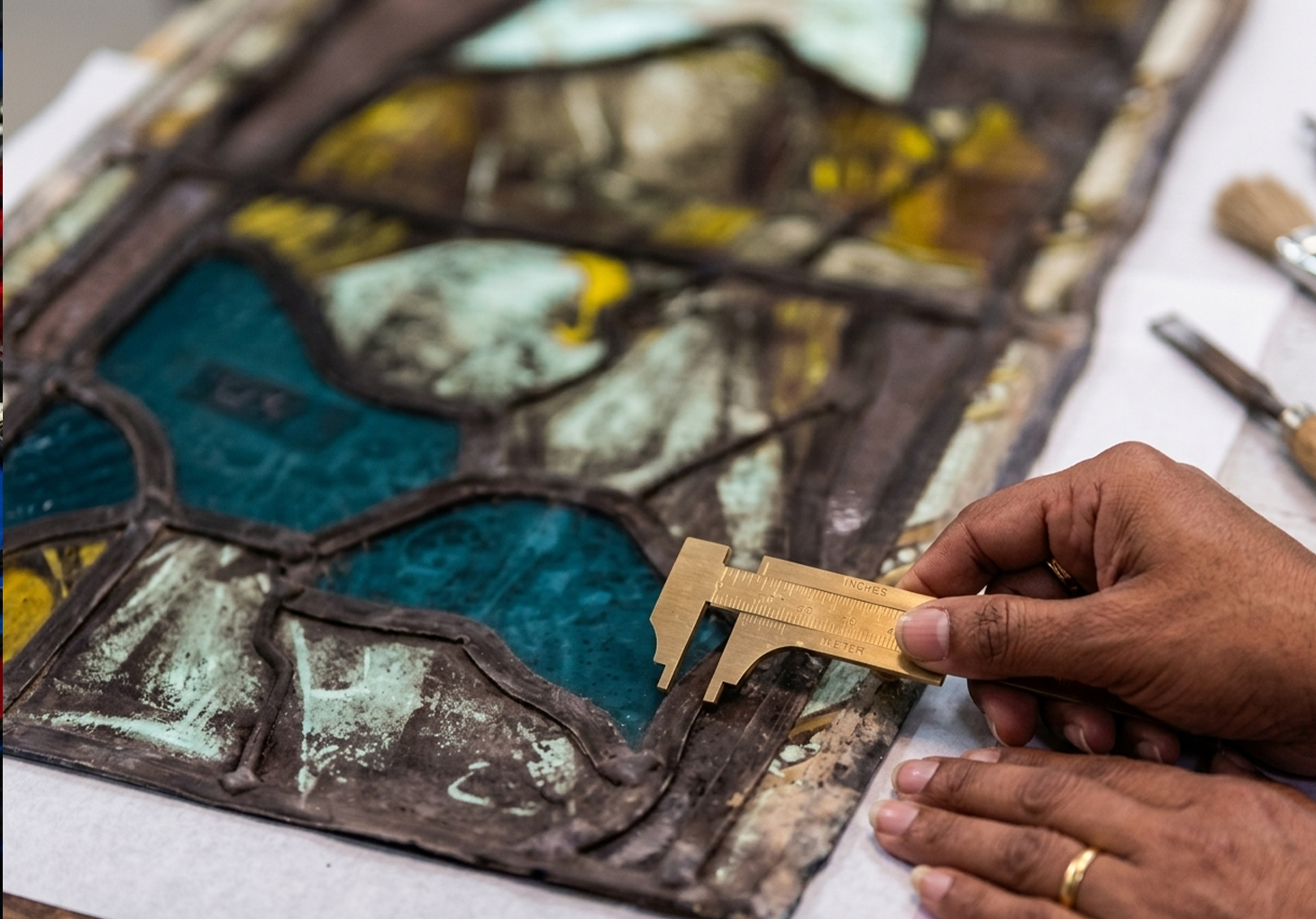
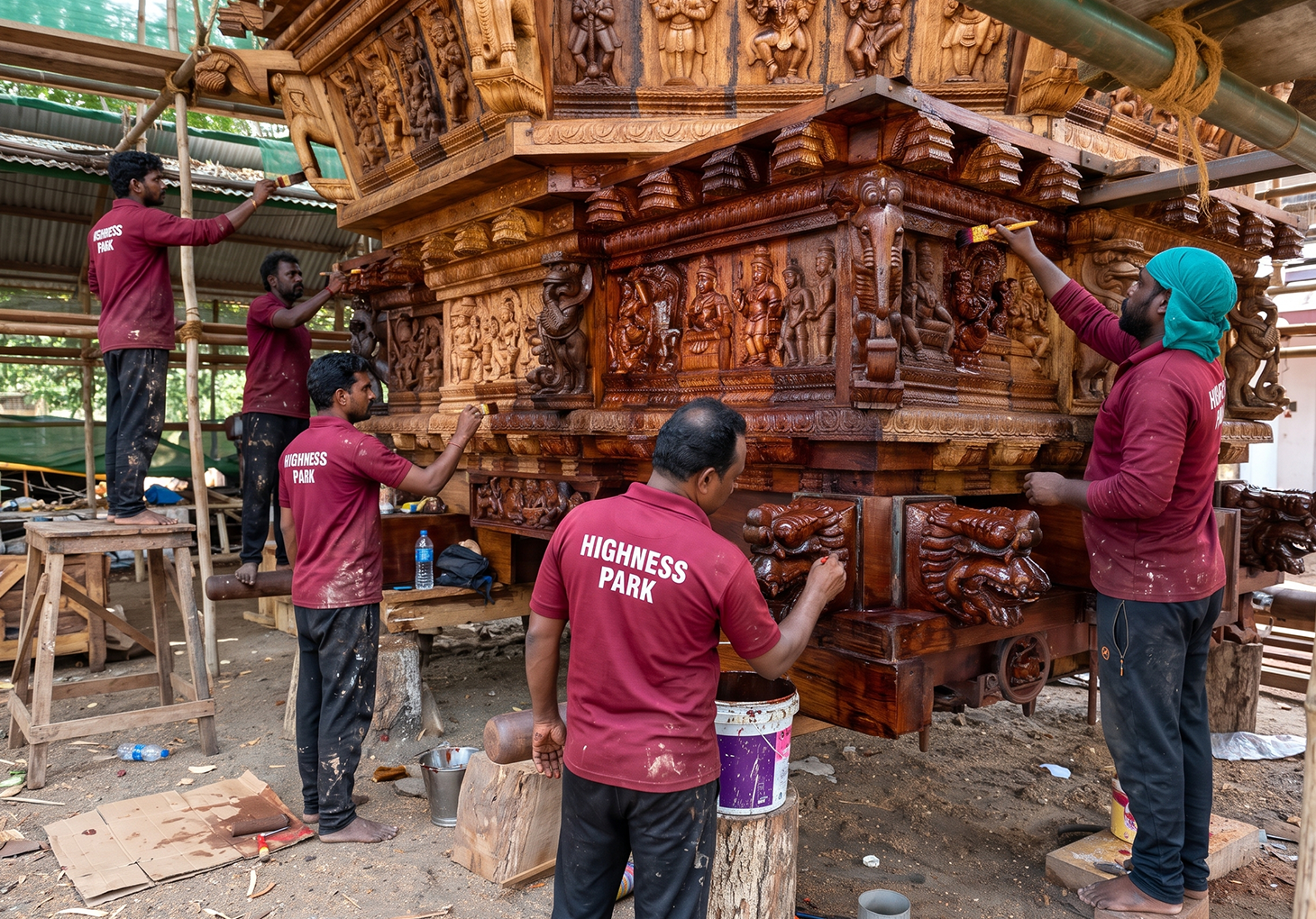
Before any preservation work begins, wooden elements need to be carefully examined for cracks, insect activity, fungal growth, moisture damage, surface deposits, weakened joints, and previous repairs. At Highness Park, participants can learn how condition assessment, documentation, gentle cleaning, structural support, and stabilisation are approached with care. Through guided practical exposure, learners can understand why each treatment must respect the original timber, joinery, surface finish, and craftsmanship, helping protect the strength, appearance, and historic character of wooden structures and decorative elements.
Effective wood preservation depends on choosing treatments that suit the condition, age, species, surface finish, and original construction of the timber. At Highness Park, participants can explore approaches to surface protection, moisture control, insect management, fungal prevention, structural support, and compatible treatments used in heritage conservation.
The sessions also introduce preventive conservation methods such as regular inspection, ventilation, environmental monitoring, careful cleaning, and timely maintenance. Through guided practical learning, participants can understand how thoughtful treatment and ongoing care help protect the strength, appearance, craftsmanship, and historic value of wooden structures, furniture, and decorative elements.

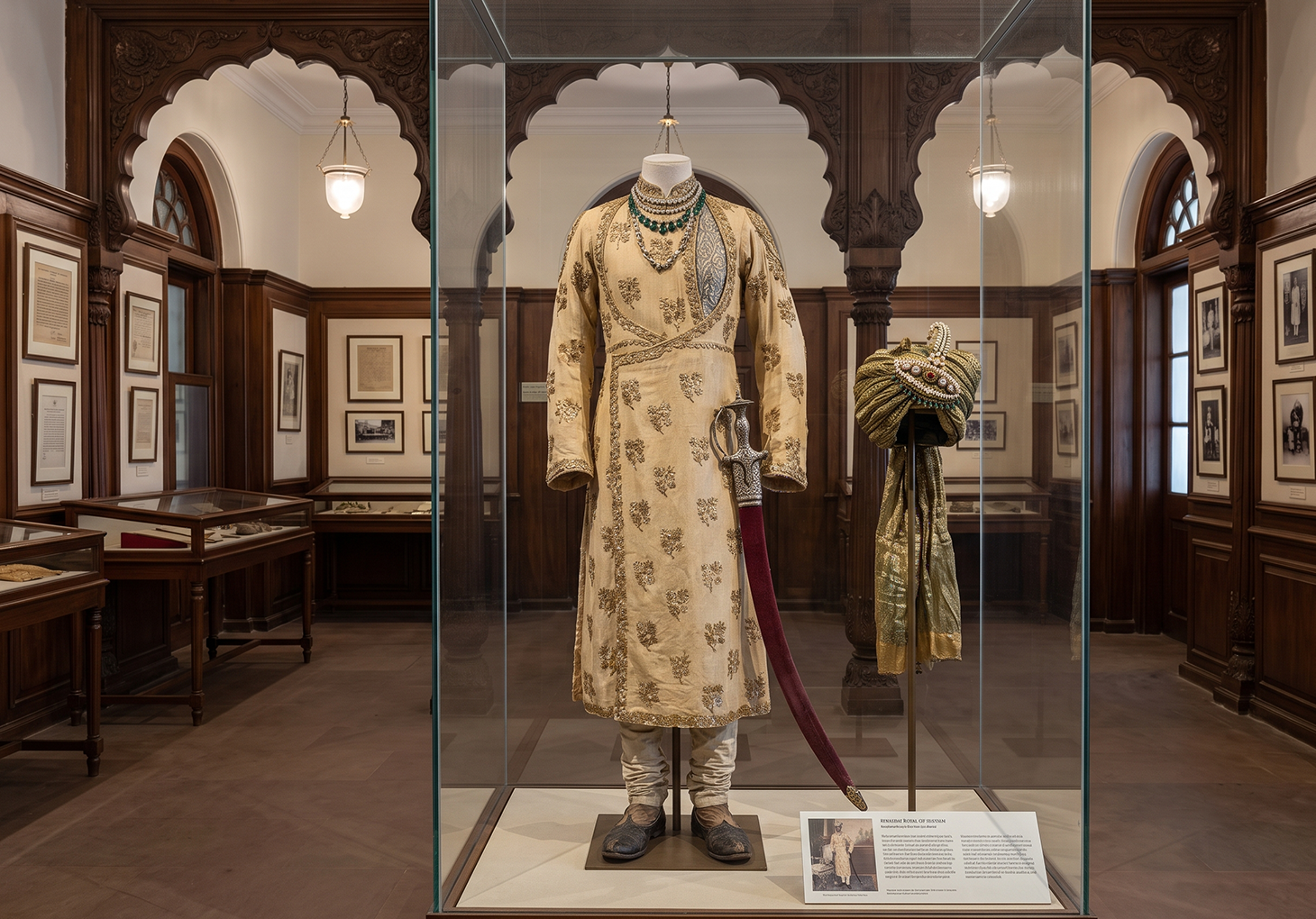



Heritage Conservation Training – Highness Park Padmanabhapuram
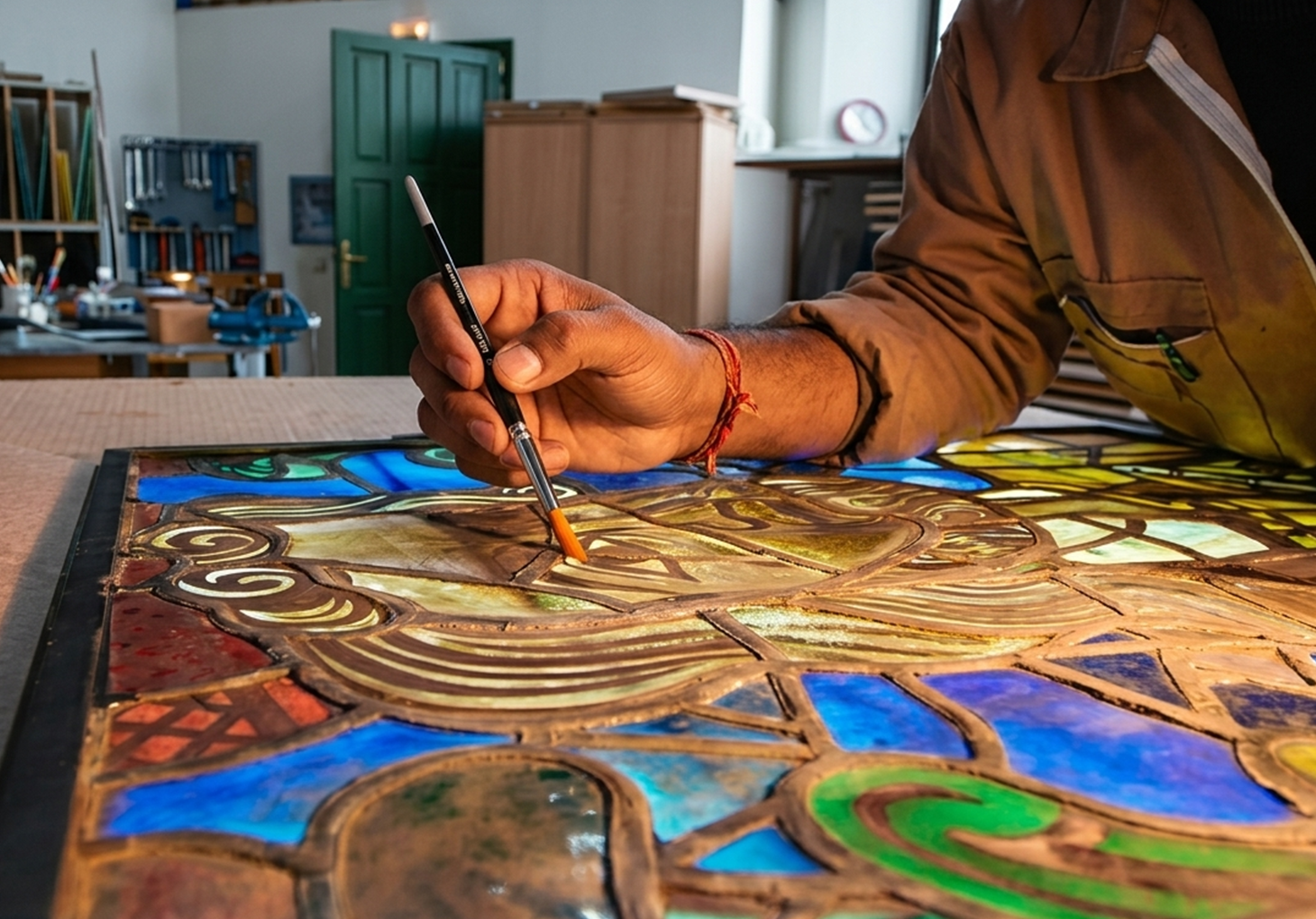
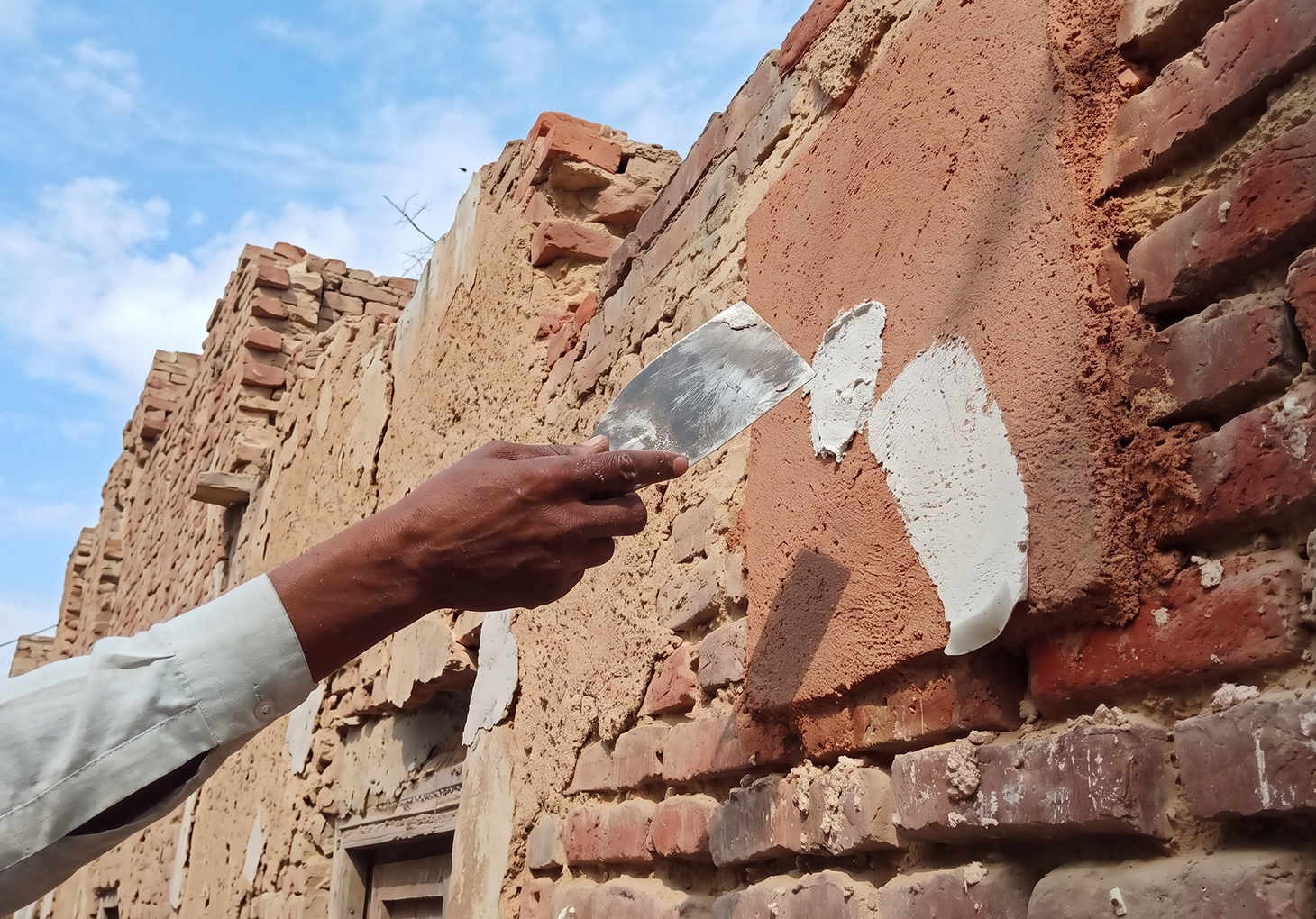
Every piece of historic wood carries evidence of craftsmanship, construction methods, age, and use. At Highness Park, practical learning in wood preservation helps participants understand how timber is examined, cleaned, stabilised, treated, protected, and monitored while respecting its original material, finish, joinery, and character.
Whether you are a student, architect, researcher, craftsman, conservation professional, or heritage enthusiast, the experience offers a meaningful way to understand the care behind traditional timber structures, furniture, and decorative elements. Through guided observation and practical exposure, participants can appreciate how thoughtful preservation helps protect the strength, beauty, craftsmanship, and cultural value of wood for future generations.

Make every stay, celebration, and event more memorable at Highness Park Hotel; your welcoming destination for comfort, convenience, and meaningful experiences.