Lime Mortar Conservation – Highness Park Padmanabhapuram
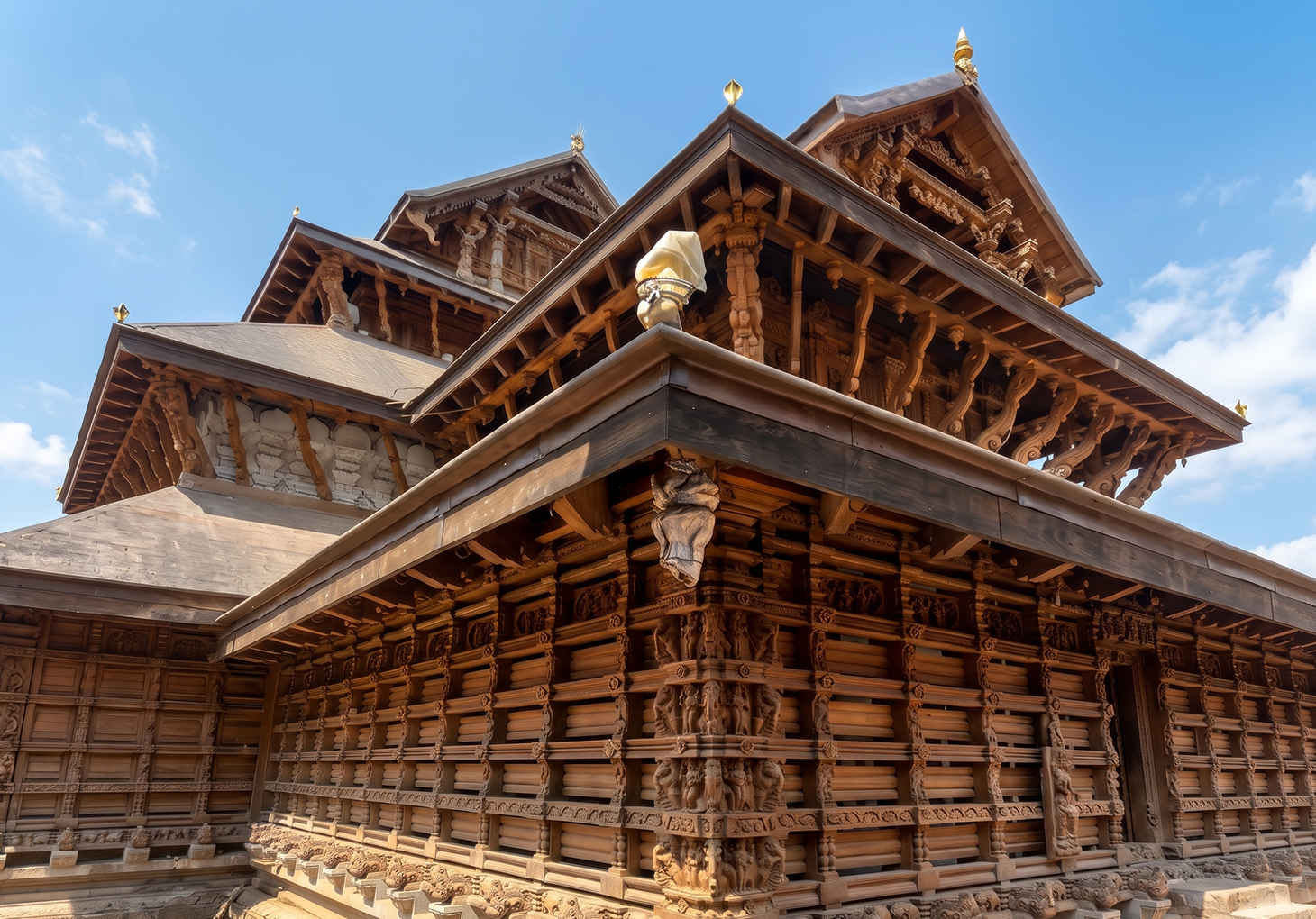
Traditional buildings often depend on materials that work naturally with their structure. At Highness Park in Thuckalay, participants can explore the use of lime mortar in heritage conservation, including how it is prepared, mixed, applied, and understood within traditional construction. The sessions offer practical insight into historic building methods, restoration, material behaviour, and preservation, making them relevant for students, architects, researchers, professionals, and heritage enthusiasts interested in traditional conservation practices.

Distance
IN TWO WHEELER

IN CAR
Lime mortar has played an important role in traditional and heritage buildings, particularly where older masonry requires materials that can respond naturally to movement and moisture. Understanding its characteristics helps participants appreciate why lime-based construction continues to be relevant in the repair, conservation, and restoration of historic structures.
At Highness Park, learners can explore how lime mortar interacts with brick, stone, timber, and traditional wall systems, while also understanding the importance of material compatibility, breathability, flexibility, and careful application. This knowledge helps build a stronger foundation for recognising appropriate methods when working with heritage architecture and traditional construction techniques.
Lime Mortar Conservation – Highness Park Padmanabhapuram
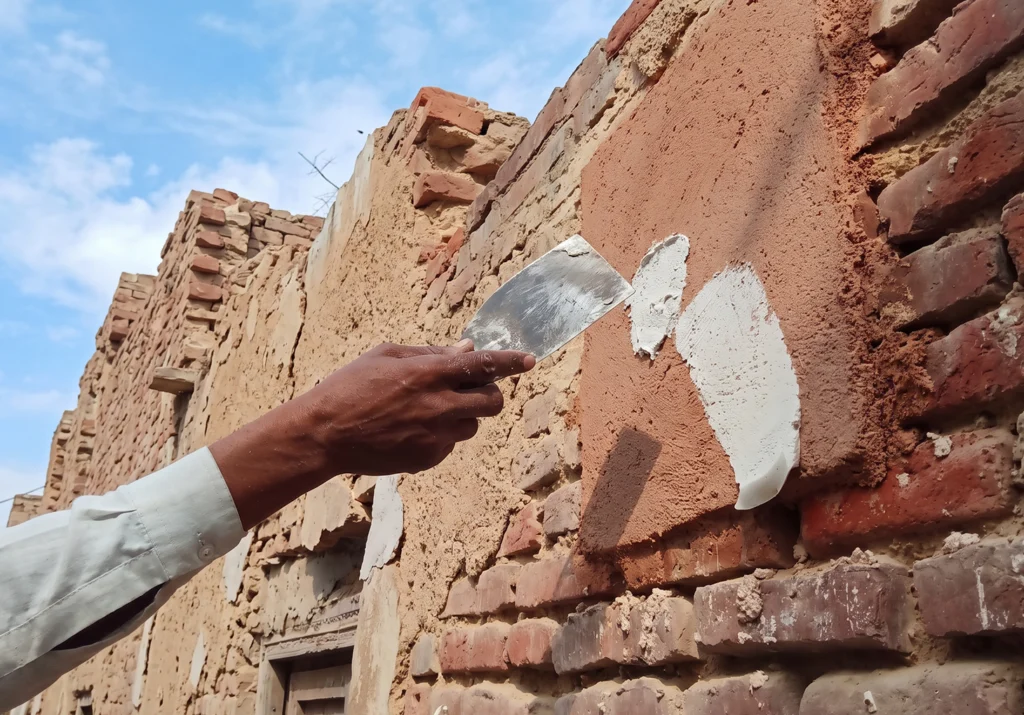
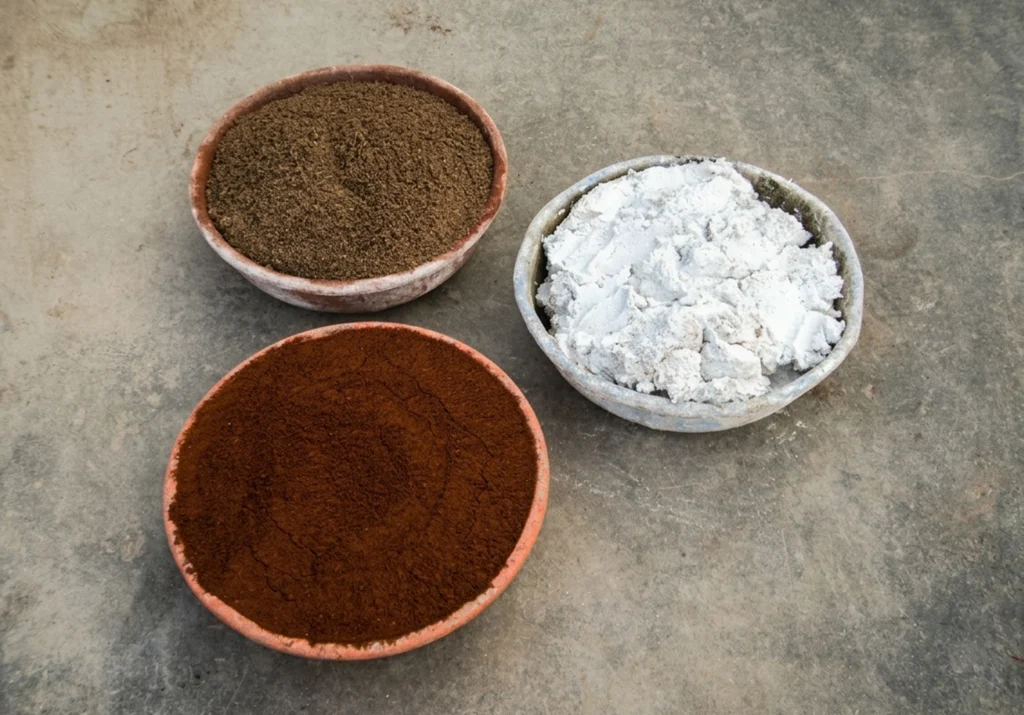
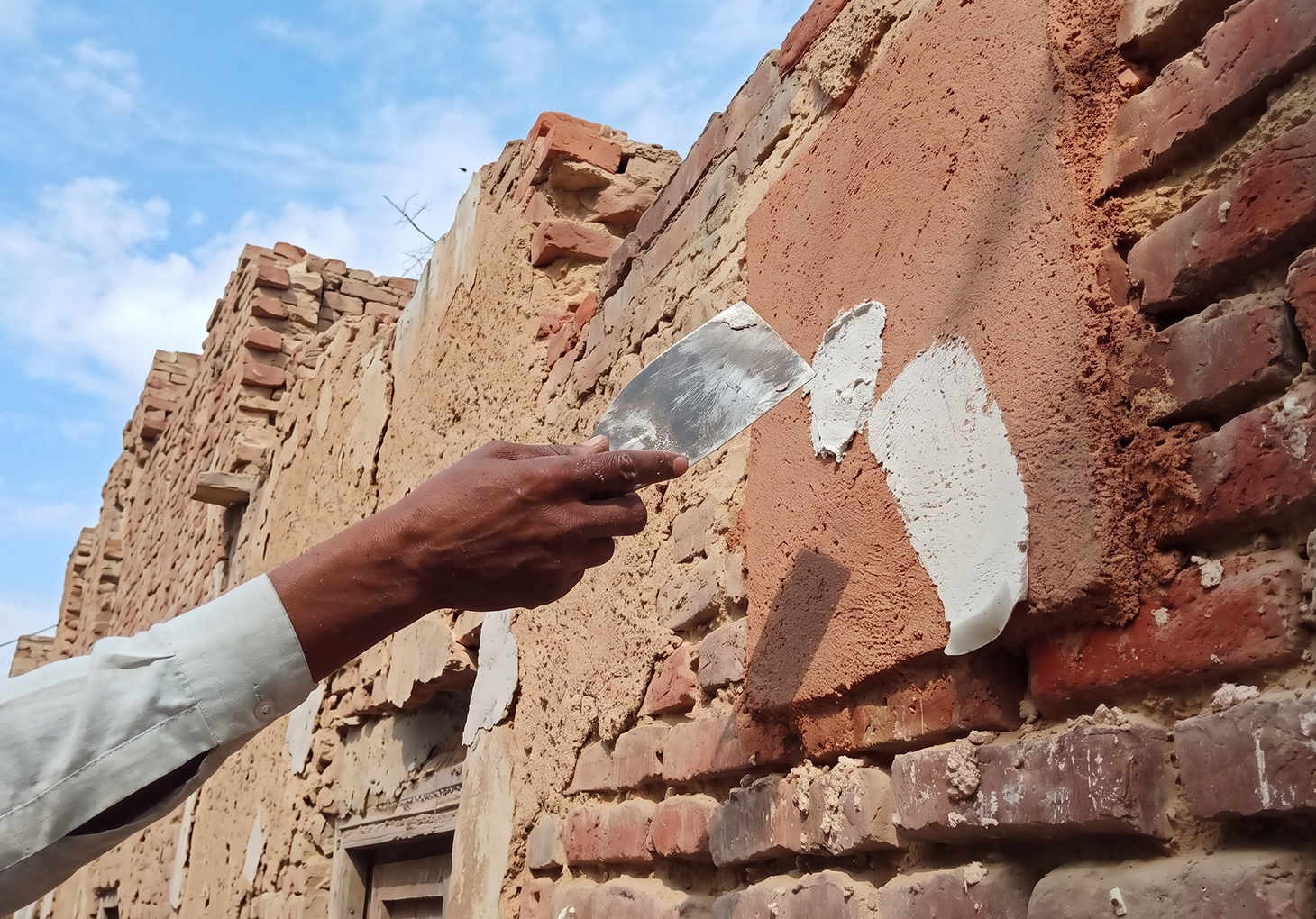
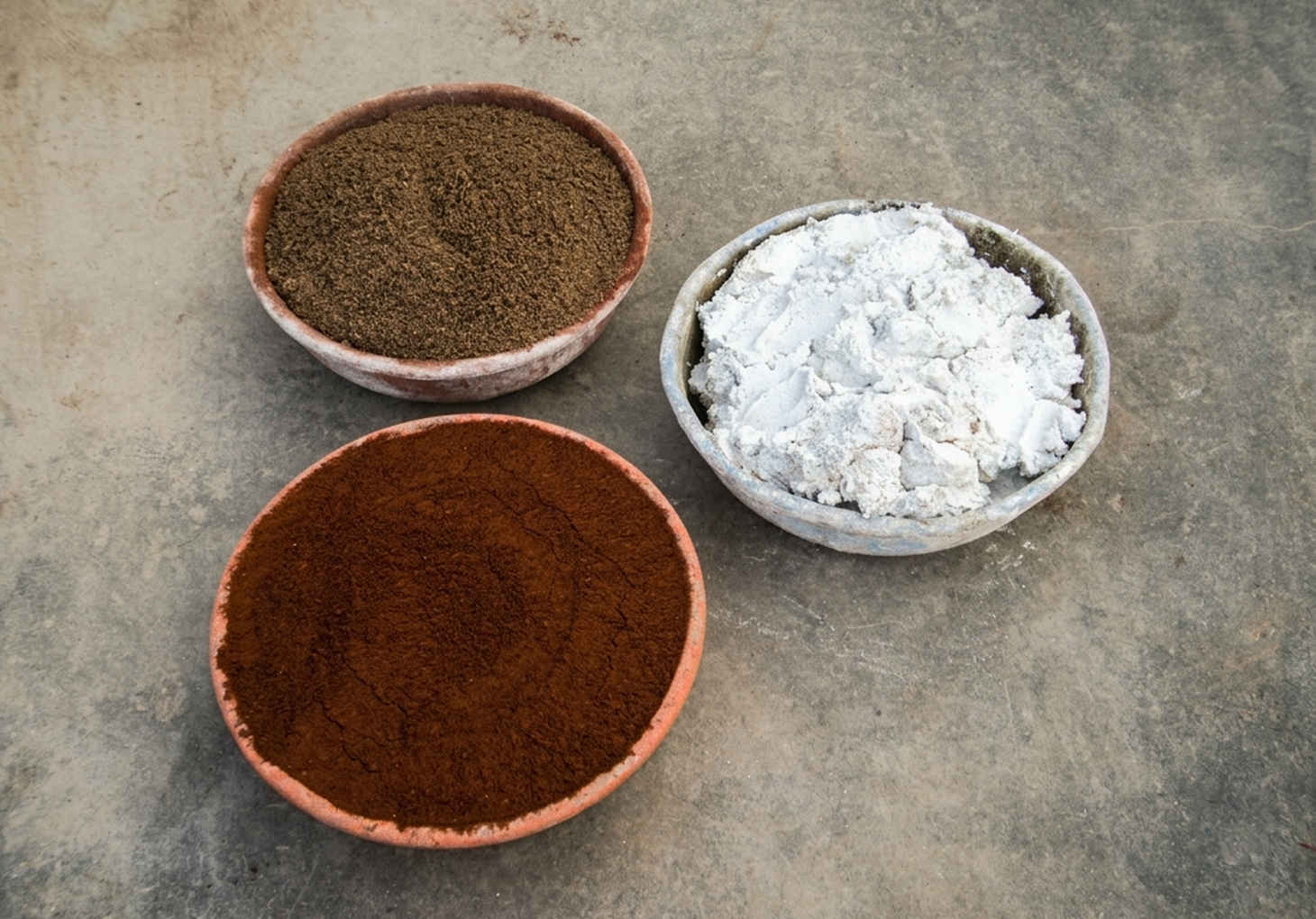
Participants at Highness Park can learn how lime mortar is prepared, mixed, tested, and applied using methods associated with traditional construction and heritage conservation. The process introduces the role of lime, aggregates, water, proportions, consistency, curing, and surface preparation, helping learners understand how each stage influences performance. Through guided practical exposure, participants can observe how lime mortar is used for masonry joints, plastering, repairs, and restoration work, while developing a clearer understanding of material compatibility, application techniques, and careful workmanship in historic buildings.
Lime mortar continues to play an important role in the conservation and restoration of heritage buildings, especially where older masonry requires materials that remain compatible with the original construction. Its use can support traditional brickwork, stone masonry, plaster surfaces, joints, and historic wall systems without introducing unnecessarily rigid modern materials.
At Highness Park, participants can explore how lime mortar is selected and applied during conservation work, with attention to material compatibility, breathability, moisture movement, curing, and surface behaviour. Understanding these factors helps learners appreciate why traditional restoration methods require careful assessment, appropriate materials, and workmanship that respects the original character and construction of heritage structures.
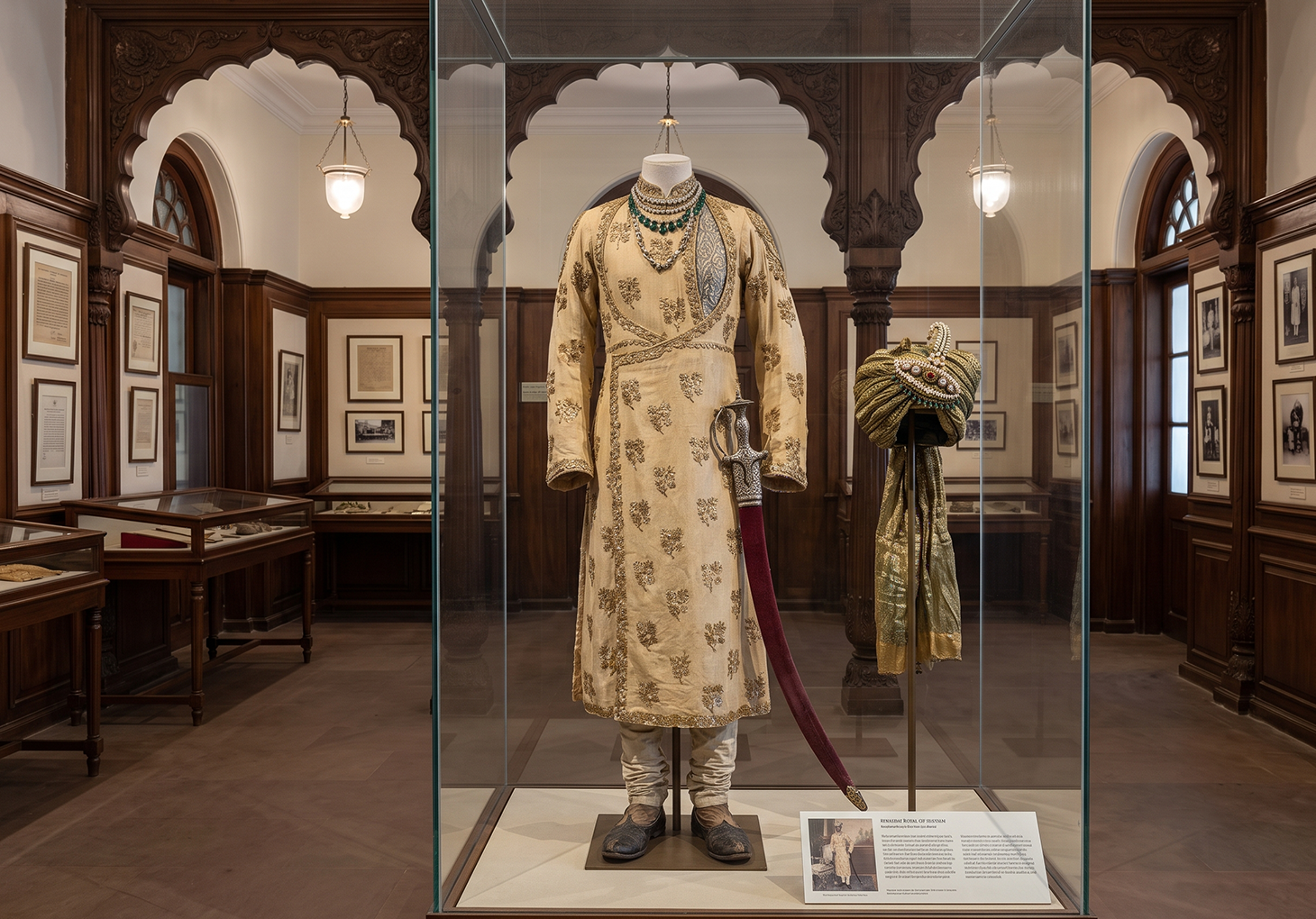
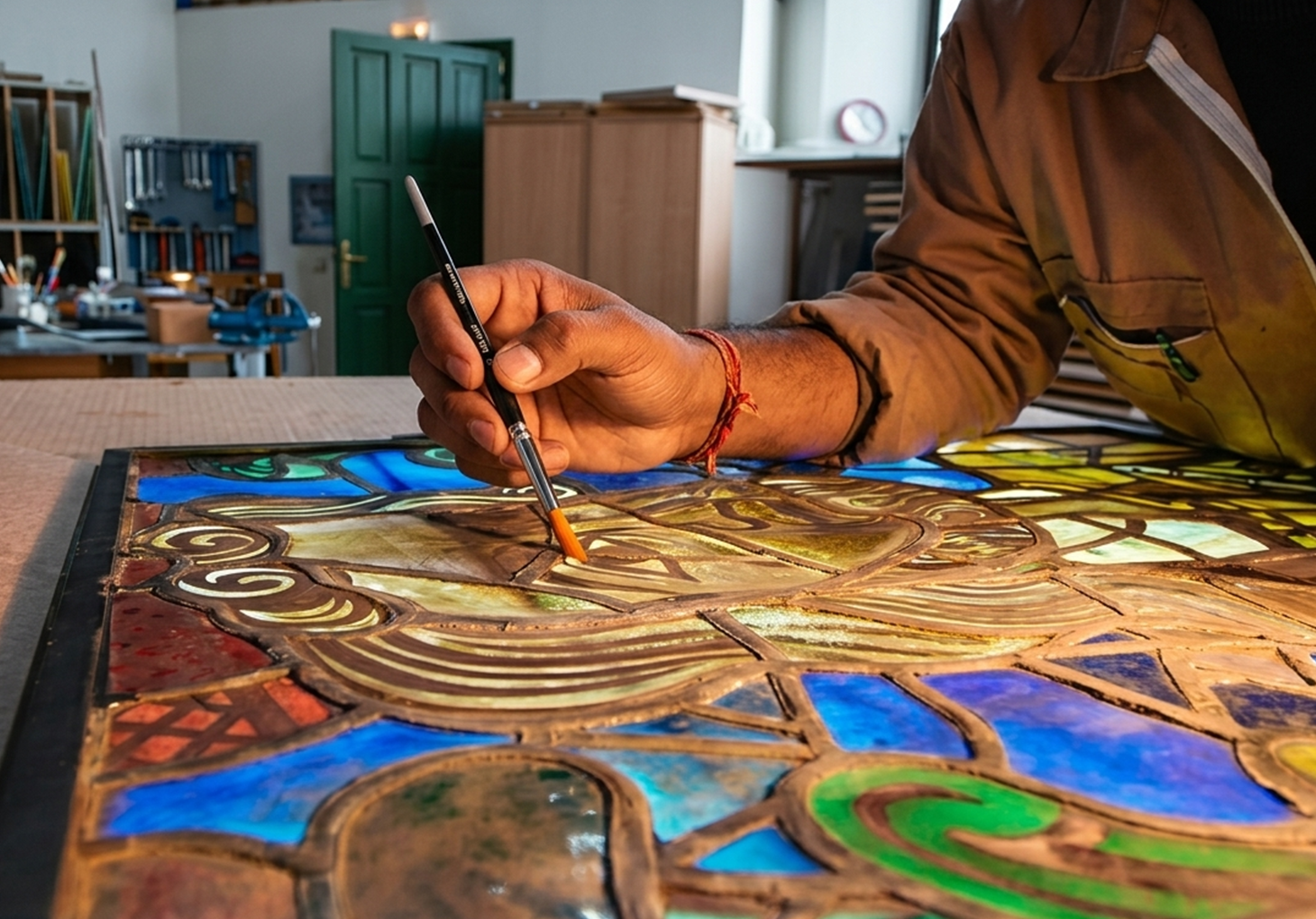

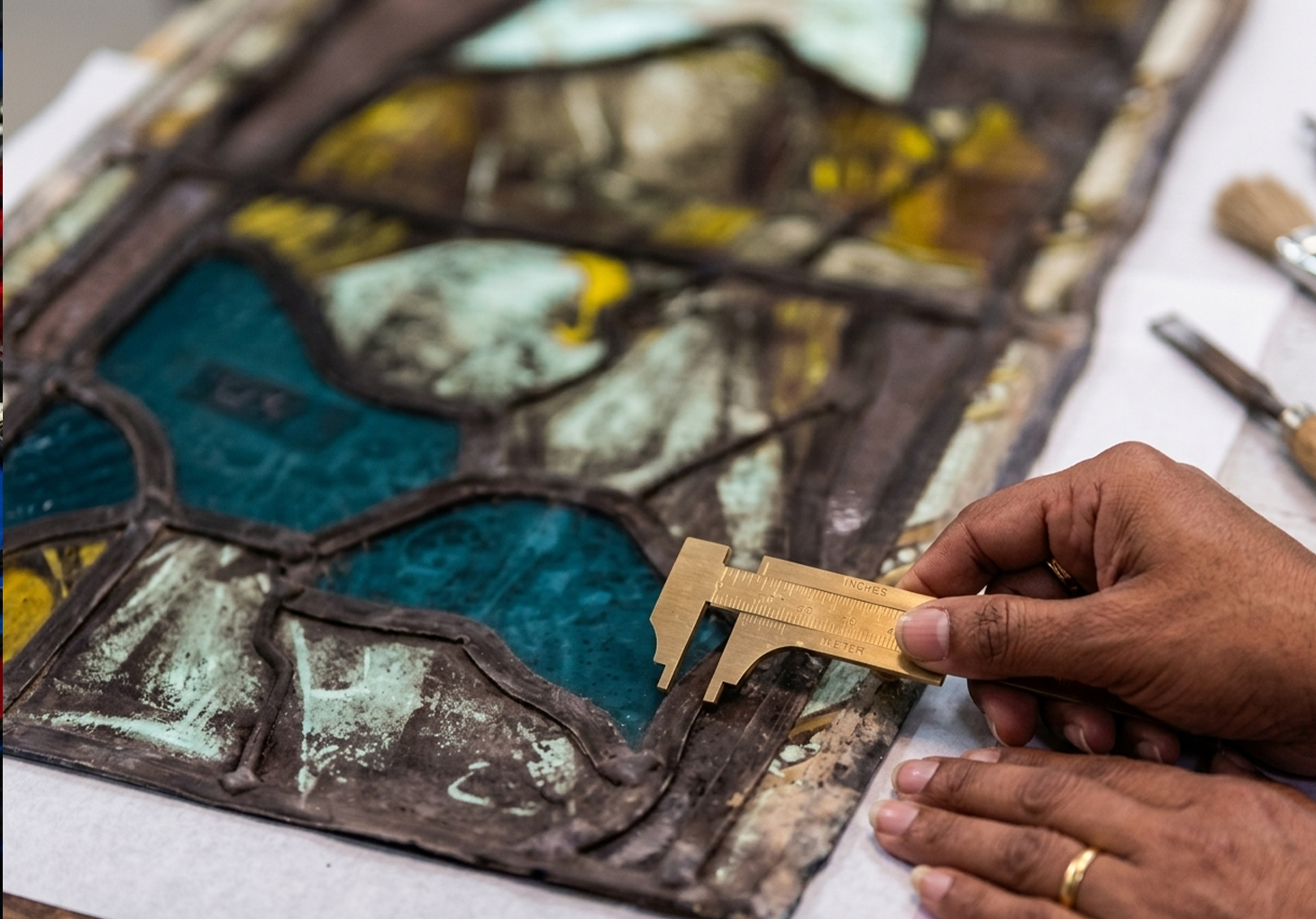

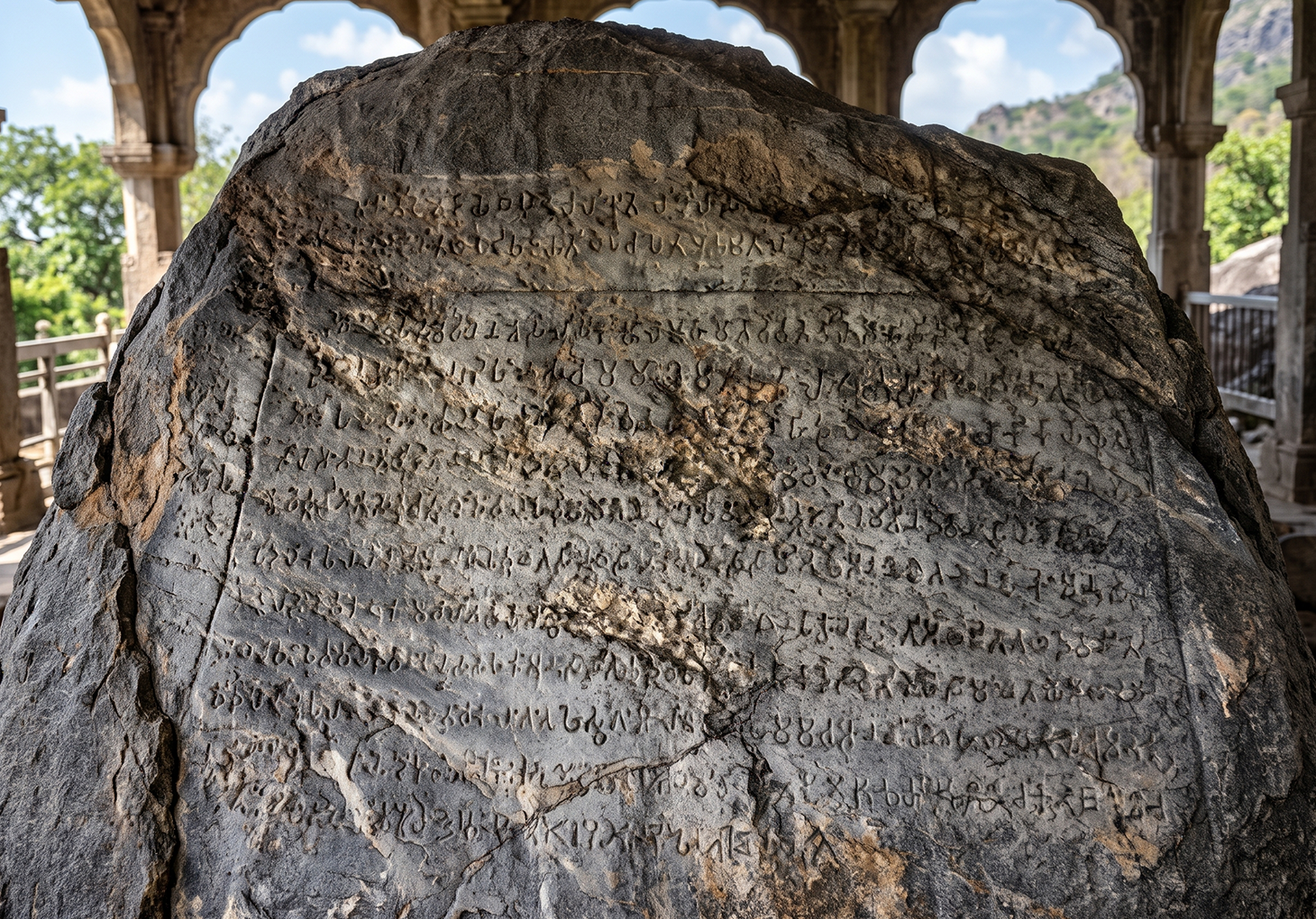
Architect Workshop – Highness Park Padmanabhapuram
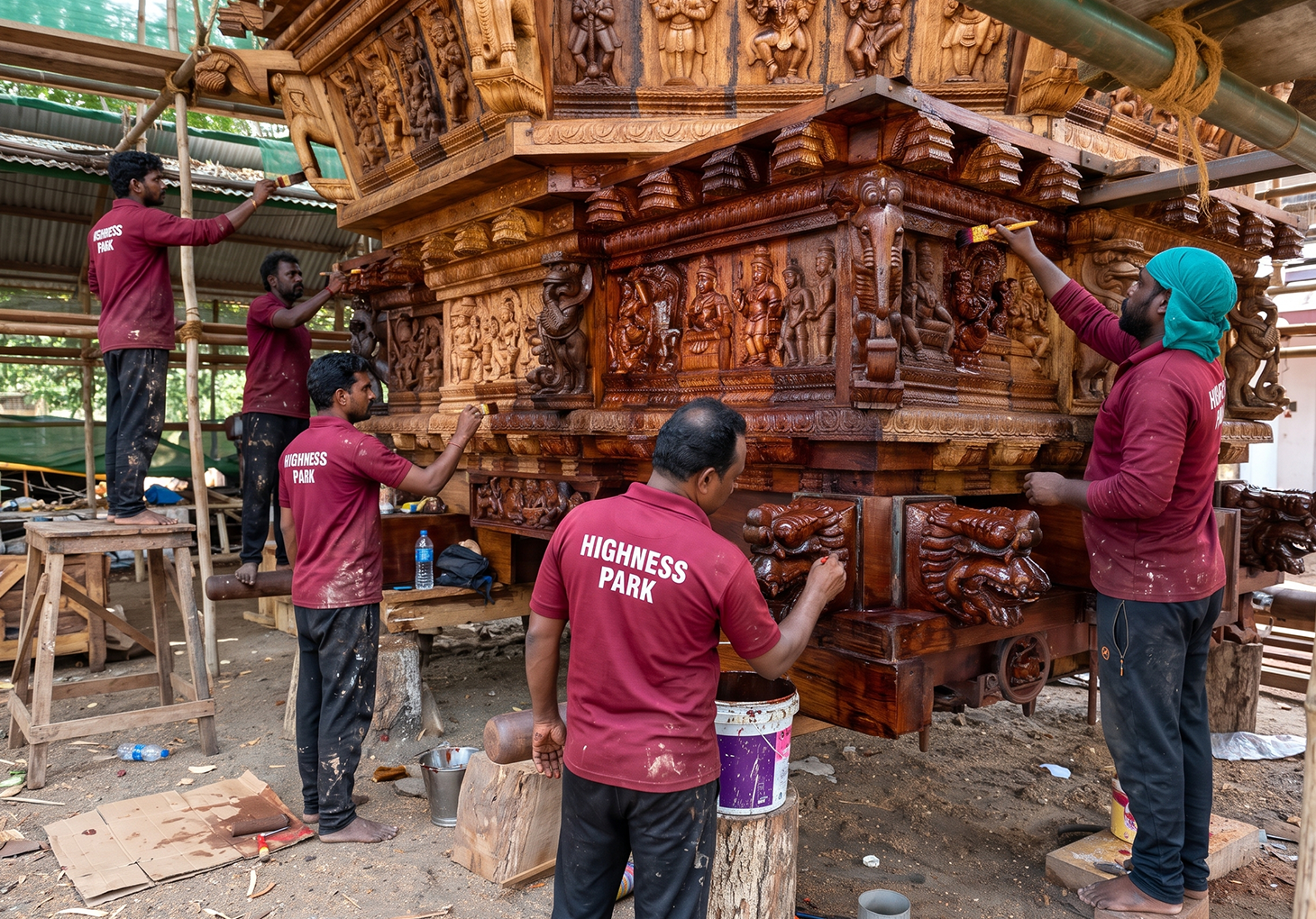
A hands-on understanding of lime mortar can help participants see traditional construction in a completely different way. At Highness Park, the learning experience brings together material knowledge, preparation techniques, application methods, curing, repair, and heritage conservation practices, allowing participants to connect theory with the realities of working with historic buildings and traditional masonry.
Whether you are a student, architect, researcher, conservation professional, heritage enthusiast, or curious learner, the sessions offer an opportunity to observe, practise, and ask questions in a guided environment. By understanding how lime mortar supports compatible and respectful restoration, participants leave with a deeper appreciation of the craftsmanship, patience, and material intelligence behind the conservation of heritage structures.

Make every stay, celebration, and event more memorable at Highness Park Hotel; your welcoming destination for comfort, convenience, and meaningful experiences.